How to Plan for the Next Full Moon: Date, Moonrise & Viewing Tips
Plan your next full Moon observation using the exact phase time, local moonrise, altitude, direction and practical viewing tips.
A full Moon is easy to recognize, but planning a good viewing session requires more than knowing the calendar date. The exact full-Moon moment can occur at any hour, and the Moon’s local rise time, altitude and direction depend on where you are. A practical plan combines the astronomical phase time with local sky information, weather and a clear observing location.
Start with the exact full-moon time, then translate it into a useful observing window for your location. Moonrise, altitude and local horizon can matter more than the calendar date alone. The Moon tracker provides that local geometry, while NASA’s lunar material explains the phase itself.
Start with the exact next full Moon time
Use the Next Full Moon page to see the calculated upcoming date, local time and countdown. The “full Moon” is technically an instant when the Sun and Moon are on opposite sides of Earth in the relevant phase geometry. The Moon will still look very full for much of the night around that instant, so you do not need to observe at the exact minute to enjoy it.
Check whether the full Moon is tonight
If you are planning for the current evening, open Full Moon Tonight. That page is designed to answer the immediate question without forcing you to translate a future event table. If the exact full phase occurs after midnight, remember that calendar dates and local time zones can make “tonight” different for observers in different parts of the world.
Moonrise is often more useful than the phase time
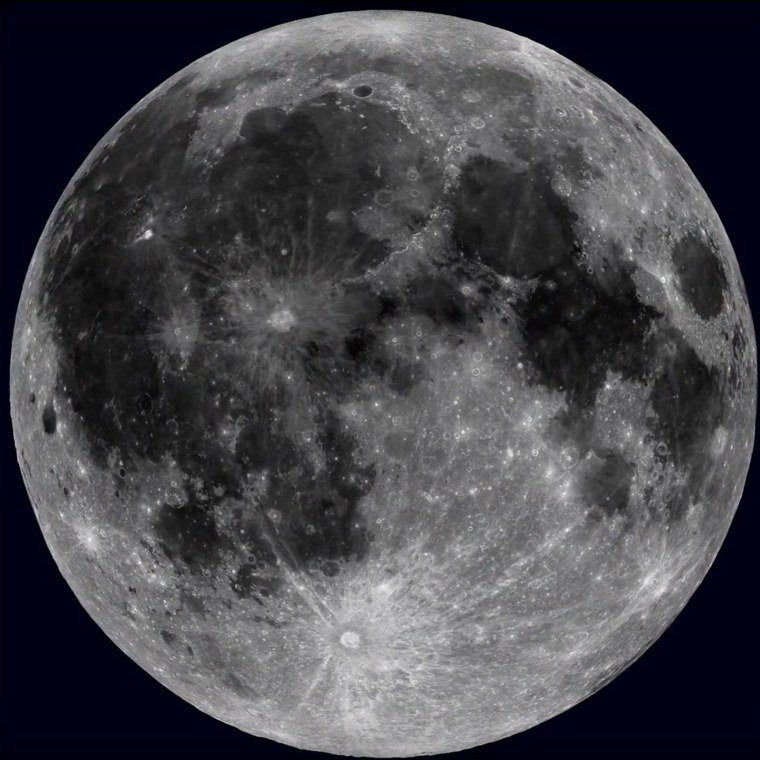
NASA notes that a full Moon generally rises around sunset and sets around sunrise, but exact local times vary. For photography or casual observing, the Moonrise & Moonset Time page may be the most useful next step. A Moon low on the horizon can appear especially striking beside buildings, hills or trees, while a higher Moon is usually easier to observe above haze and obstructions.
Use altitude and azimuth to choose a viewing place
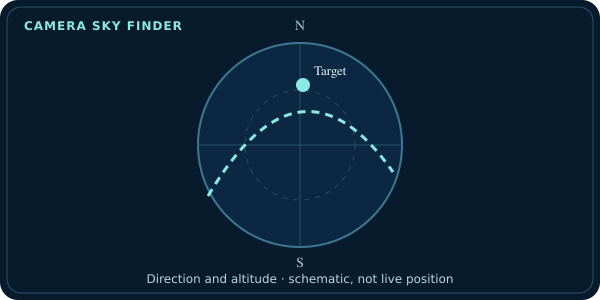
Open the Moon Live Tracker shortly before you go outside. Altitude tells you how high the Moon is above the horizon, and azimuth tells you which compass direction to face. If the Moon is low, choose a site with an unobstructed horizon in that direction. If it will be high, a backyard or rooftop with a broad sky view may be sufficient.
Do you need a dark-sky site?
Not for the full Moon itself. A full Moon is bright enough to see easily from cities, and its own brightness can wash out faint stars. Darker surroundings are still useful if you want a cleaner landscape, fewer streetlights in photographs or a more comfortable observing experience. For detailed lunar viewing, stable air and a clear line of sight matter more than escaping every city light.
Photography tips for a full Moon
Phone cameras often make the Moon look like a small white disk because automatic exposure is optimized for the darker scene. Use a stable support, reduce exposure if your camera allows it, and avoid extreme digital zoom. If you want the Moon beside a landmark, arrive early and use the tracker’s azimuth to understand where it will rise.
A simple full-Moon checklist
- Confirm the next full Moon date and time.
- Check whether it is full tonight.
- Find local moonrise and moonset.
- Use the live tracker for altitude and direction.
- Check local cloud conditions before traveling.
The phase instant and your best evening are different
Full Moon is a particular astronomical instant, while a useful observing session occupies a period of local time. That instant can occur during your daytime or while the Moon is below your horizon. The evening before or after may still offer a nearly full appearance. Start with the exact phase time, but choose the session using local moonrise, altitude and weather.
This is why a calendar date alone is incomplete. Two readers in different time zones can label the same full-Moon instant with different dates. A travel plan or shared observing invitation should include the relevant time zone. For a photograph, a near-full Moon at the right position above a landscape can be more useful than insisting on the exact instant when the geometry is officially full.
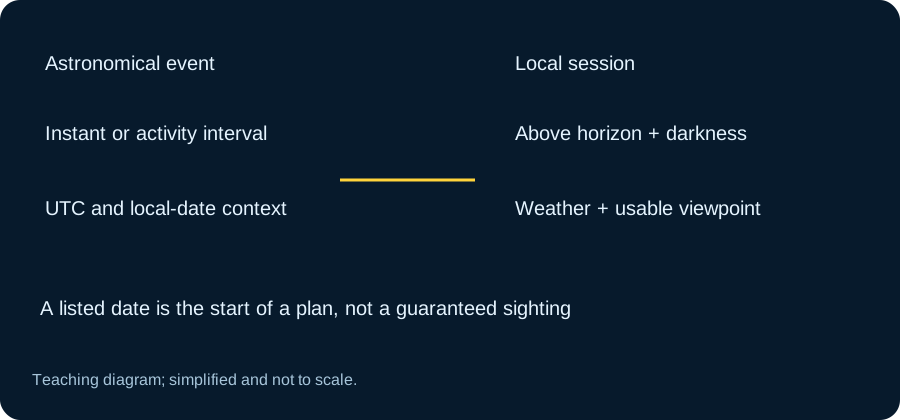
The calendar date of a full moon is only the starting point for planning. Moonrise time, altitude, local horizon, weather and the kind of photograph or observation you want will determine the most useful viewing window.
Scout the horizon before the Moon rises
A moonrise composition depends on a clear line of sight in the predicted direction. Visit the location beforehand if possible and look for buildings, hills and trees. The calculated rise time refers to a defined astronomical horizon, not to the roofline you can see from your chosen spot. A local obstruction can delay the moment when the disk becomes visible.
Leave time to move to a better viewpoint without rushing. Note a landmark in the expected direction, then check the prediction again near the session. The Moon's path changes with date, so last month's successful position may not line up with the same foreground. A few careful preparation steps are more effective than repeatedly enlarging a map and assuming its illustrated horizon matches the landscape.
Match the camera plan to the light
The Moon is much brighter than the surrounding night sky. A setting that reveals a dark foreground may overexpose the lunar disk, while a setting that preserves surface detail can leave the landscape dark. There is no universal phone setting that solves every scene. Experiment with exposure and keep a stable support if you want a sharper result.
Try a lower Moon during twilight when the foreground still has some light. This can make the brightness difference more manageable, although haze near the horizon may affect clarity. Avoid confusing zoom and cropping with changes in the Moon's physical size. For an honest record, preserve the image's context and describe substantial edits when sharing it. The planning tools help with geometry; the camera still needs choices appropriate to the actual scene.
Let the observing goal choose the phase
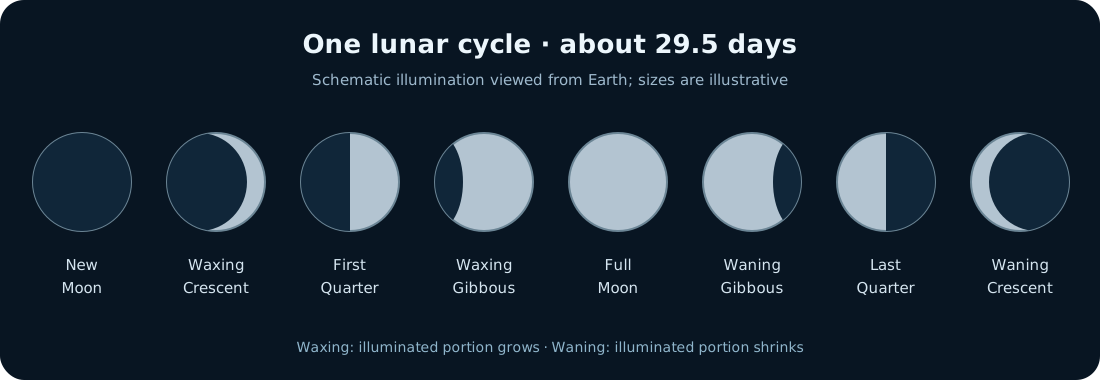
If your aim is a bright lunar landscape or an easily recognised disk, the full-Moon period is attractive. If you want strong crater shadows, another phase may be better. If you want faint stars or the Milky Way, the bright Moon can be a disadvantage. The right date depends on the experience you want rather than on treating full Moon as the best night for all astronomy.
Before leaving, check the local weather, Moon direction and your chosen site's opening or access conditions. Revisit the live tracker when you arrive. If cloud prevents the session, a nearby evening may still offer a useful near-full view. This flexible approach keeps the calendar's precise astronomical event separate from the practical observing opportunity and avoids turning a changing sky into a promise that one particular night will be perfect.
Frequently asked questions
Is the Moon full for the whole night?
The exact full phase is a moment, but visually the Moon can look essentially full for many hours around it.
Why is the full Moon date sometimes different between countries?
The astronomical event is the same worldwide, but local time zones can place that instant on different calendar dates.