About ISRO Launches
Tracking upcoming ISRO launches
This page filters the worldwide schedule for Indian Space Research Organisation references and common Indian mission context. Depending on the current manifest, upcoming entries can include PSLV, GSLV, LVM3 or other launch systems represented in the source database. The page is data-driven, so it only shows missions that are actually present in the current upcoming feed.
Indian launch campaigns attract viewers well beyond India, which makes timezone handling important. The source timestamp is converted in the browser to the timezone configured on the visitor’s device. A user in India will normally see IST automatically, while a visitor abroad sees the same launch instant translated to local time.
Why an ISRO launch target can move
Launch dates can change because of spacecraft integration, vehicle checks, range scheduling, weather or mission-specific requirements. Some missions are announced well in advance with only a broad target period and receive a precise time later. The page keeps the source status and current target visible instead of turning an approximate planning date into an artificial promise.
Every fifteen minutes, when needed, SpaceTracker.live refreshes its shared launch cache. Passed launch windows are removed from the upcoming cards and newly scheduled missions are added when the upstream feed contains them. An open page also reloads periodically, so you do not need a daily manual edit just to keep the ISRO schedule current.
Images, pads and launch vehicles
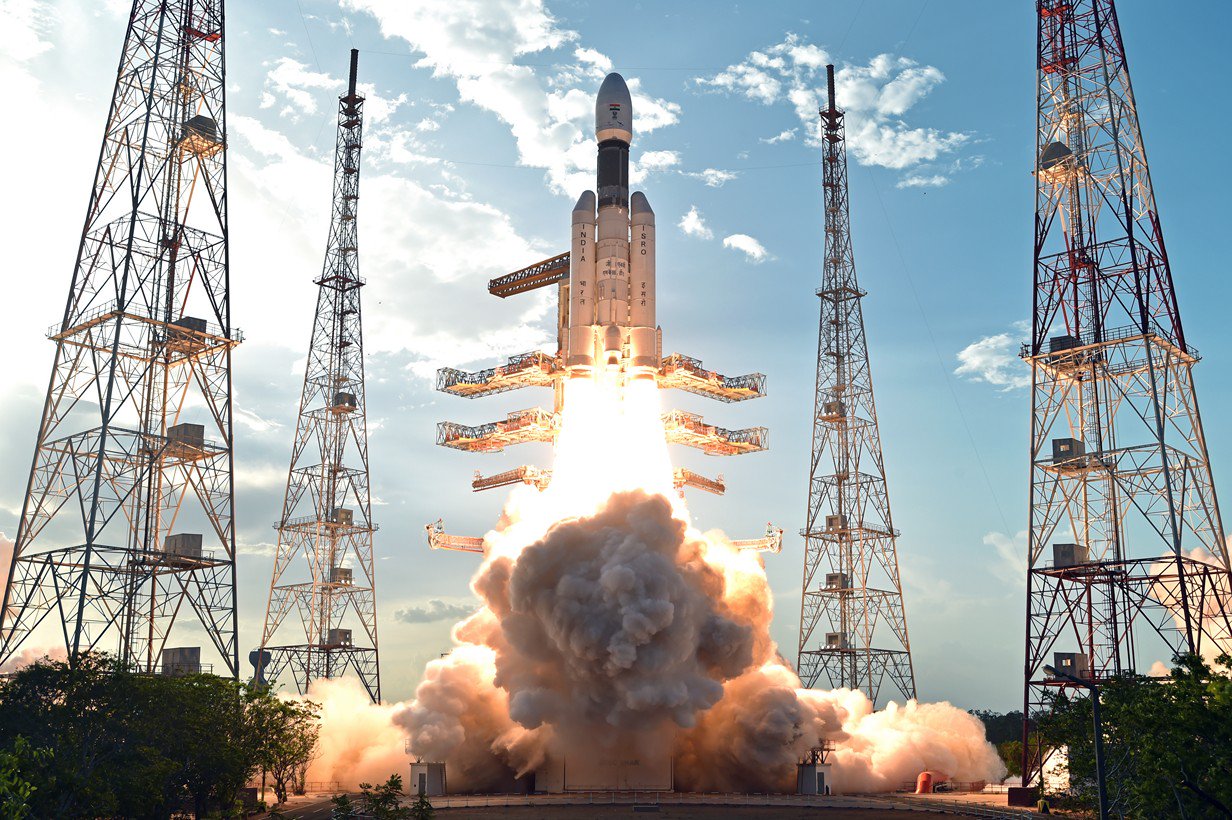
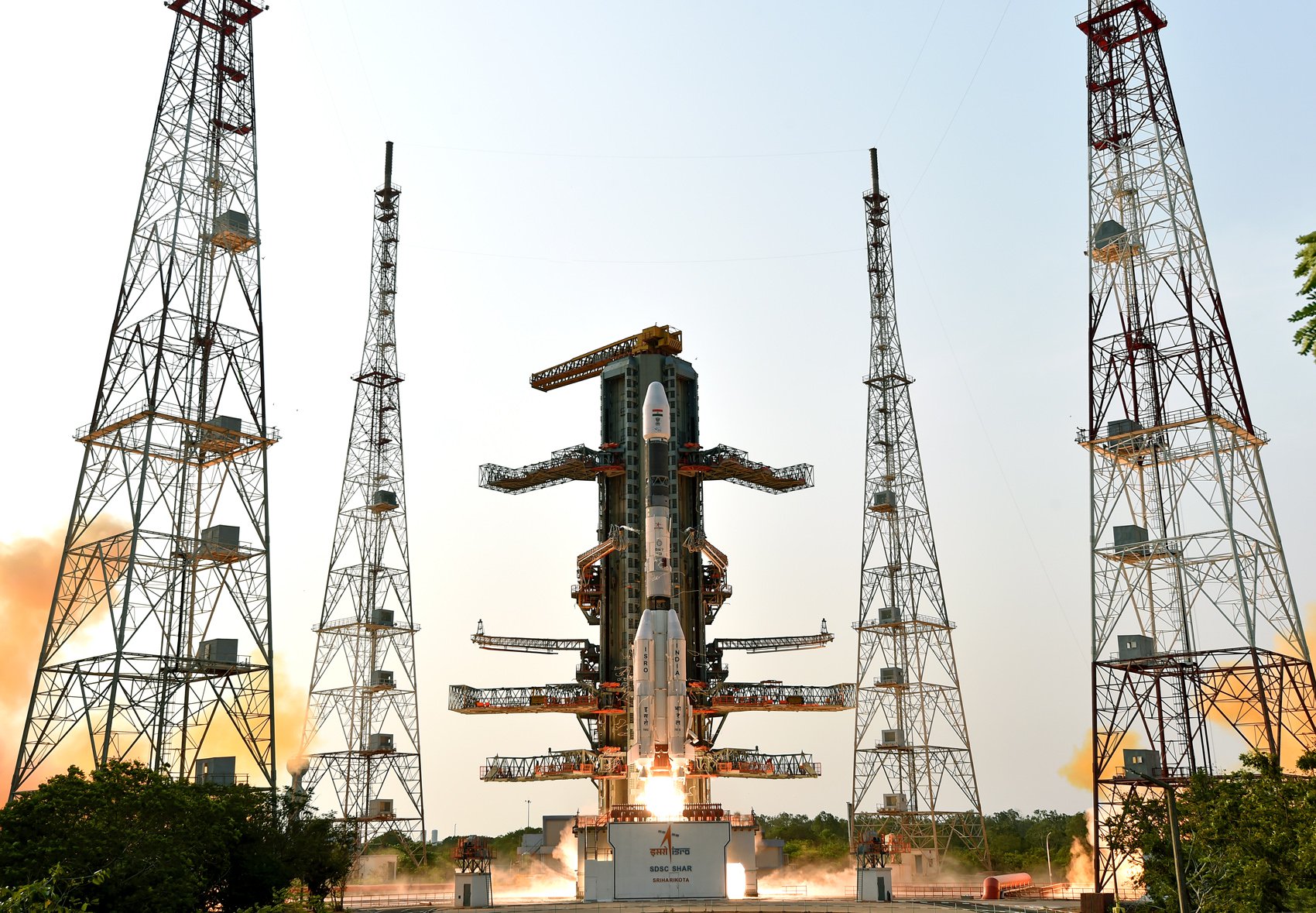
Each ISRO card attempts to use the mission’s own launch image. When that is unavailable, the page can use imagery associated with the launch pad, location or provider. This is preferable to unrelated stock imagery because the visual remains connected to the actual launch programme or facility.
Rocket and launch site are displayed separately. That matters for understanding the role of vehicles such as PSLV, GSLV and LVM3 and the pads from which they operate. The Rocket Launch Sites page provides a broader view of active spaceports represented in the global schedule.
After an Indian satellite reaches orbit
Once deployment is complete, the Rocket Launches section has done its main job. Newly catalogued Earth-orbiting payloads can later appear in Recently Launched Satellites and the wider Satellite Directory. If a mission travels beyond Earth orbit, it may belong in the Deep Space section once reliable tracking data is available.
The ISRO page is therefore designed as a launch-planning and countdown tool. It stays focused on current targets rather than mixing pre-launch schedule information with long-term spacecraft tracking.
Planning around Indian launch times and date changes
For Indian visitors, a local IST display removes the need to convert from UTC, but the launch-site date should still be read together with the mission status. A target late at night can move past midnight after even a modest delay. Visitors outside India may see a different calendar date entirely because their device timezone is used for display.
The page also avoids assuming that every Indian space mission is an orbital satellite launch with the same operational pattern. Different launch vehicles and missions have different preparation and trajectory requirements. The schedule presents the fields available in the live record and leaves unsupported technical claims out, which is safer than filling missing data with generic assumptions.
Data freshness and schedule transparency
The refresh label near the schedule shows whether the shared copy is fresh, newly refreshed, temporarily stale or currently being refreshed. That status is useful when a mission is close to liftoff because it tells you whether SpaceTracker.live is displaying a recent cached response or relying on the last valid copy after a temporary upstream problem. The site does not erase the schedule just because one remote request fails; keeping the last known valid data is usually more useful than showing a blank page, while the next successful refresh restores the normal fresh state.
For satellite objects that have already reached orbit, use Recently Launched Satellites. For wider orbital tracking, open the Satellite Directory or the Deep Space section.
Frequently asked questions
Which Indian launches appear here?
The filter looks for ISRO and Indian Space Research Organisation references in the upcoming launch record.
Will PSLV, GSLV and LVM3 missions appear?
They can appear when those missions are present in the upstream upcoming-launch feed.
Why can ISRO launch dates change?
Mission readiness, spacecraft integration, weather and range scheduling can all alter a target date.
Launch schedule and associated imagery: Launch Library 2, The Space Devs. SpaceTracker.live uses a shared server-side cache and retains image credits when provided by the source record.

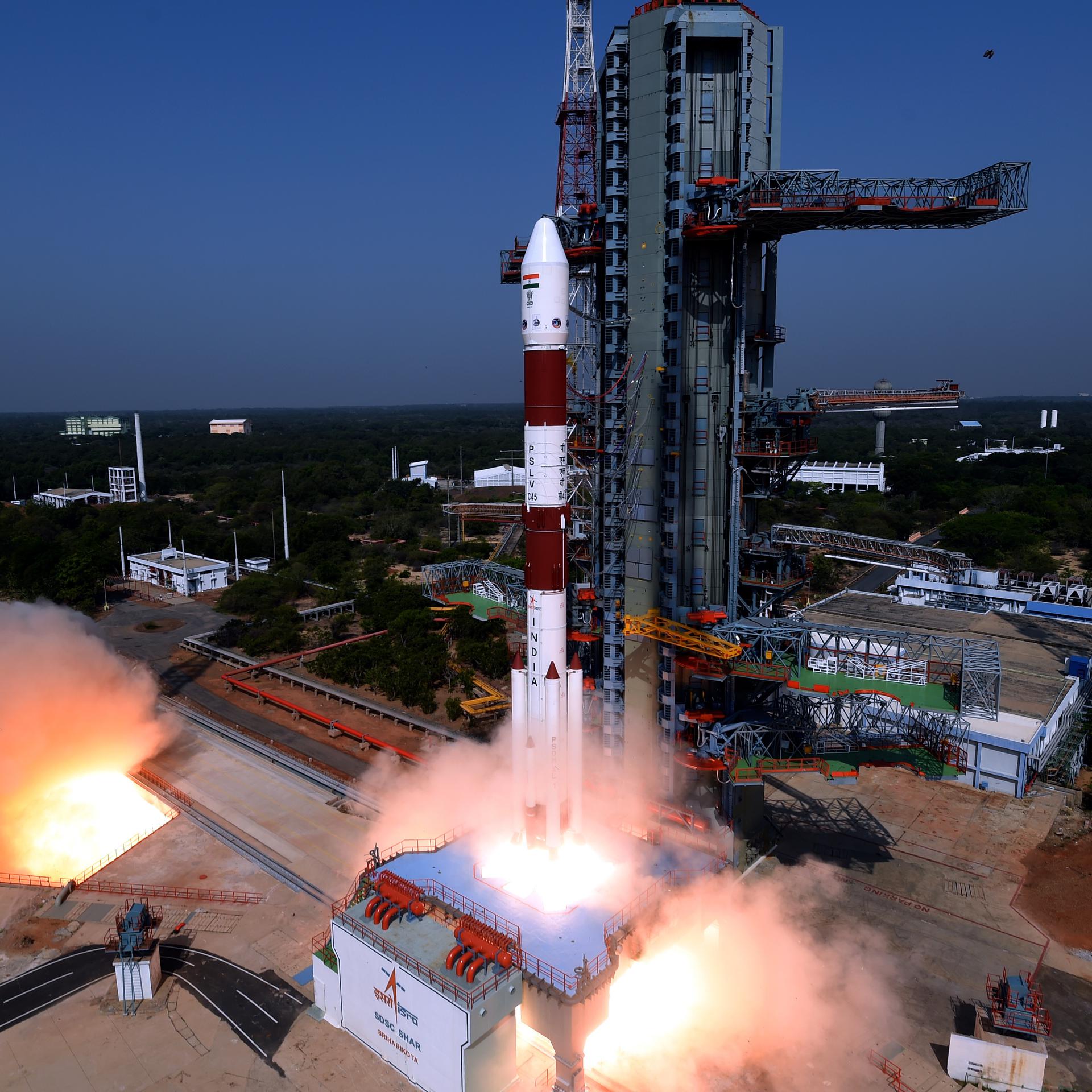 Image: Indian Space Research Organisation