About Rocket Launches Today
What “today” means on a global launch website
A worldwide launch can occur on two different calendar dates depending on where the viewer lives. SpaceTracker.live therefore does not define Today only by UTC. After the page loads, your browser compares launch timestamps with the current date in the timezone configured on your device. This makes the result more intuitive for visitors in India, Europe, the Americas, Australia and other regions.
If your device timezone is incorrect, the Today filter can also be incorrect. Travellers should check the phone or computer timezone after crossing borders. The full Rocket Launch Schedule remains available if you want to see the same events without the local-date filter.
Why a launch can vanish from today’s list
A mission that appeared this morning can disappear later if its target is moved to another day or if the active window passes. This is expected behaviour. The server refreshes the global feed every fifteen minutes when needed, and the browser page also reloads periodically. When an upstream operator changes the target, the next refresh reflects that change.
Conversely, a mission can enter Today after a schedule adjustment. If a launch planned for tomorrow is advanced, or a previously uncertain mission receives a confirmed time that falls on your local date, the refreshed page can add it automatically. The list is therefore dynamic rather than a static article written once per day.
Using images and status to understand the mission
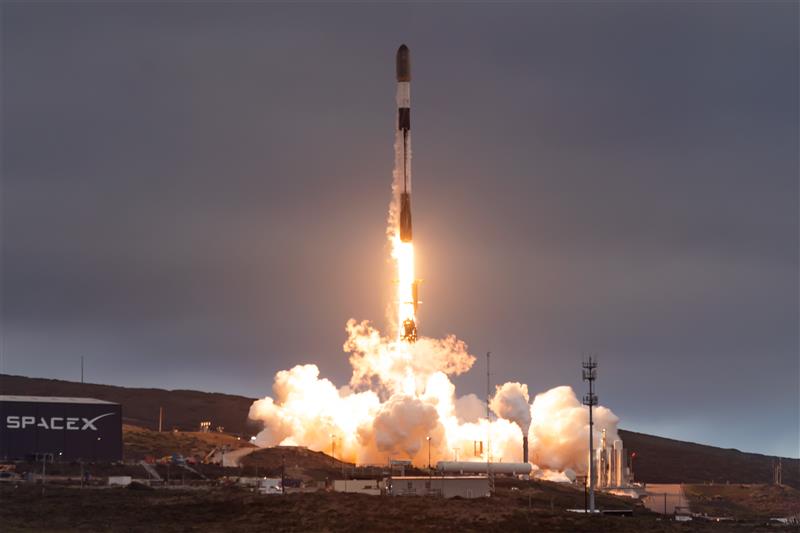
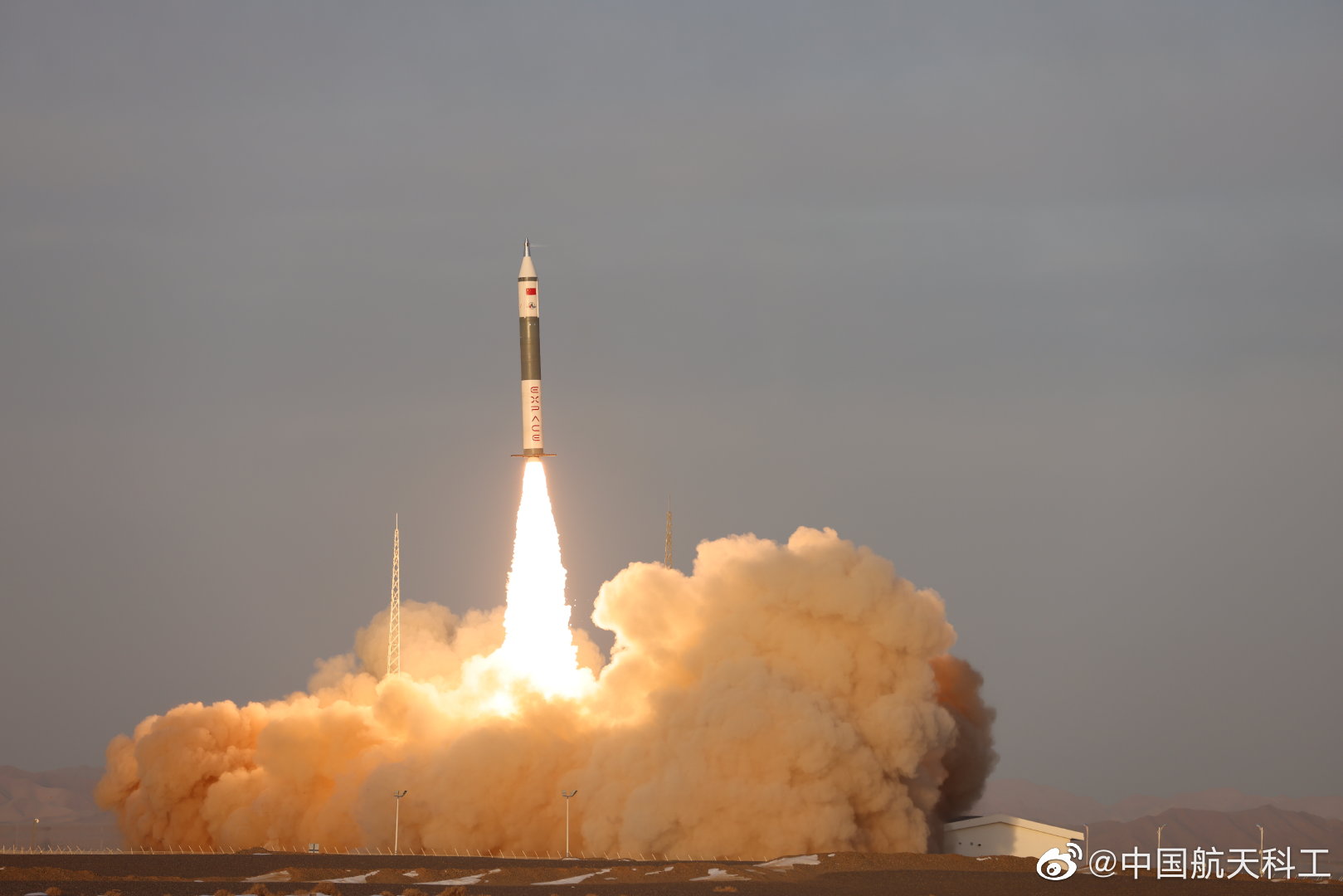
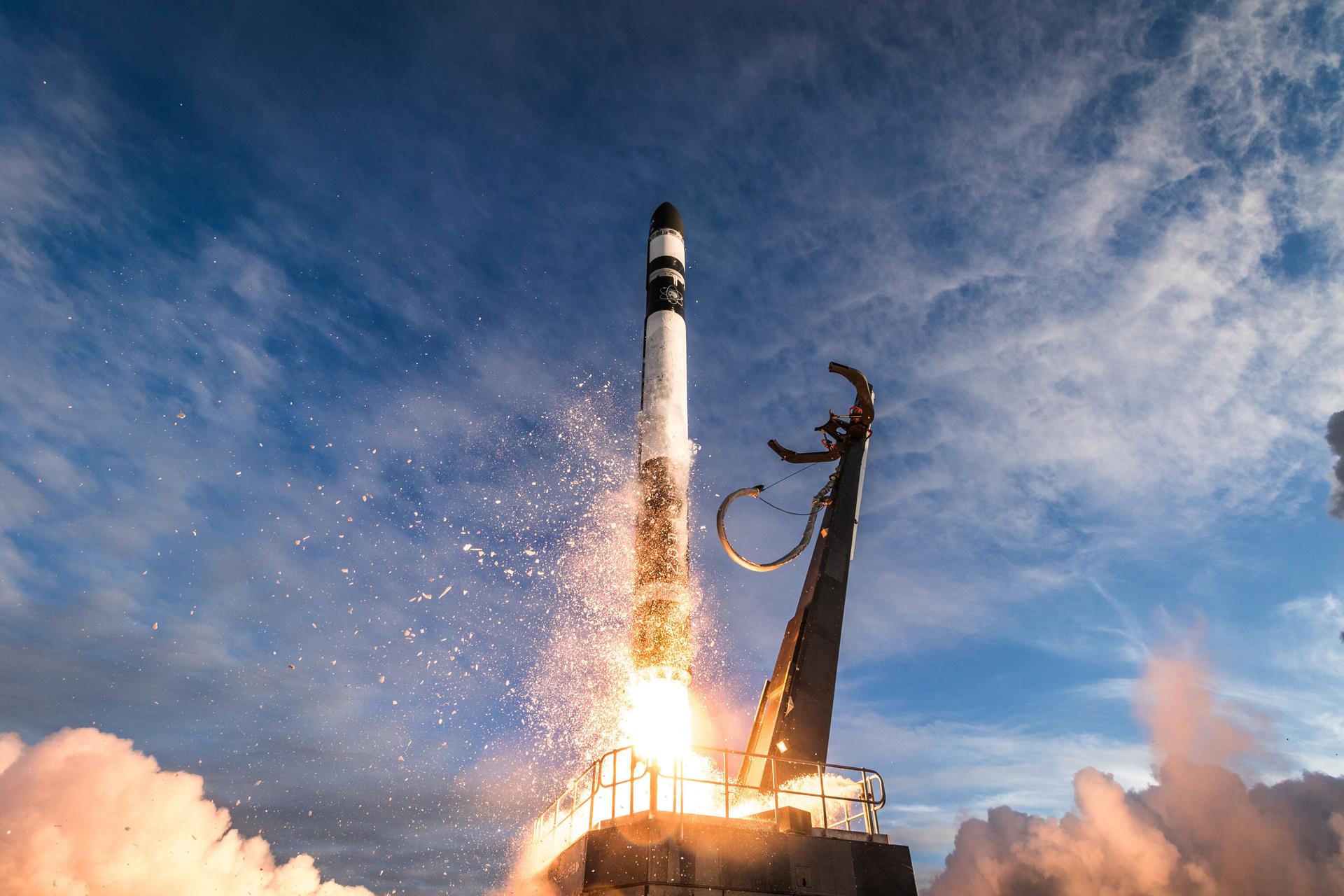
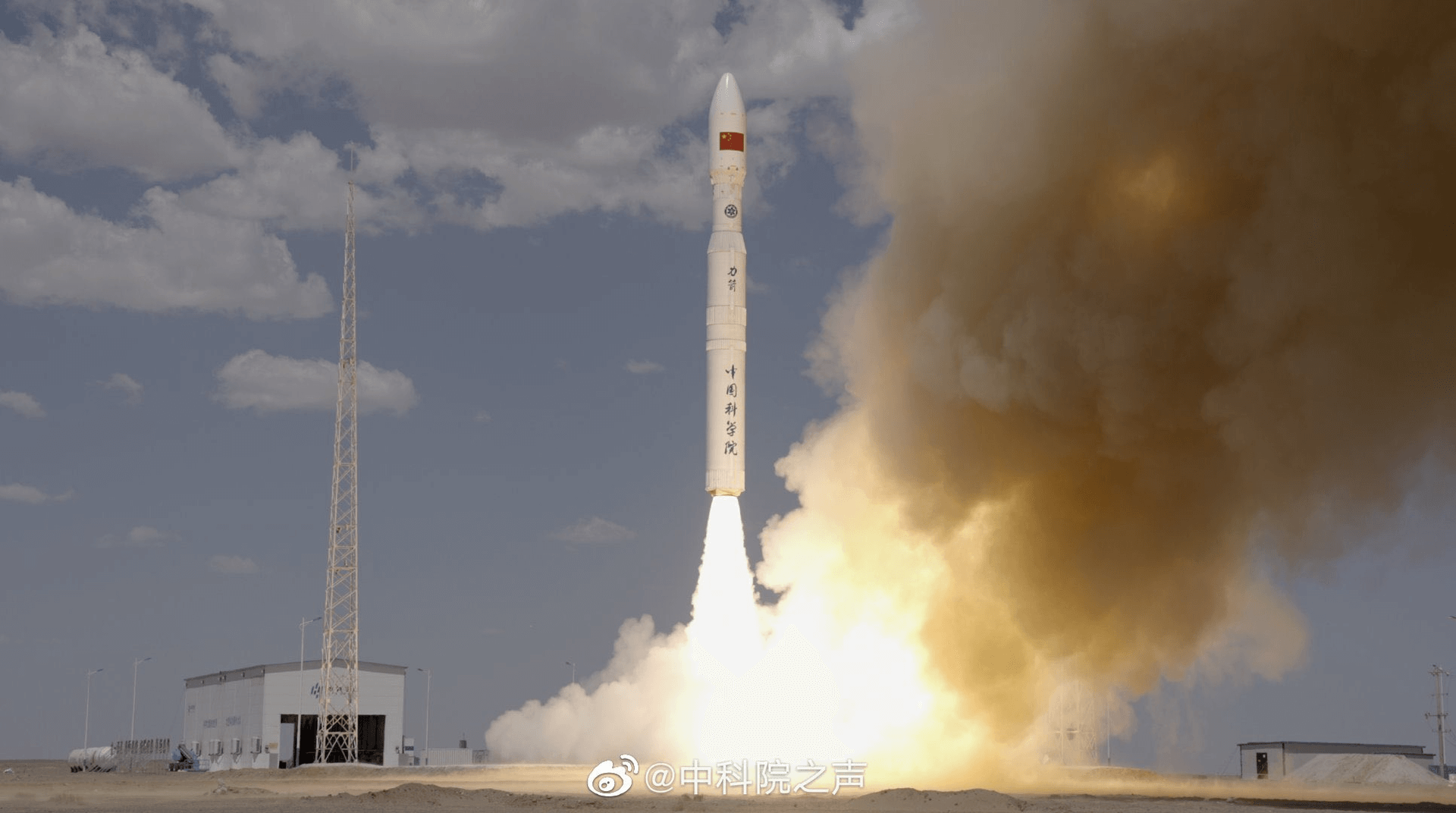
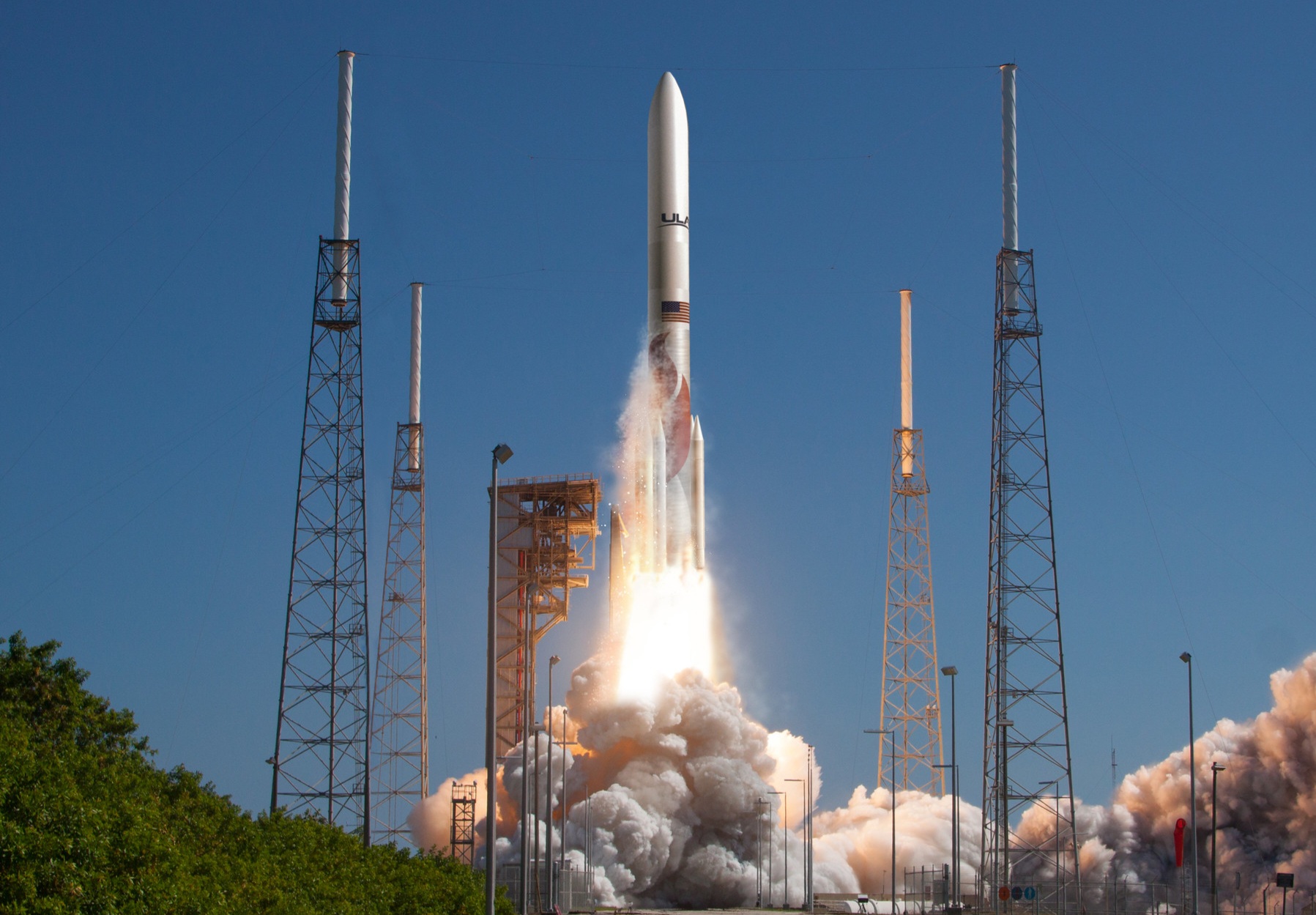
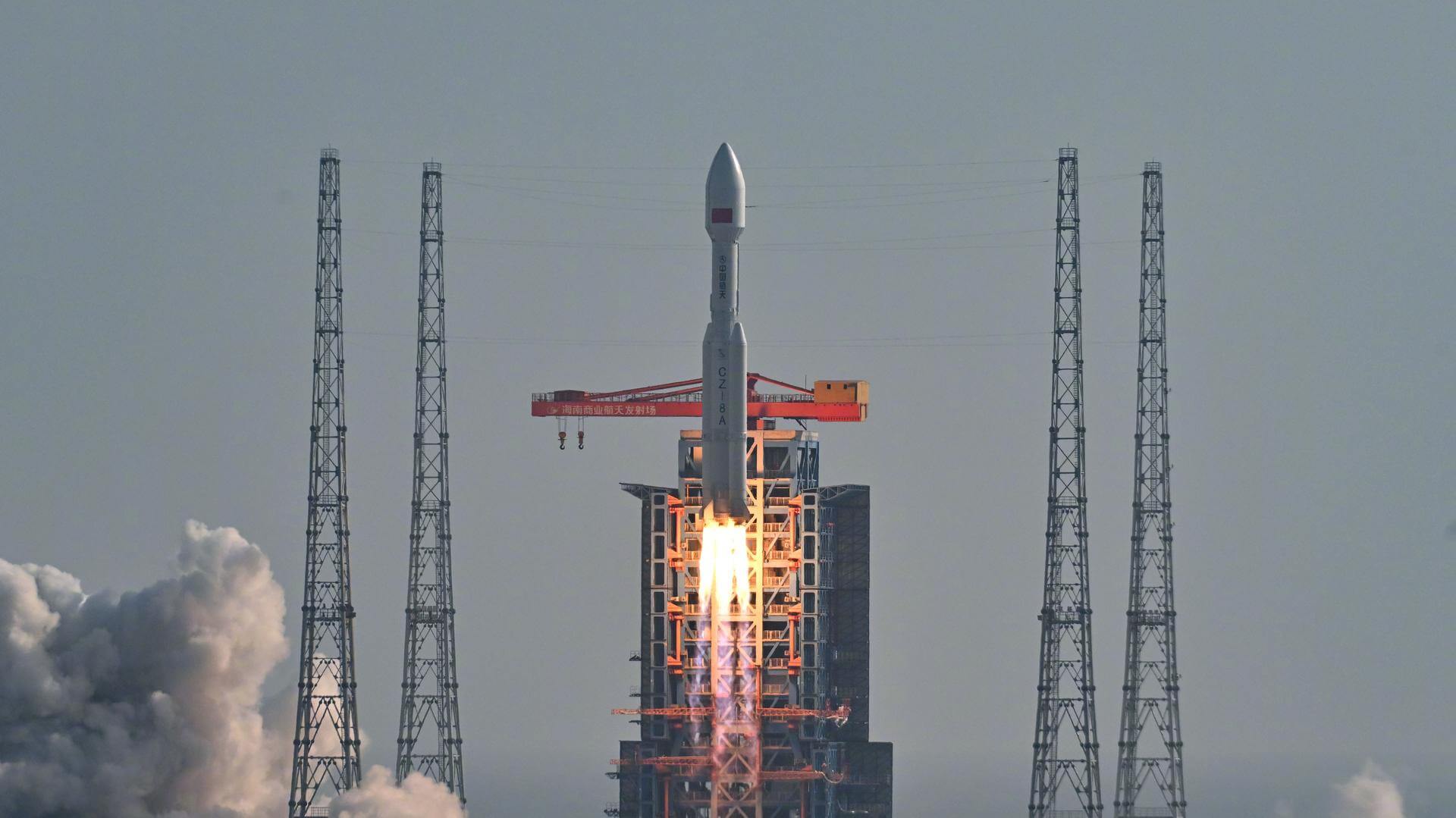
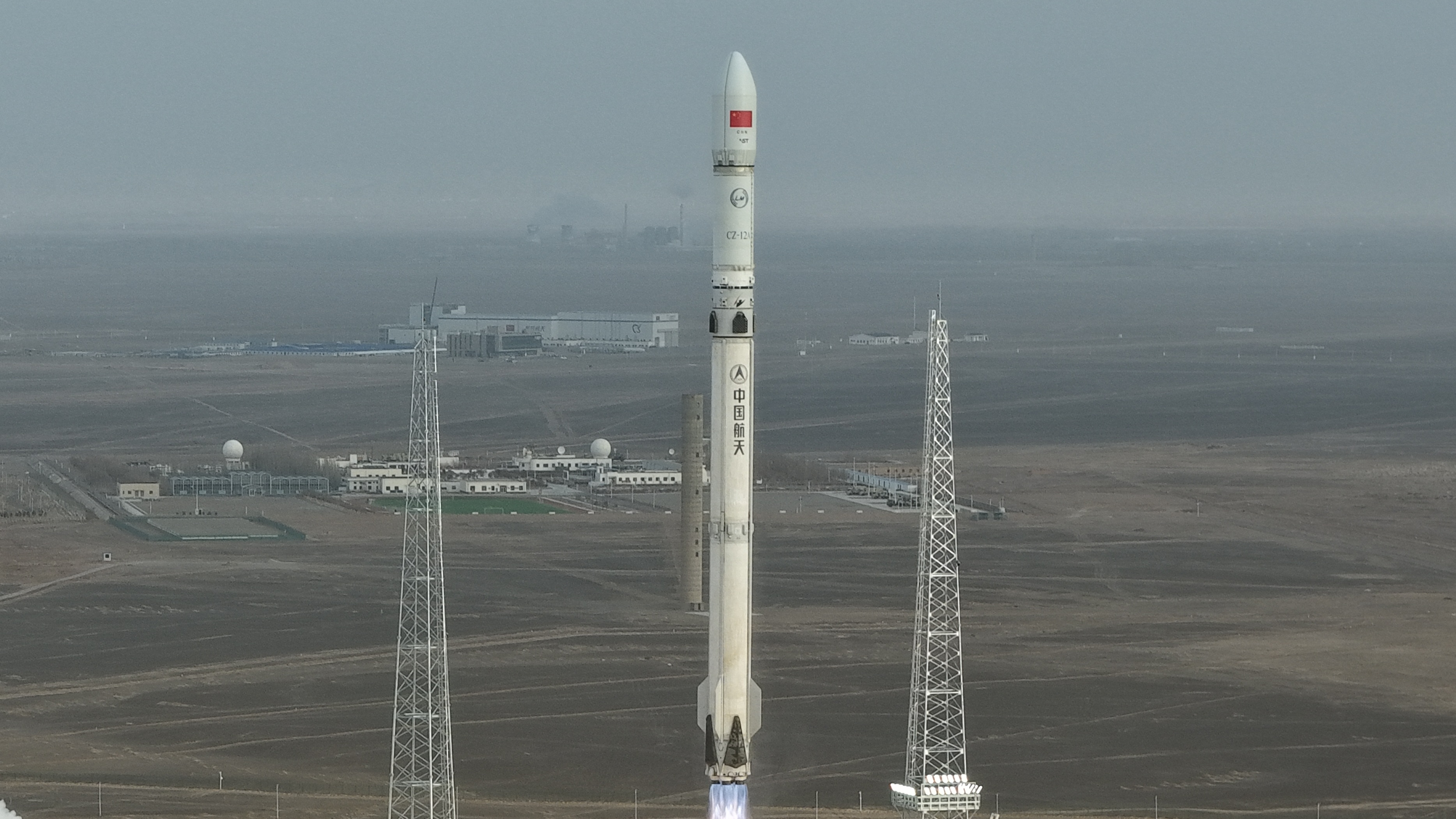
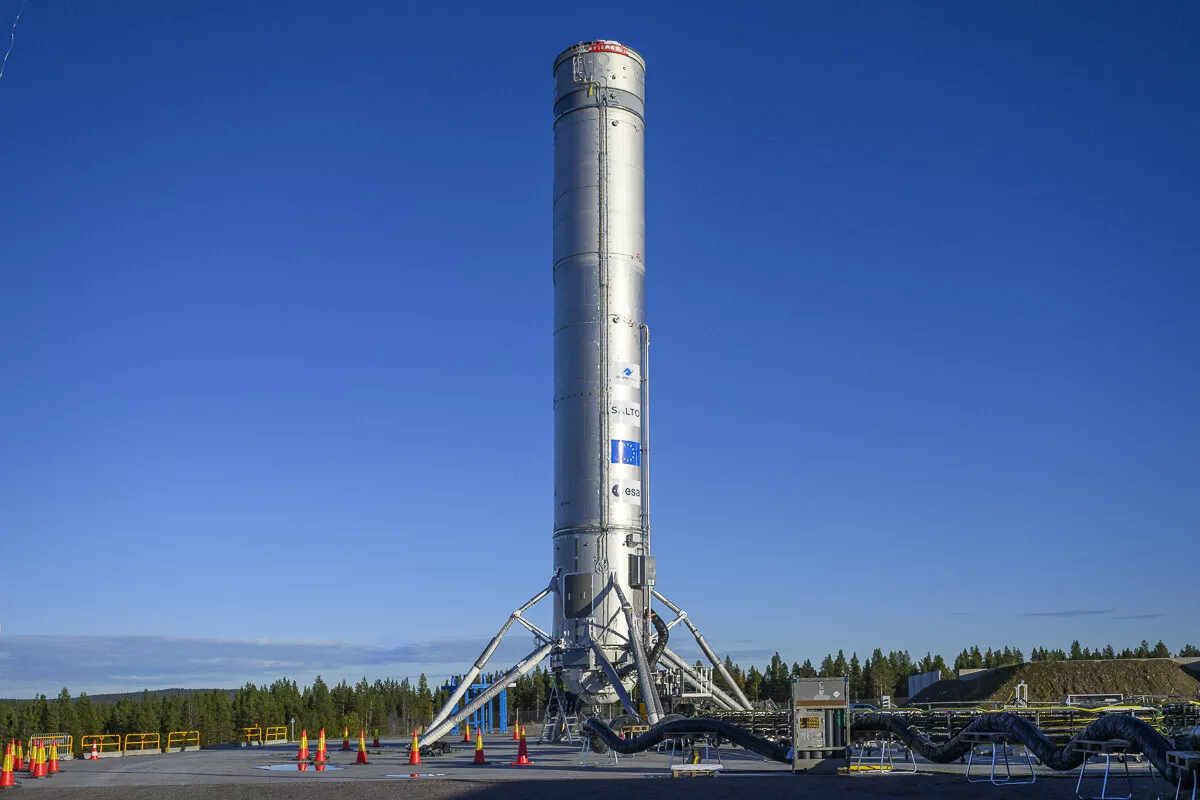
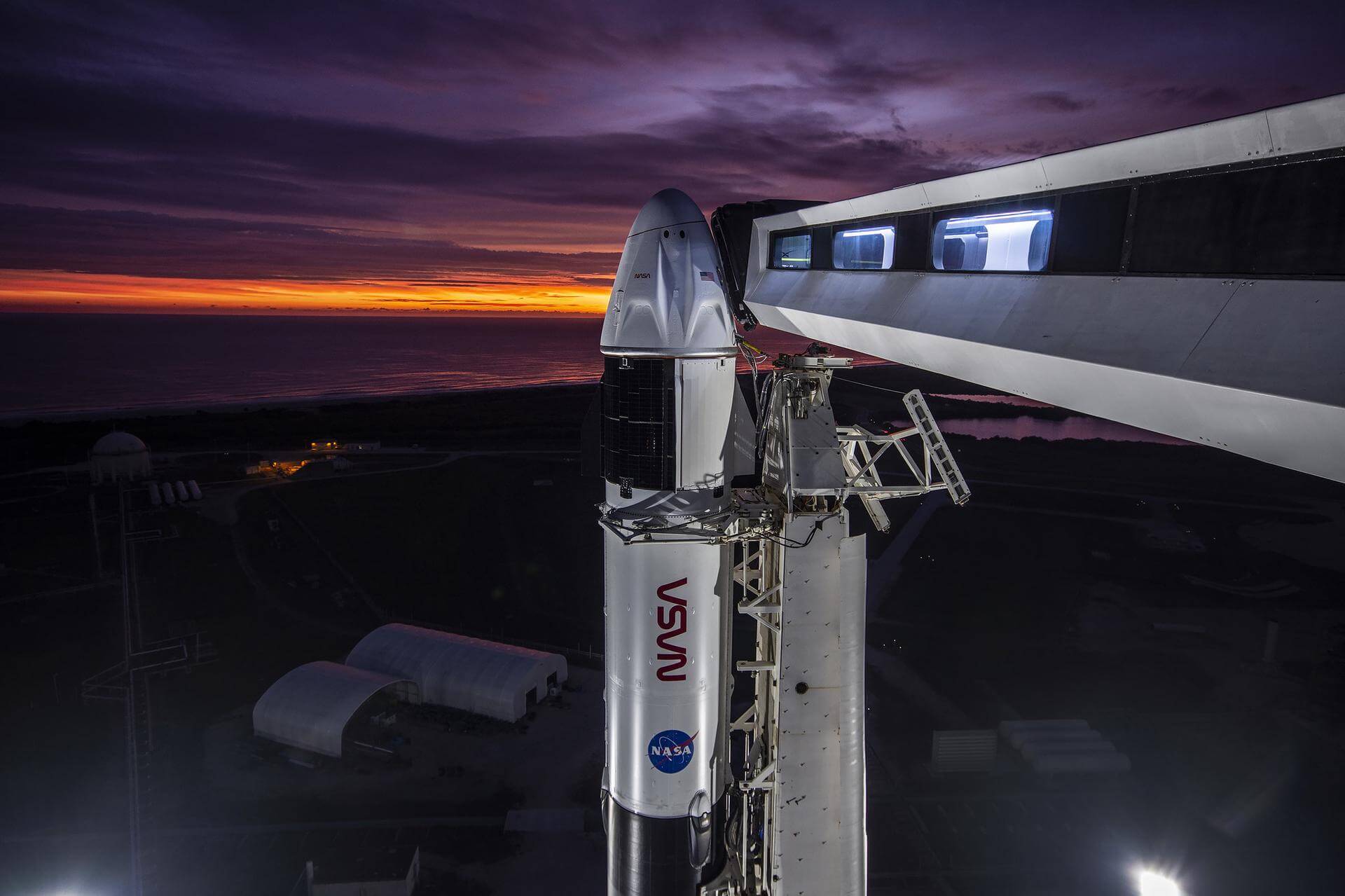
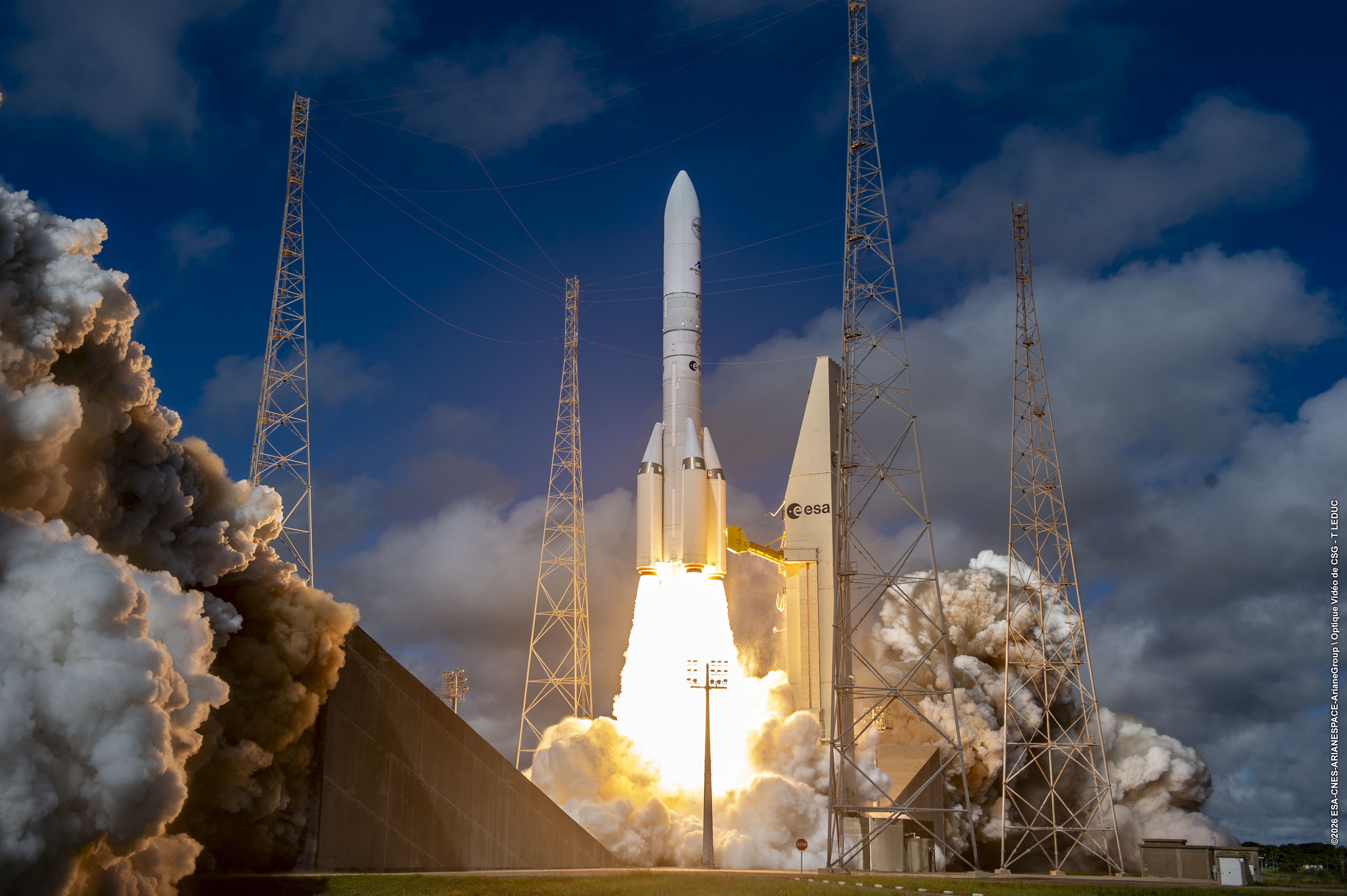
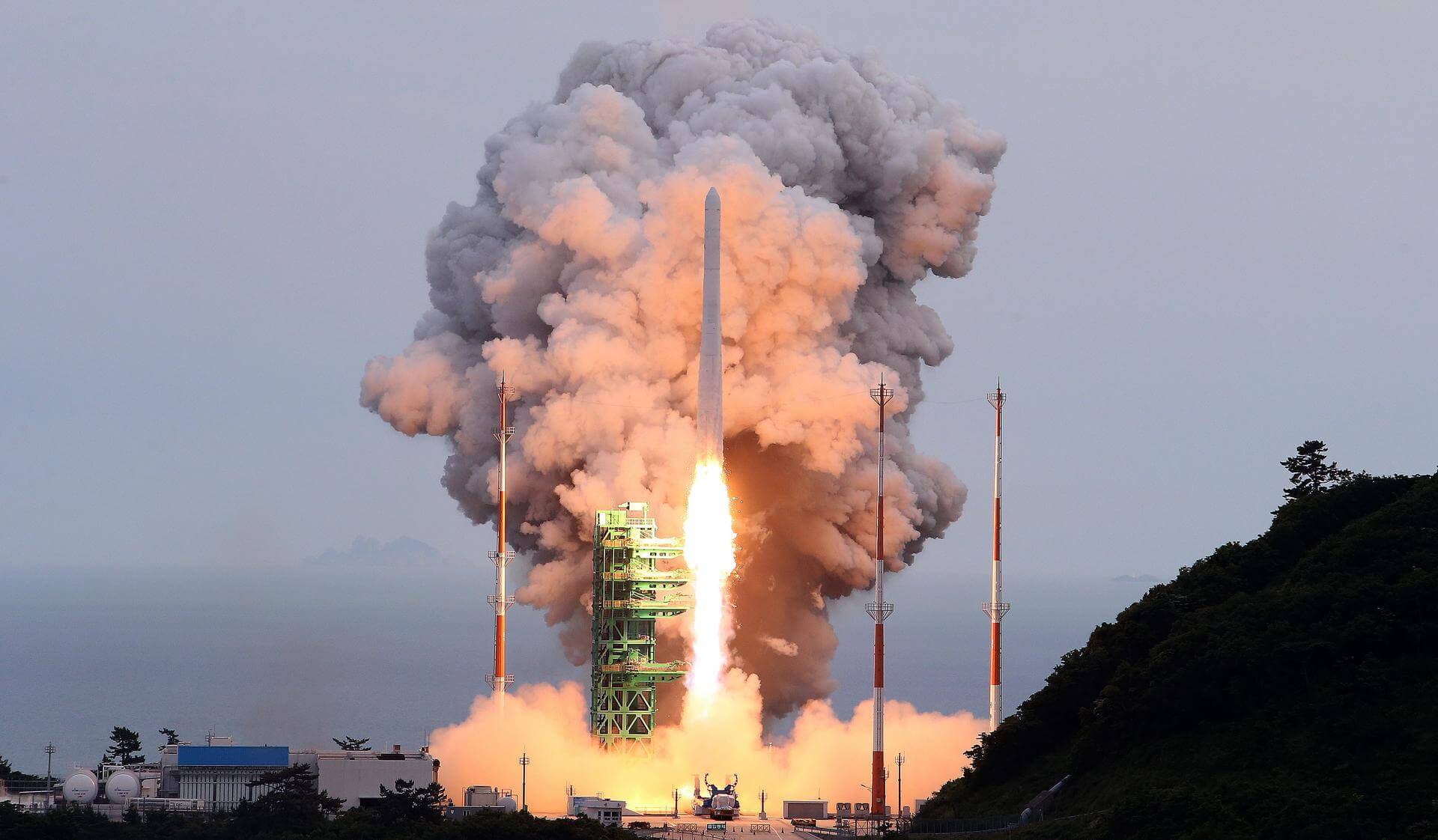
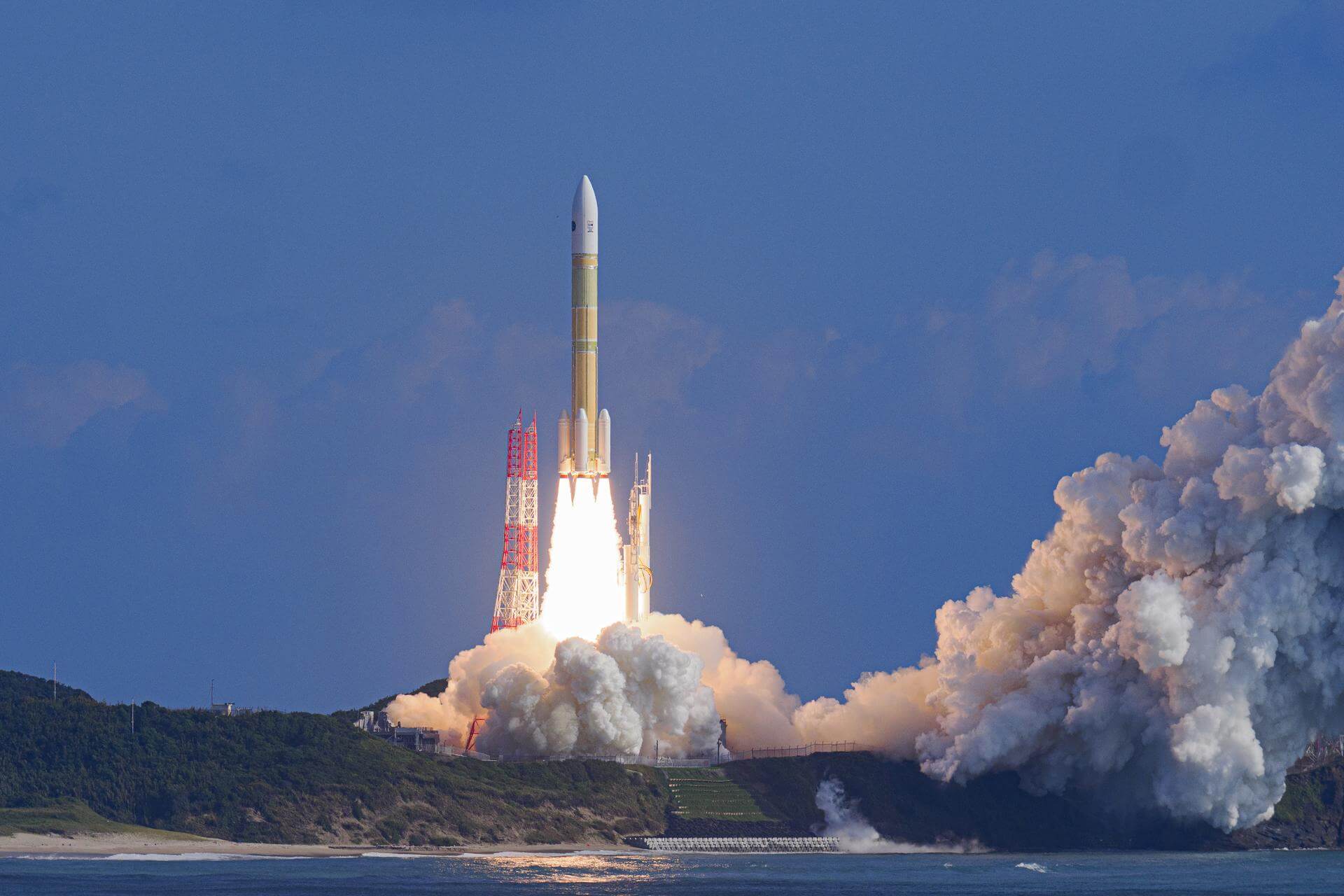
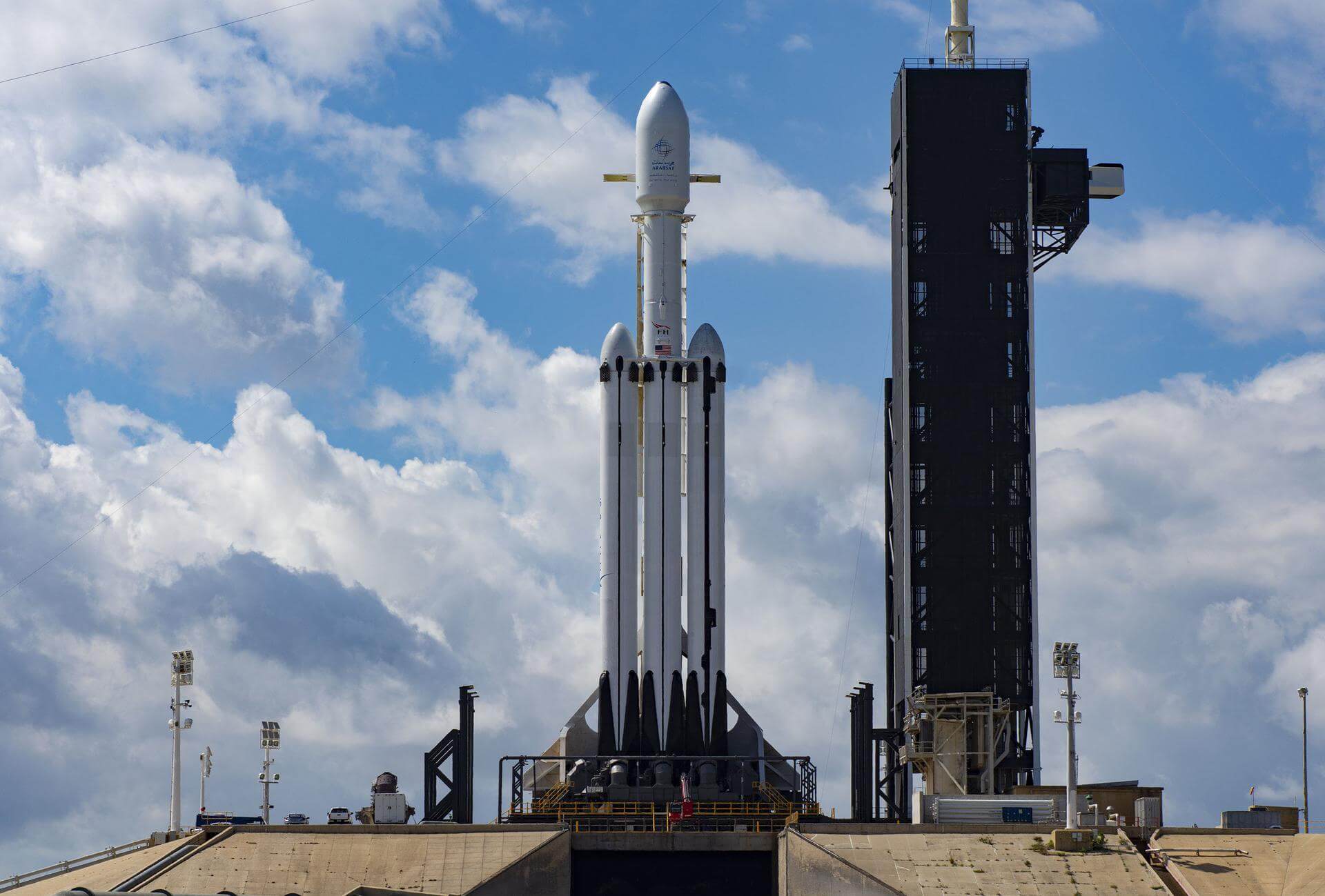
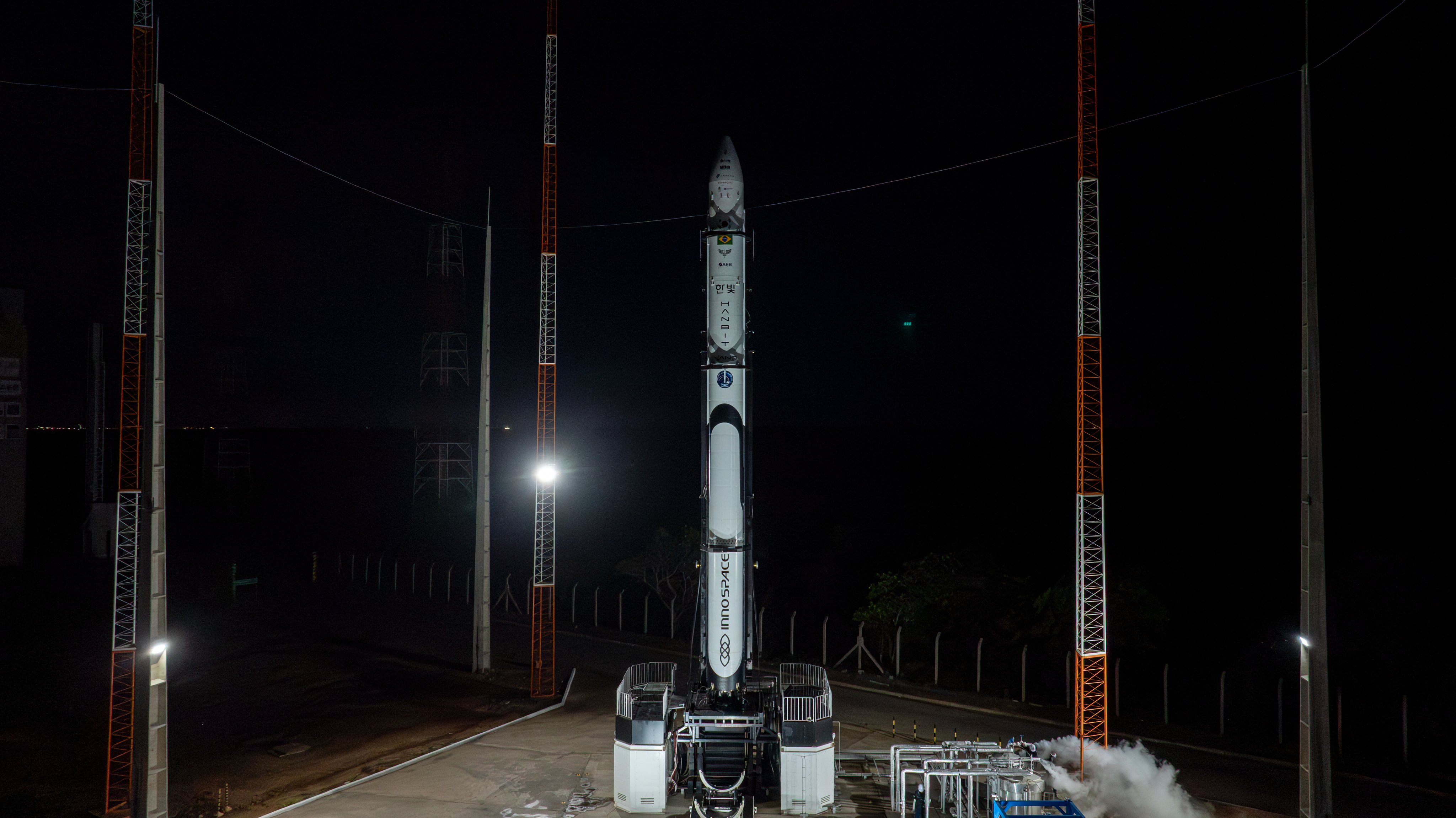
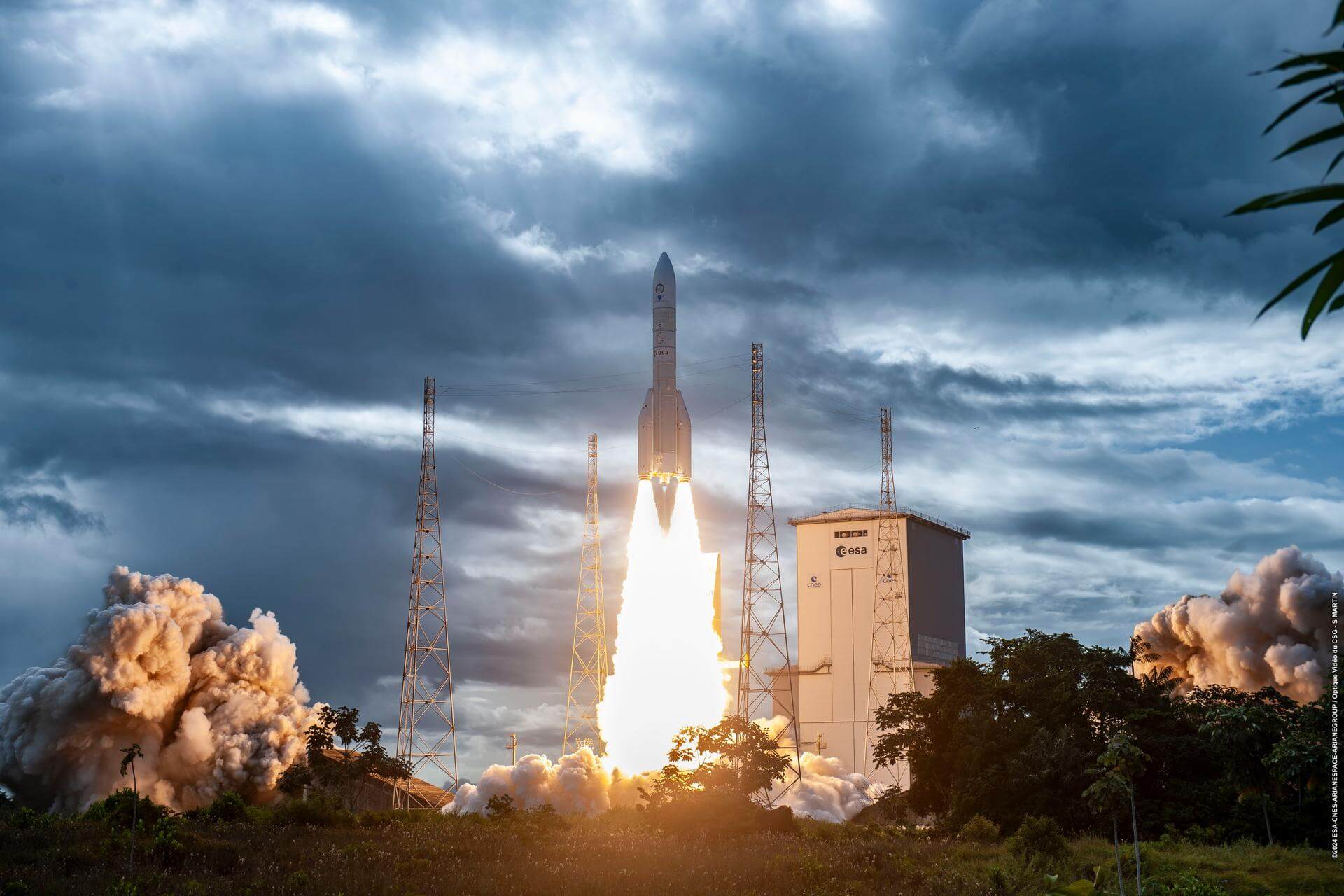
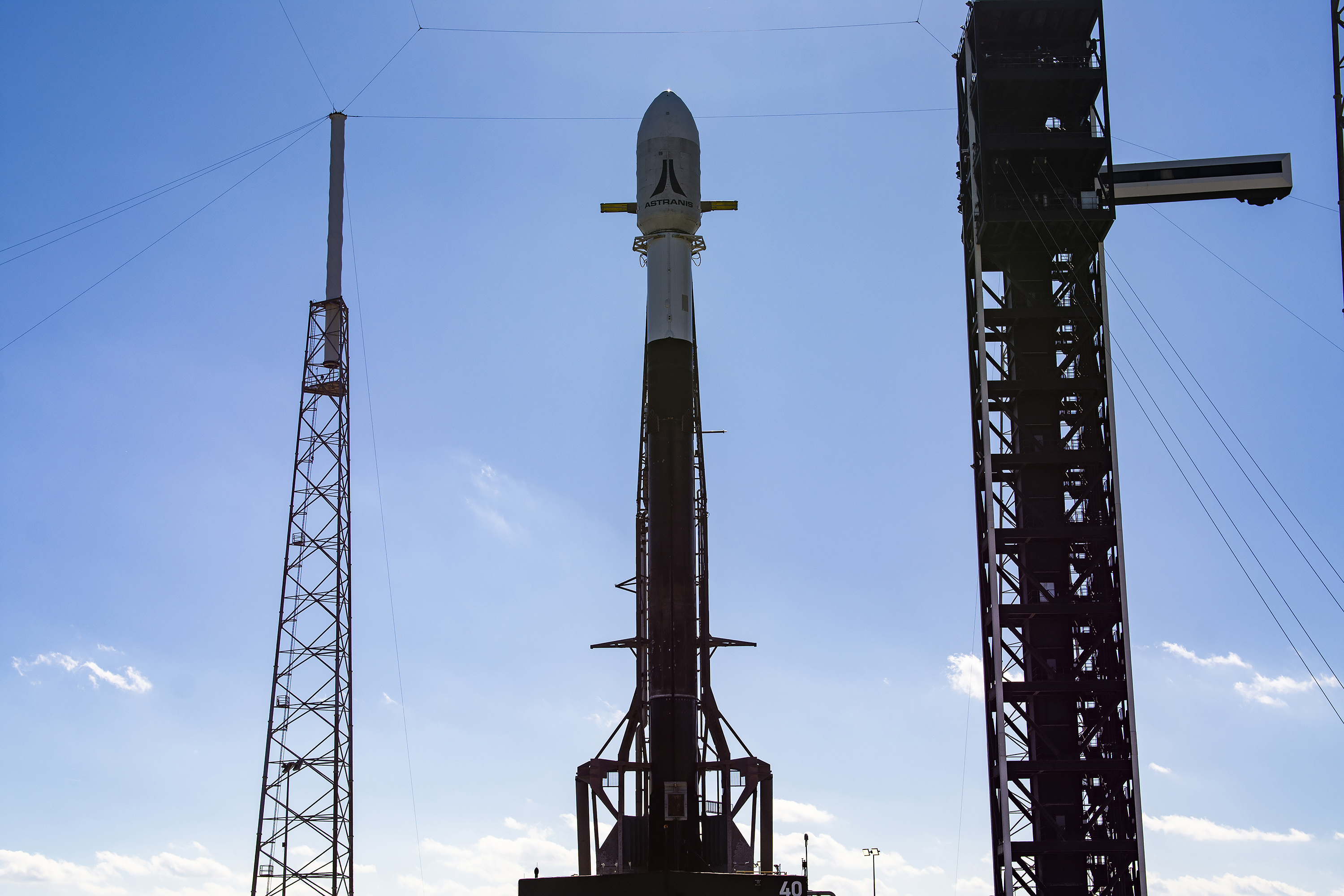
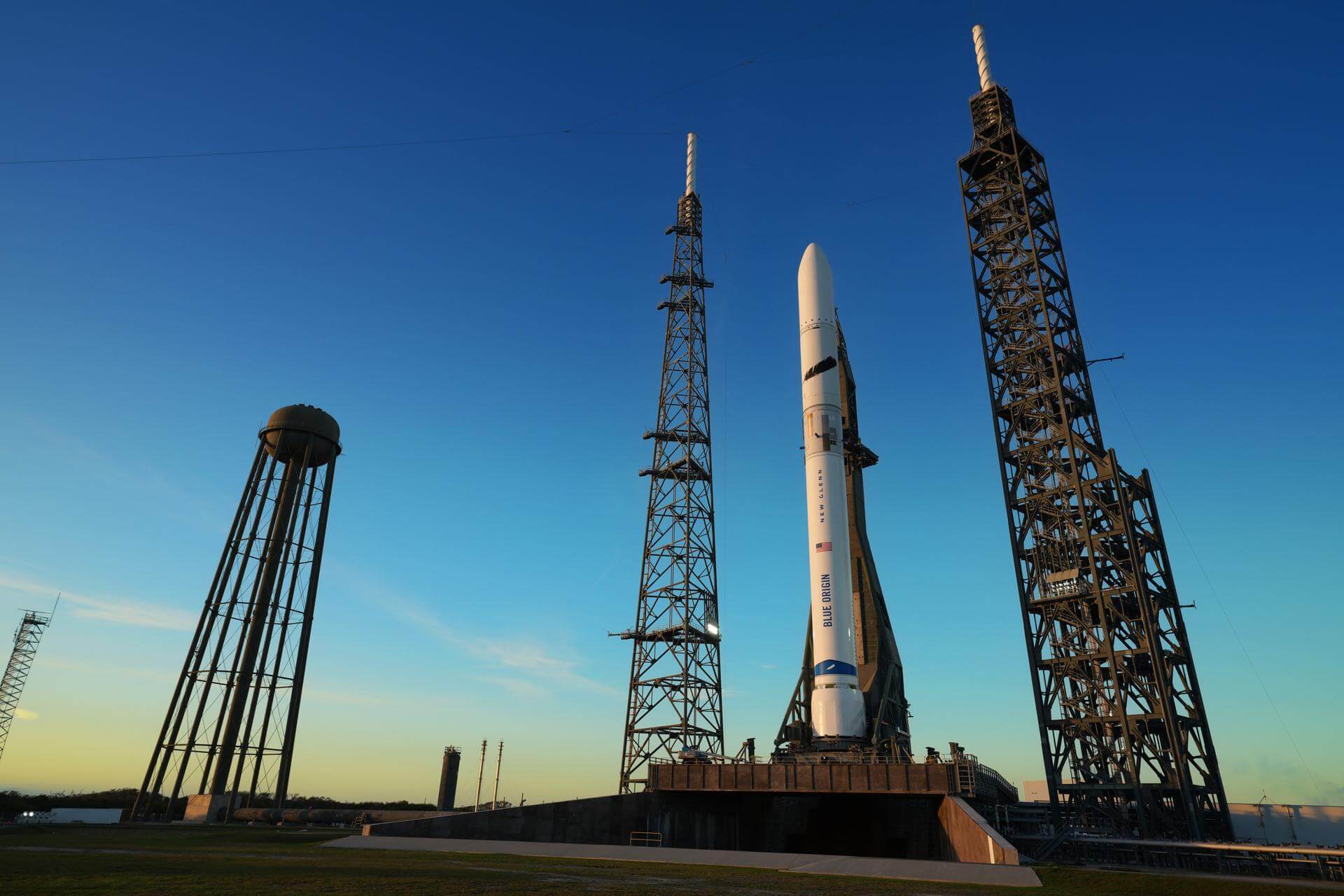
Every launch card attempts to show imagery associated with that launch. Launch-specific imagery is preferred; pad, location or provider imagery is used only when the launch itself has no image in the record. The image makes a dense schedule easier to scan and can help distinguish rocket families and launch complexes.
Status remains just as important as the picture. A beautiful launch image does not mean the current target is firm. Read the status label and launch time together. A mission marked TBD with an approximate date should be treated differently from one marked Go for Launch with a precise window.
If there is no launch today
No launch is also a valid result. Spaceflight activity is uneven: one day may have several orbital attempts while another has none. SpaceTracker.live does not invent filler events simply to keep the page populated. If nothing matches your local date, use Next Rocket Launch to see the nearest future event or This Week to see whether activity is expected over the next seven days.
After a successful launch, the mission may leave this page quickly because it is no longer upcoming. For payloads that enter Earth orbit, the next useful destination is Recently Launched Satellites. That page follows the post-launch cataloguing phase rather than the pre-launch schedule.
A better way to use the Today page near liftoff
If a launch is listed today, open the page again as the target approaches and look for changes in status or local time. A delay of only a few hours can push the mission into tomorrow for viewers in some timezones even if it remains on the same launch-site date. This is one reason the page is browser-aware rather than publishing a single universal “today” list for everyone.
For visitors following several launches, the Today page works best as a quick dashboard. Use the full schedule for long-range planning, then return here on the day of flight for a cleaner short list. If there are no matching missions, that empty result is useful information in itself and prevents outdated completed events from being kept on the page merely to make it look busy.
For satellite objects that have already reached orbit, use Recently Launched Satellites. For wider orbital tracking, open the Satellite Directory or the Deep Space section.
Frequently asked questions
Does today use my local date?
The browser refines the schedule using the local date and timezone configured on your device.
What if no rocket is launching today?
The page shows a clear no-launch result and links to the full upcoming schedule.
Can a launch scheduled today be scrubbed?
Yes. Weather, technical issues and range constraints can move a launch to a later date even shortly before liftoff.
Launch schedule and associated imagery: Launch Library 2, The Space Devs. SpaceTracker.live uses a shared server-side cache and retains image credits when provided by the source record.

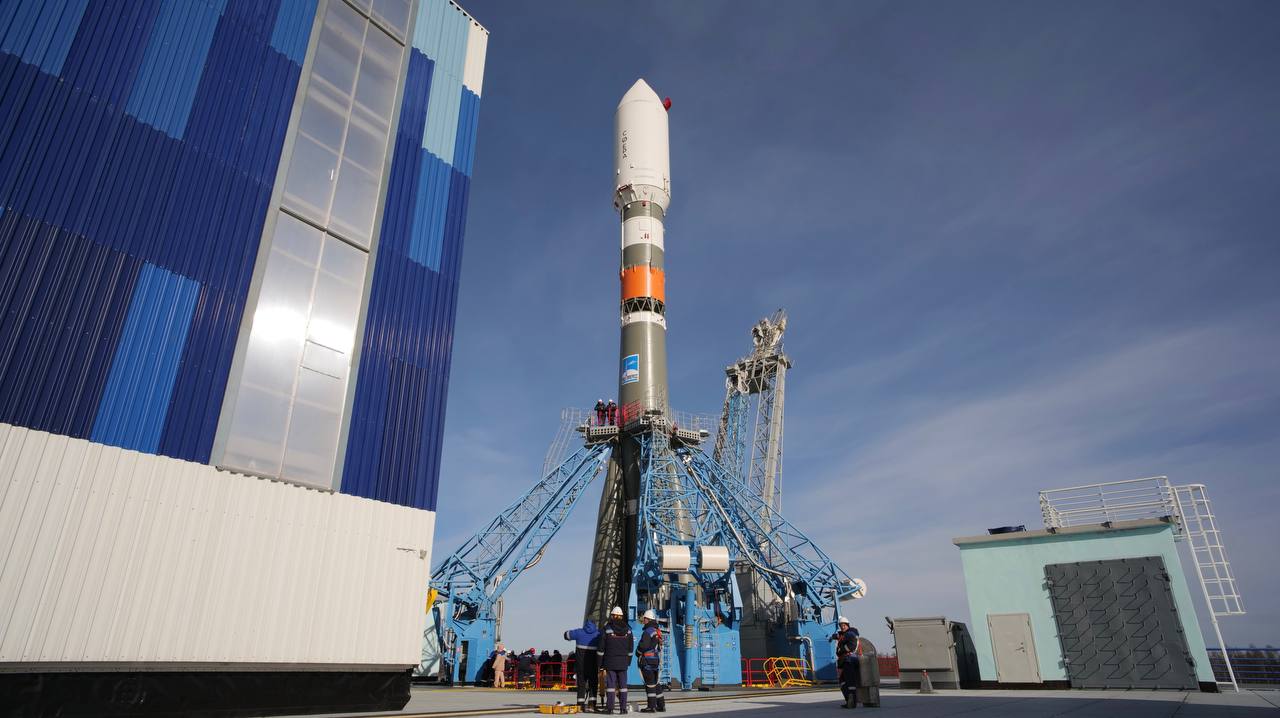 Image: Roscosmos