
SN 1987A: a famous explosion and a continuing remnant
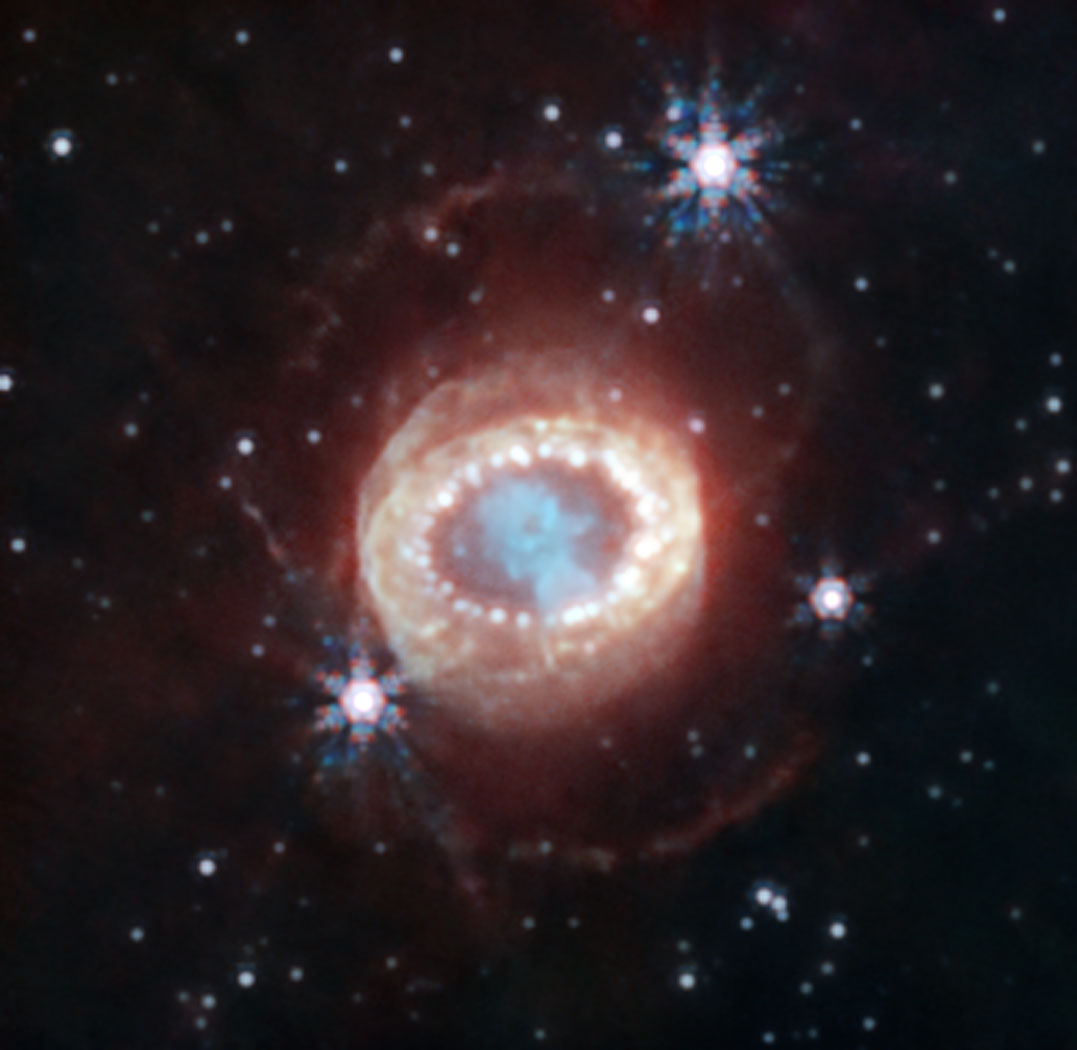
SN 1987A became a landmark target when the light of a stellar explosion was observed in 1987 in the Large Magellanic Cloud. Today the name also identifies the evolving remnant studied with powerful observatories. That distinction is essential when using this page: its sky marker locates the target, but the archival photographs are not a prediction that the original bright supernova is visible tonight. The NASA Webb image record provides a reference position and a detailed infrared view. Use the tool above to examine the direction from your location, then read the image captions and observing limits before comparing it with a recent entry in the supernova directory.
Understand what the date in the name means
The year describes the observed event and its designation, not the travel time of the light. A distant explosion occurred long before its radiation reached Earth, but historical accounts naturally discuss when observers received that signal. The remnant continues to change after that arrival as ejected material interacts with its environment. When you compare an image dated decades later, you are examining a later observation of the aftermath, not a second identical explosion. Keep three dates separate in your notes: the historic discovery, the observing date of a scientific image and the timestamp selected in the local sky tool. Each serves a different purpose. The date control here changes the local direction of the reference centre; it does not recreate the supernova's light curve in your telescope.
The southern sky sets a firm observing constraint
SN 1987A lies far south on the celestial sphere. Depending on your latitude, it may remain below the horizon throughout the day or rise only to a low altitude. That is a geometric limit, not a failure to load the map. The shared Observer Sky View shows its bearing when it is below the horizon so you can understand the direction without pretending that the Earth is transparent. Check the header location before interpreting the result. A page opened from India, northern Europe or the southern hemisphere should not show the same local altitude. For an alternative reference target, compare the Crab Nebula or explore the remnant directory rather than changing the saved location merely to obtain an attractive chart.
Read the rings as structure with a history
The published images show several structures around the central ejecta. These should not be reduced to a generic decorative halo. Their origin and illumination depend on material associated with the star and its surroundings, and later shock interactions can create bright regions. A processed infrared image uses assigned display colours to distinguish selected bands. The brightest displayed colour is not automatically the brightest feature in visible light. Open the source record when you want to identify a structure precisely. For this page, the photograph remains attached to its real subject and instrument, while the chart uses a small reference symbol. The symbol is intentionally simplified because a detailed ring drawing at arbitrary screen size would incorrectly suggest that the chart itself contains a resolved scientific observation.
Compare observations across wavelength bands
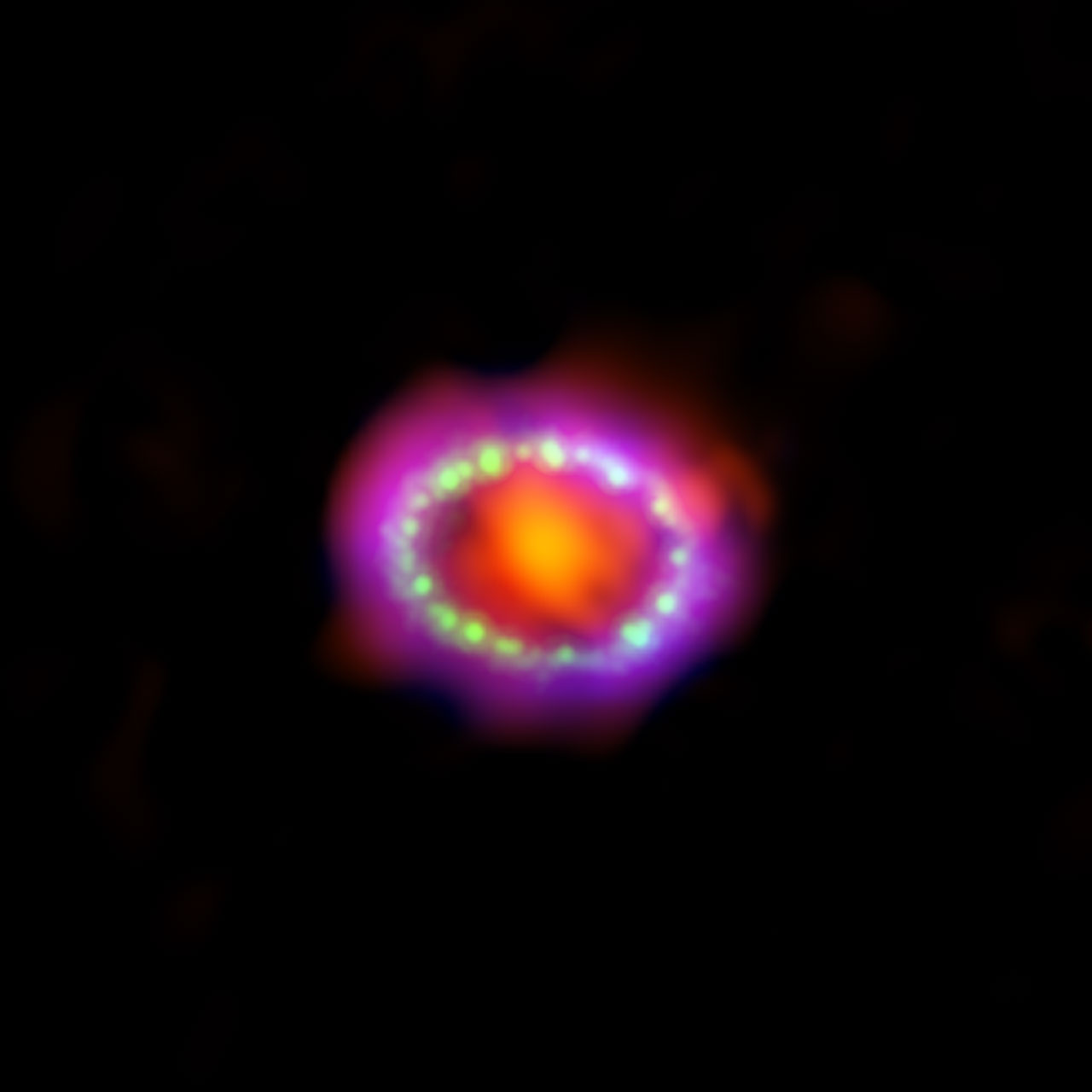
SN 1987A has been studied with optical, infrared, X-ray and longer-wavelength instruments. Each observation samples different processes or material, and combining them can reveal relationships that are less clear in one image alone. The Hubble, Chandra and ALMA composite identifies the observatories behind one such view. Compare the caption and scale before comparing individual colours. A colour change between two releases might result from different filters or processing, rather than a physical transformation in the gas. A useful first exercise is to list what each instrument detects, then note which structures appear in more than one band. That approach turns the photographs into evidence rather than interchangeable illustrations.
Why a small reference icon is useful
The page opens with SN 1987A selected so the map and the guide describe the same target. Its symbol remains visible inside the existing crosshair both above and below the mathematical horizon. It does not replace the guide-star background, change the target coordinates or enlarge the actual remnant in the sky calculation. Use Find target when you lose the marker after panning, and use the ordinary map controls to change the view. If you compare the reference position with a high-resolution image, remember that a catalogue centre is not the coordinate of every bright knot. Narrow-field work requires the original image's orientation and astrometric information. The map is best used to connect the object's celestial direction with the observer's whole sky.
Set expectations for ordinary observing
The dramatic scientific images were produced with sensitive instruments, selected wavelengths and substantial processing. They should not be read as the appearance of the object through a small backyard telescope. First ask whether the target rises from your location at all. Then consider its height, the available darkness and the goal of the session. Locating the surrounding field is different from resolving ring structure or measuring remnant emission. This guide deliberately leaves current optical magnitude unavailable when no verified measurement has been loaded; the 1987 discovery event is not a current-brightness estimate. For objects with recent reported photometry, try Supernovae Tonight, while still checking the date, filter and limitations of each measurement.
Follow compact-object evidence carefully
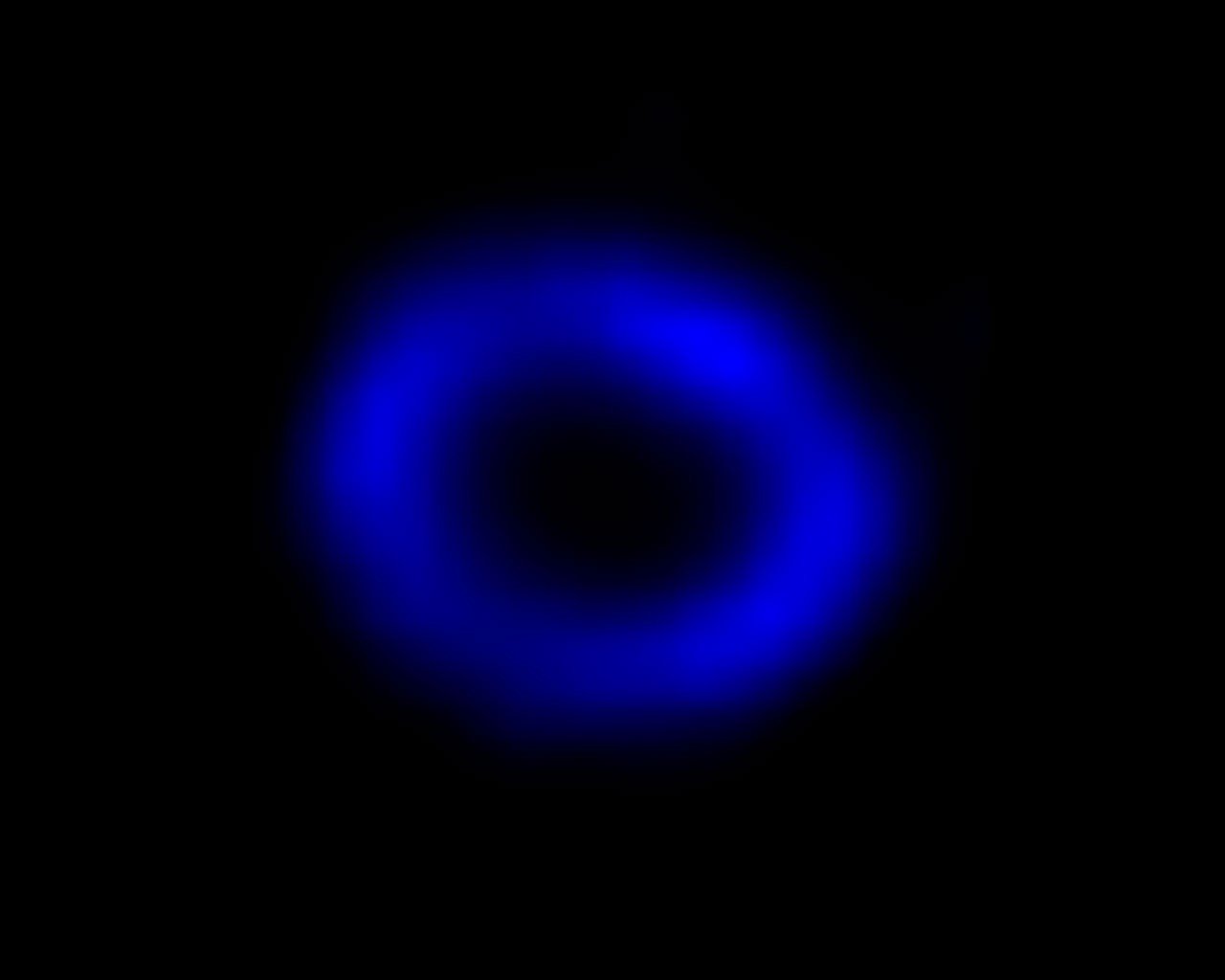
The aftermath of a massive-star explosion raises questions about the compact object left behind. Evidence may involve emission lines, spatial structure and interpretation of radiation interacting with surrounding material, rather than a straightforward visible photograph of a tiny star. The NASA/JPL account of Webb's neutron-star evidence is a useful starting point for the scientific context. Preserve the wording of evidence and uncertainty when describing the result. A locator symbol on this map does not identify the compact object separately, and the tool does not claim to track it. Keeping observation, interpretation and illustration separate makes it easier to appreciate what the data establish without adding precision that the page does not possess.
Build a useful reading and imaging record
Save the image source, instrument, observing date and scale with any comparison you make. If two photographs show different extents, check their fields of view before concluding that the remnant expanded by the entire visible difference. Read the source caption before using a striking structure as evidence of a particular process. Link your local direction notes to the selected time and shared location, especially when discussing southern-sky access. You can compare SN 1987A with Cassiopeia A to study another young debris system, or return to the reference list for a more general comparison. The lasting value of SN 1987A lies in documented observations accumulated over time, rather than an animated claim that an archival image is happening live on the screen.