
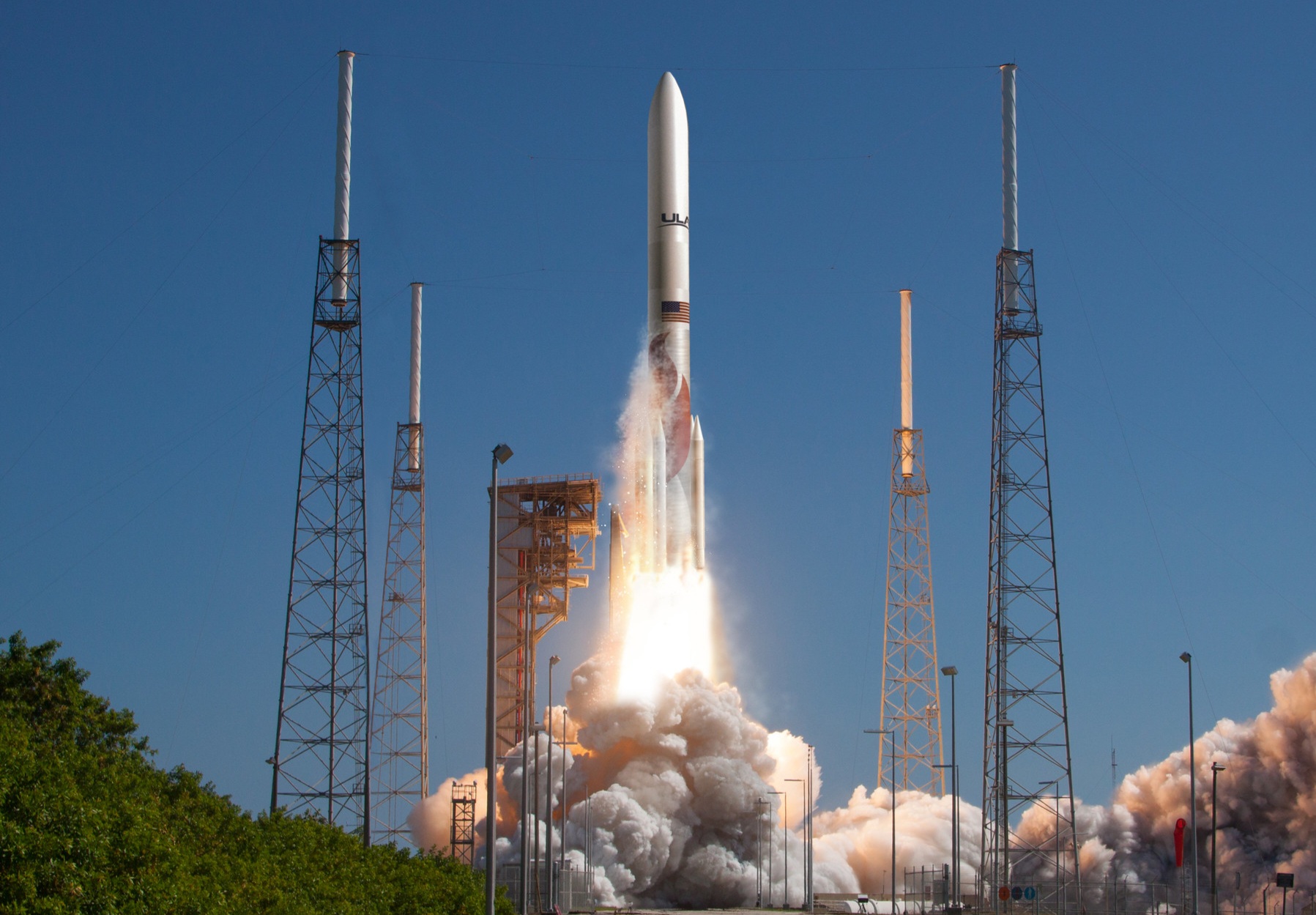
SPACEPORT / LOCATION
Cape Canaveral SFS, FL, USA
Upcoming entries: 28
Next listed: Vulcan VC6L | Amazon Leo (LV-01)
Pads: Space Launch Complex 41, Space Launch Complex 40, Unknown Pad
Explore active rocket launch sites represented in the upcoming launch schedule and see the next missions associated with major spaceports and pads.
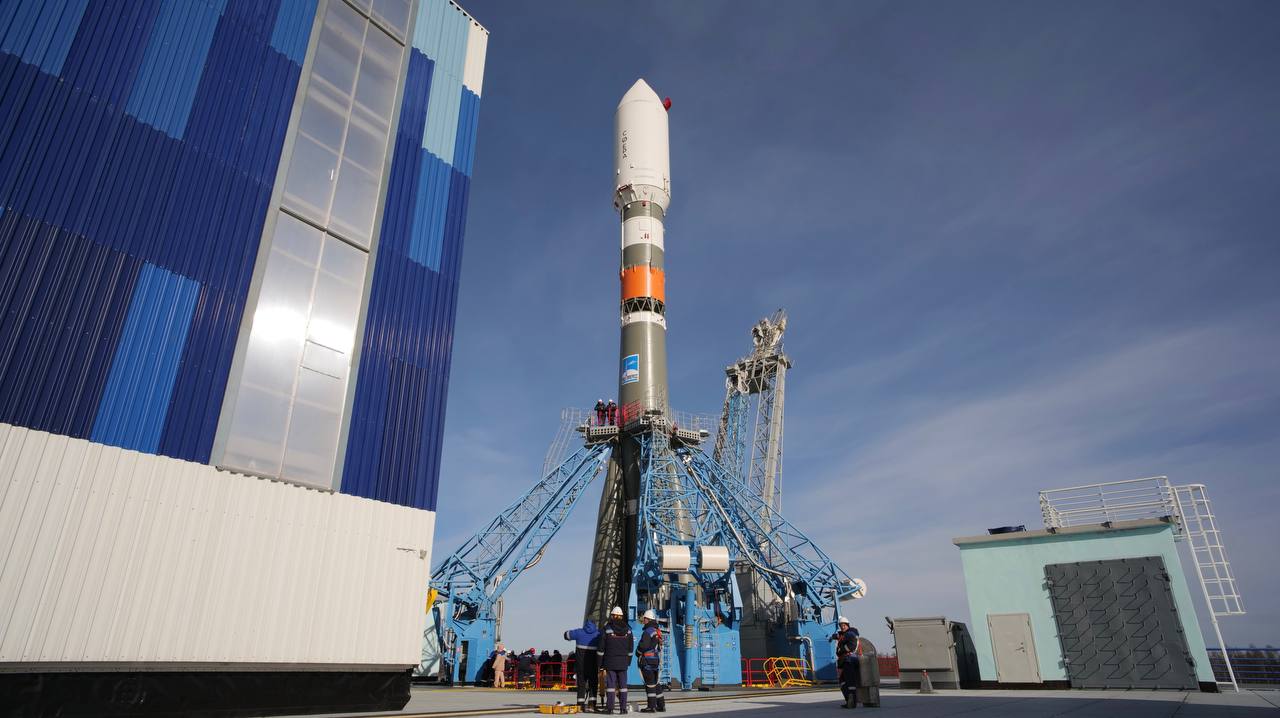
Upcoming entries: 28
Next listed: Vulcan VC6L | Amazon Leo (LV-01)
Pads: Space Launch Complex 41, Space Launch Complex 40, Unknown Pad
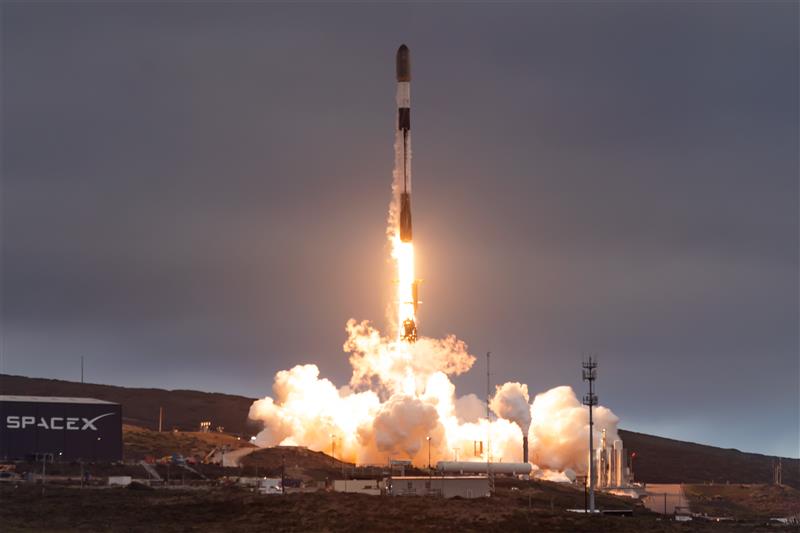
Upcoming entries: 23
Next listed: Falcon 9 Block 5 | USSF-259
Pads: Space Launch Complex 4E, Space Launch Complex 2W, Space Launch Complex 3E
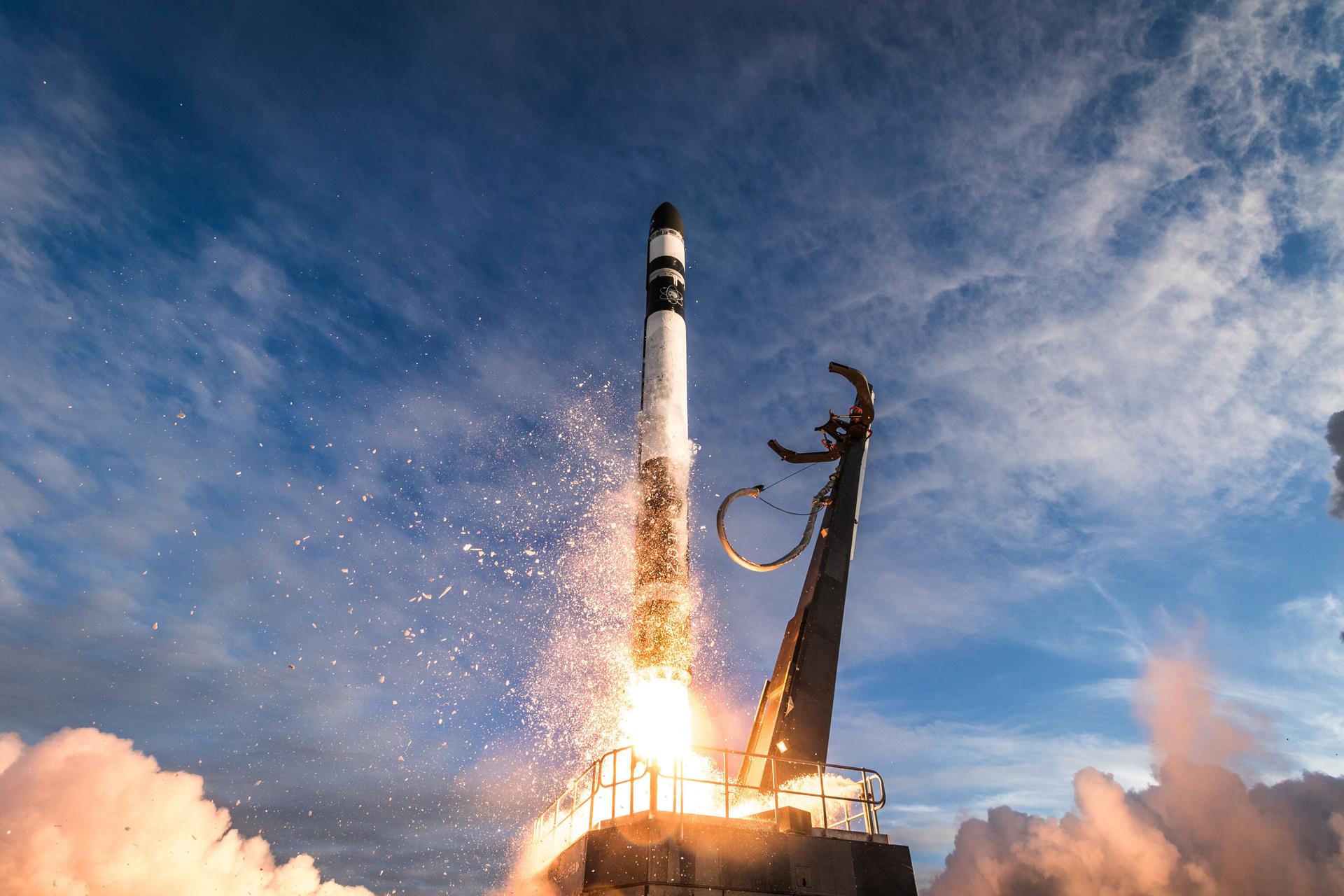
Upcoming entries: 8
Next listed: Electron | Owl By The Dozen (StriX Launch 12)
Pads: Unknown Pad
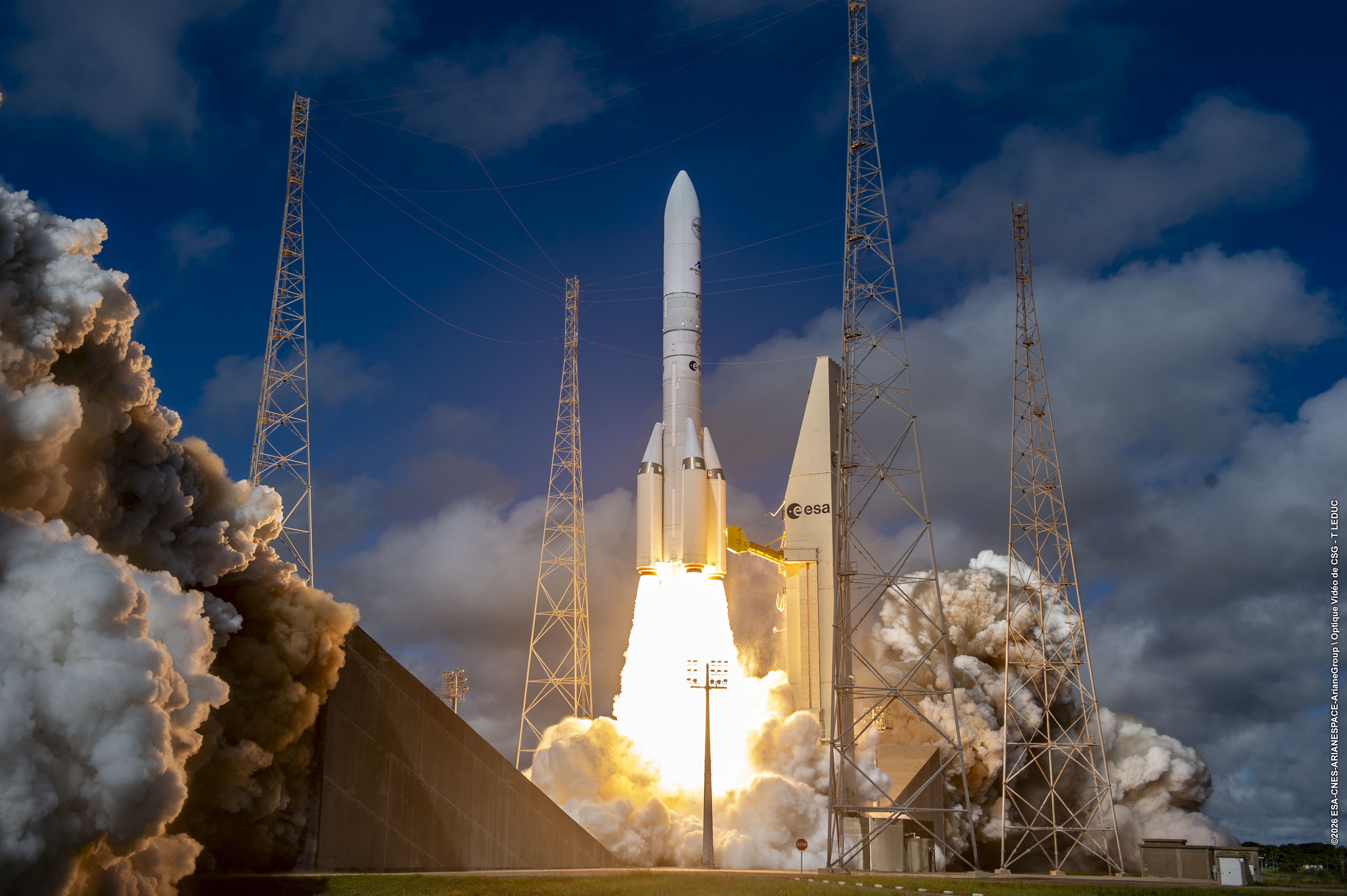
Upcoming entries: 6
Next listed: Ariane 64 Block 2 | Amazon Leo (LE-04)
Pads: Ariane Launch Area 4, Ariane Launch Area 1 (ELV), Diamant Launch Area
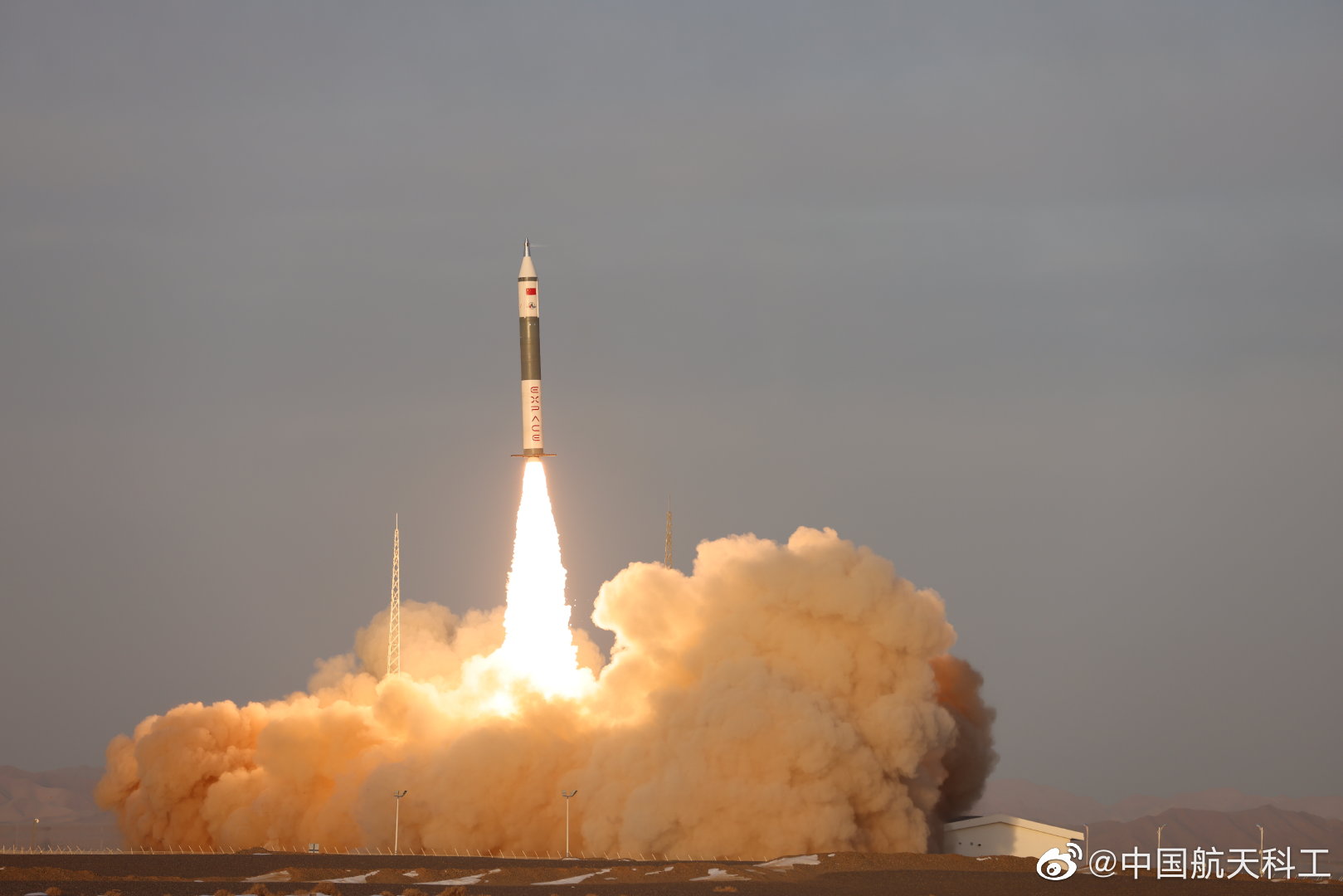
Upcoming entries: 4
Next listed: Kuaizhou 11 | Unknown Payload
Pads: Launch Area 95A, Launch Area 130, Long March 12 series Pad
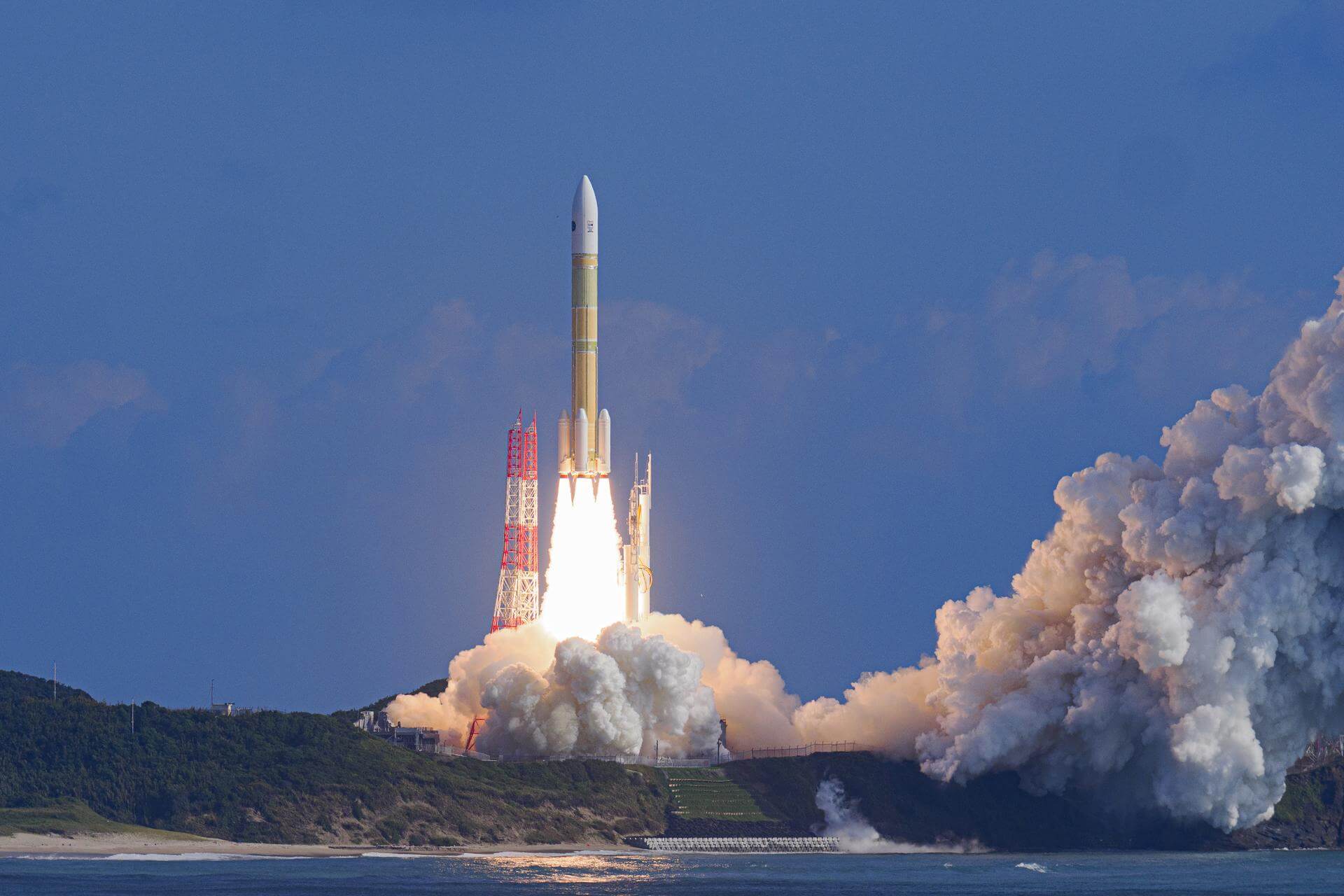
Upcoming entries: 4
Next listed: H3-24 | Martian Moon eXplorer (MMX)
Pads: Yoshinobu Launch Complex LP-2
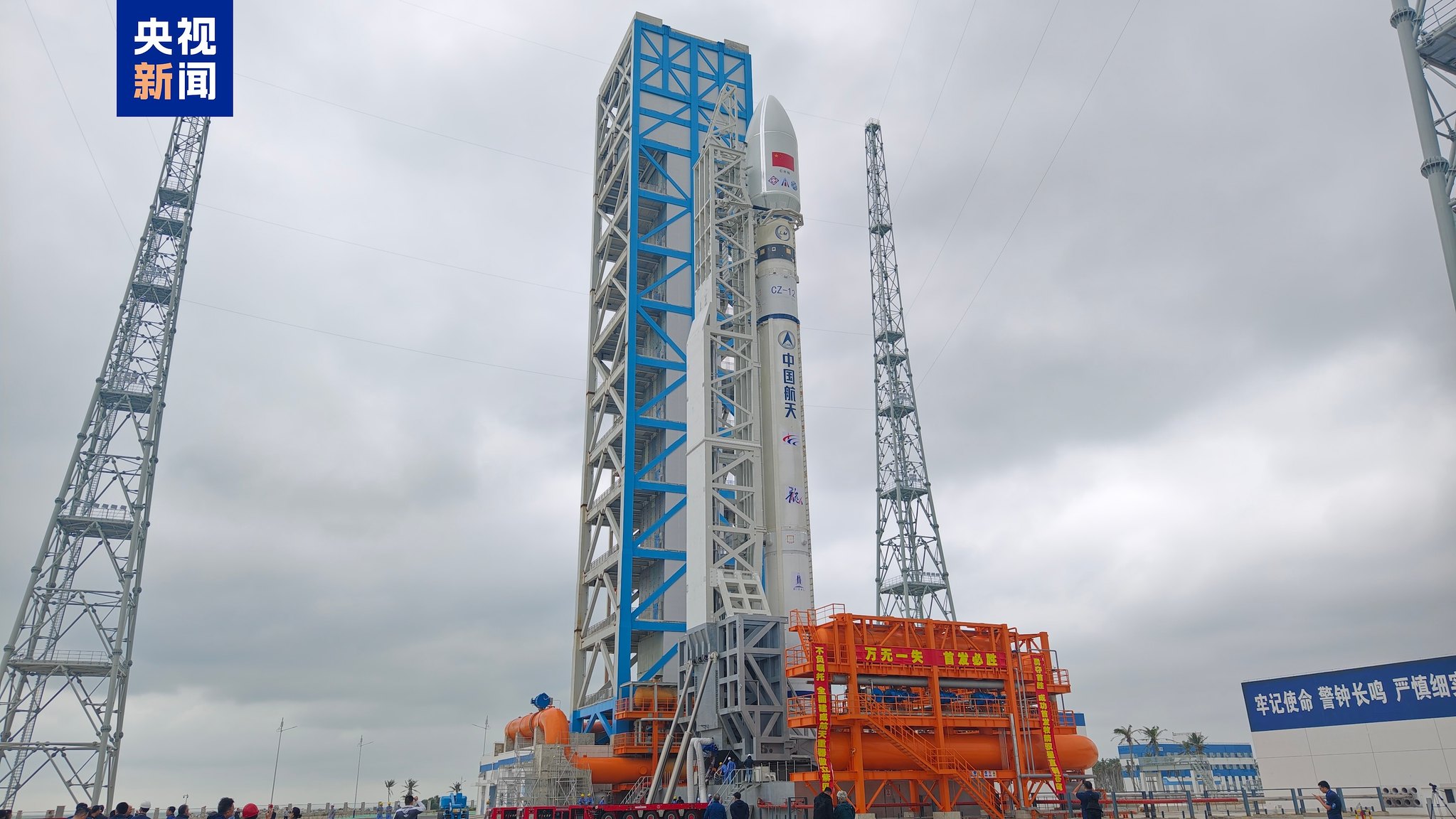
Upcoming entries: 3
Next listed: Long March 12 | Unknown Payload
Pads: Commercial LC-2, Commercial LC-1, 301
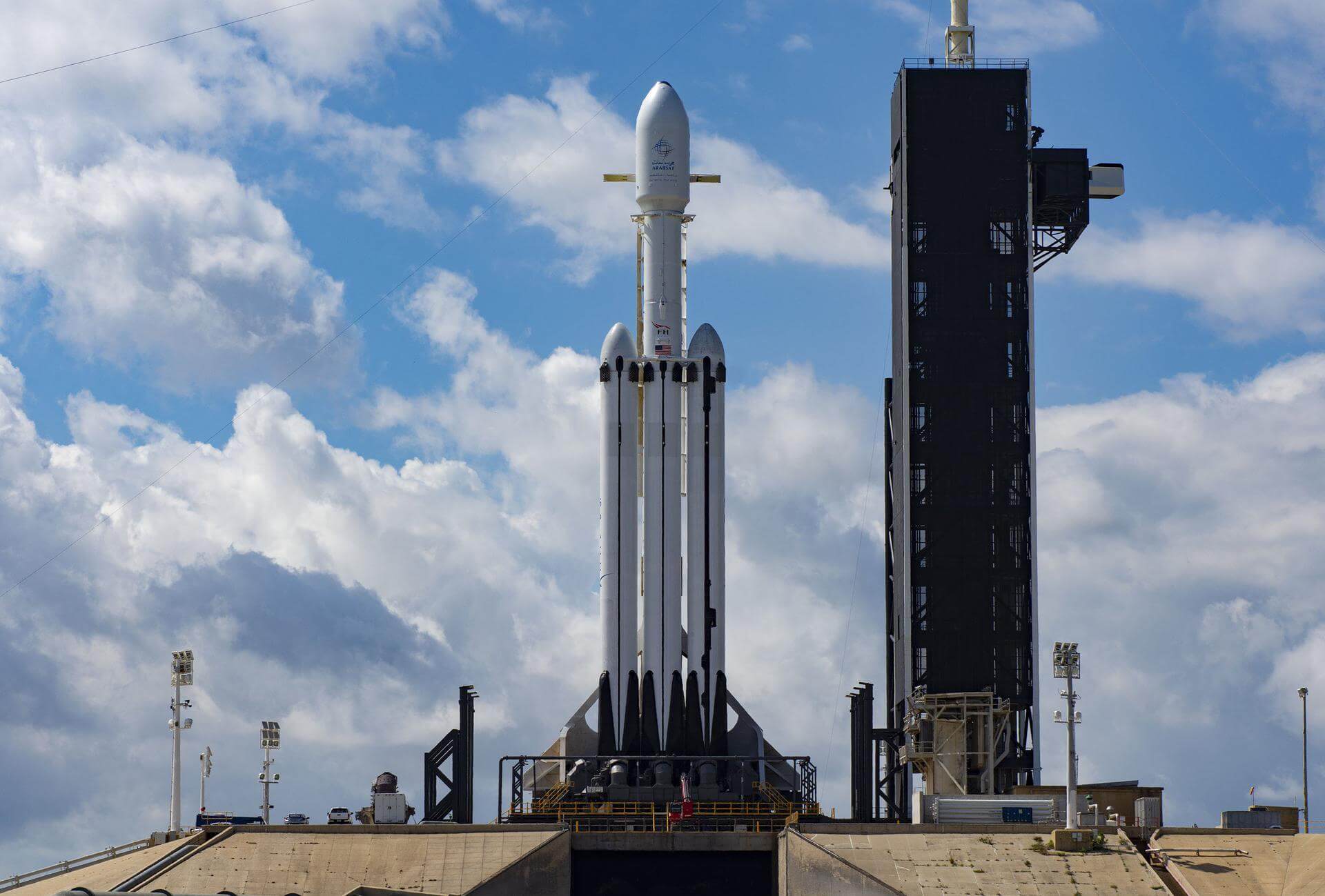
Upcoming entries: 3
Next listed: Falcon Heavy | NROL-97
Pads: Launch Complex 39A
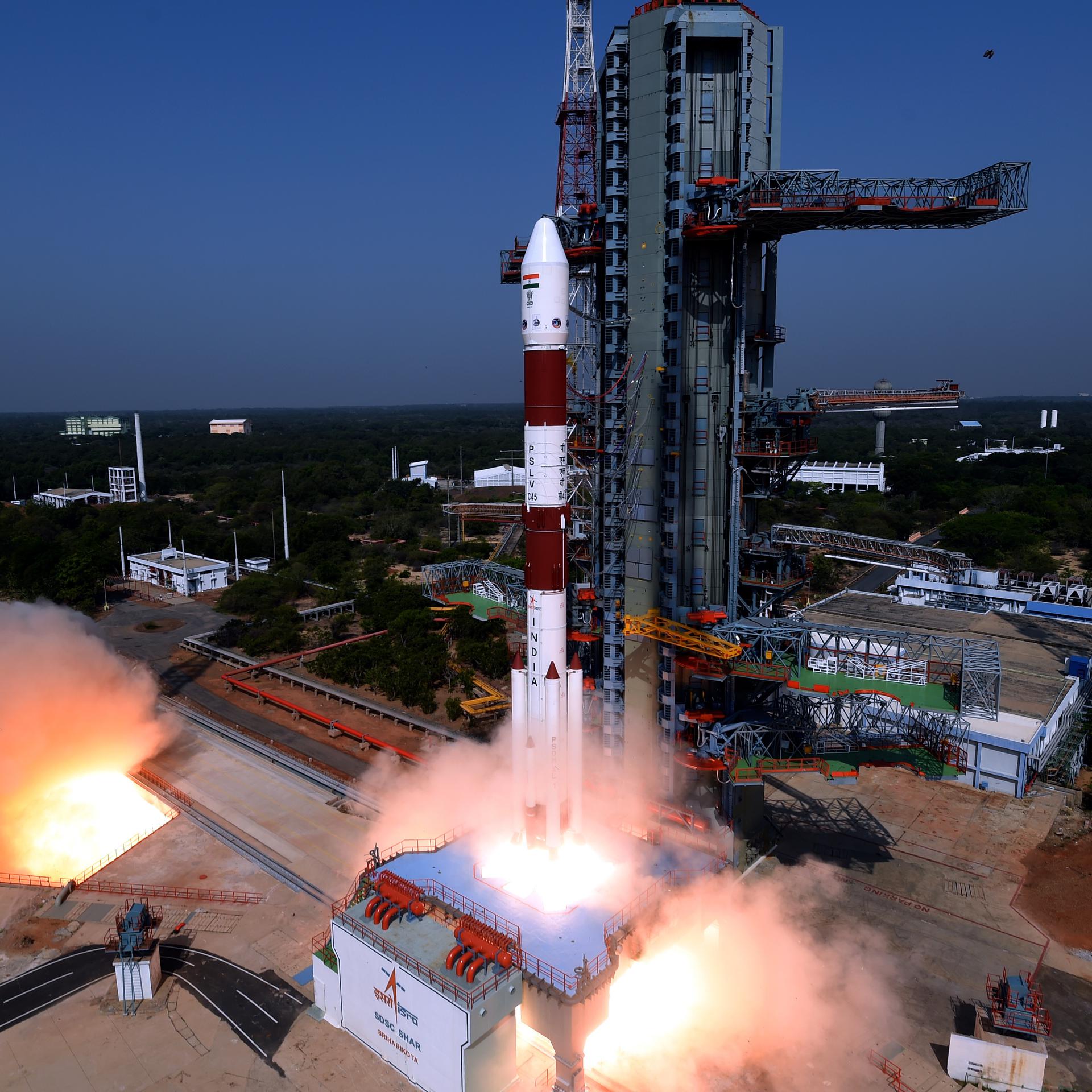
Upcoming entries: 3
Next listed: PSLV | ConnectedCosmos
Pads: Satish Dhawan Space Centre First Launch Pad, Satish Dhawan Space Centre Second Launch Pad
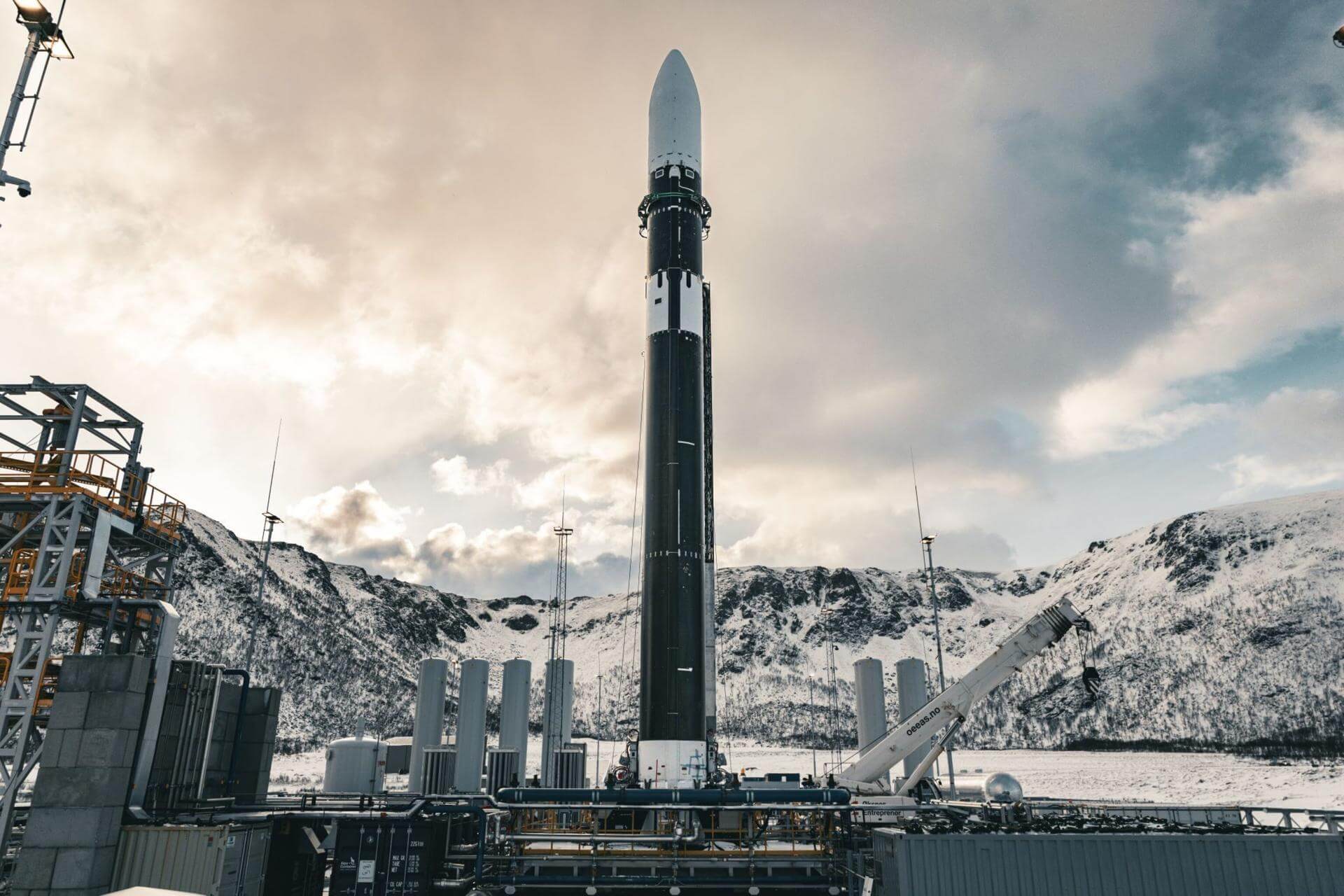
Upcoming entries: 3
Next listed: Spectrum | ΣYNDEO-3
Pads: Orbital Launch Pad
Upcoming entries: 2
Next listed: Soyuz 2.1b | Progress MS-35 (96P)
Pads: 31/6
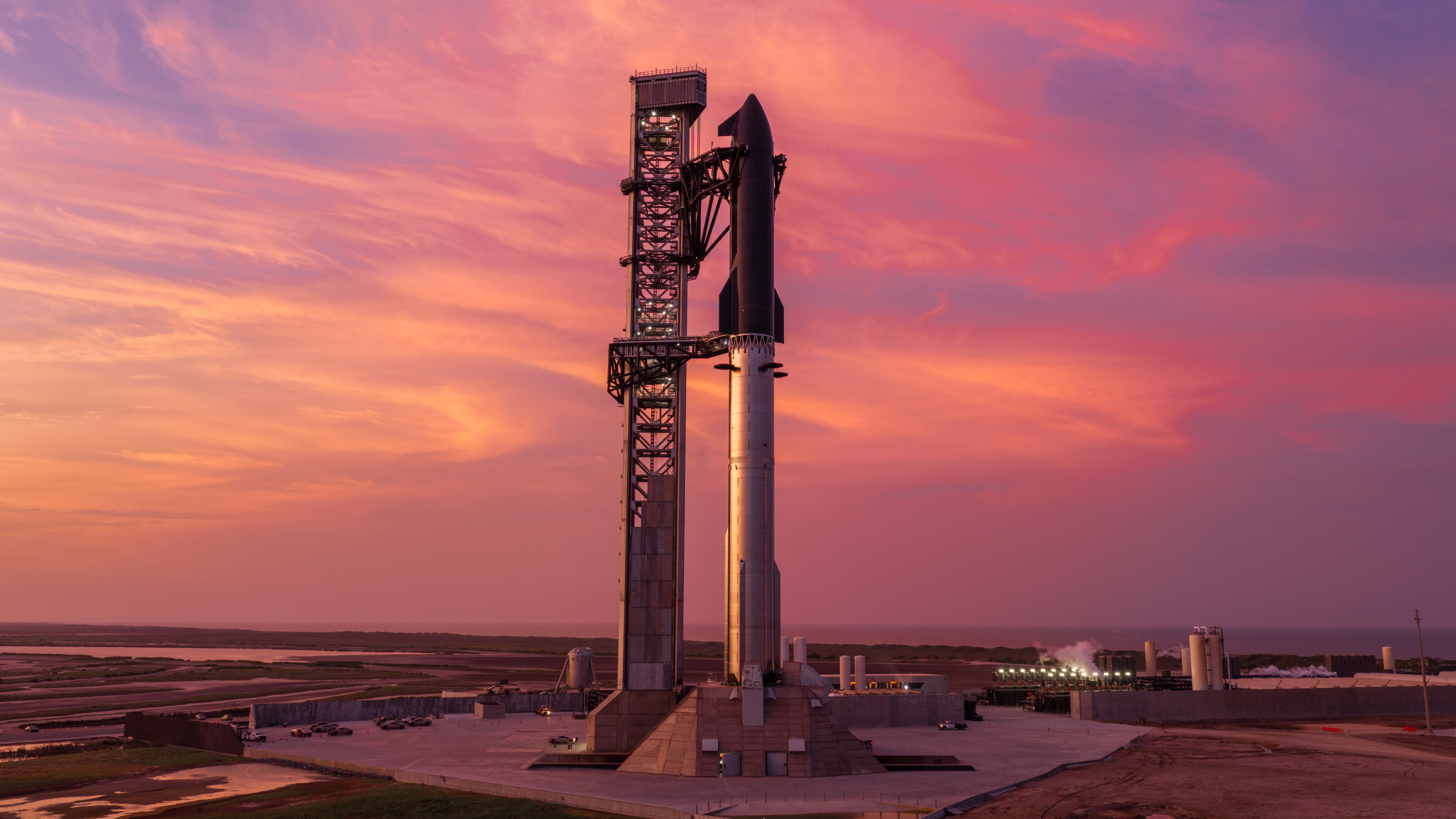
Upcoming entries: 2
Next listed: Starship | Flight 14
Pads: Orbital Launch Pad 2
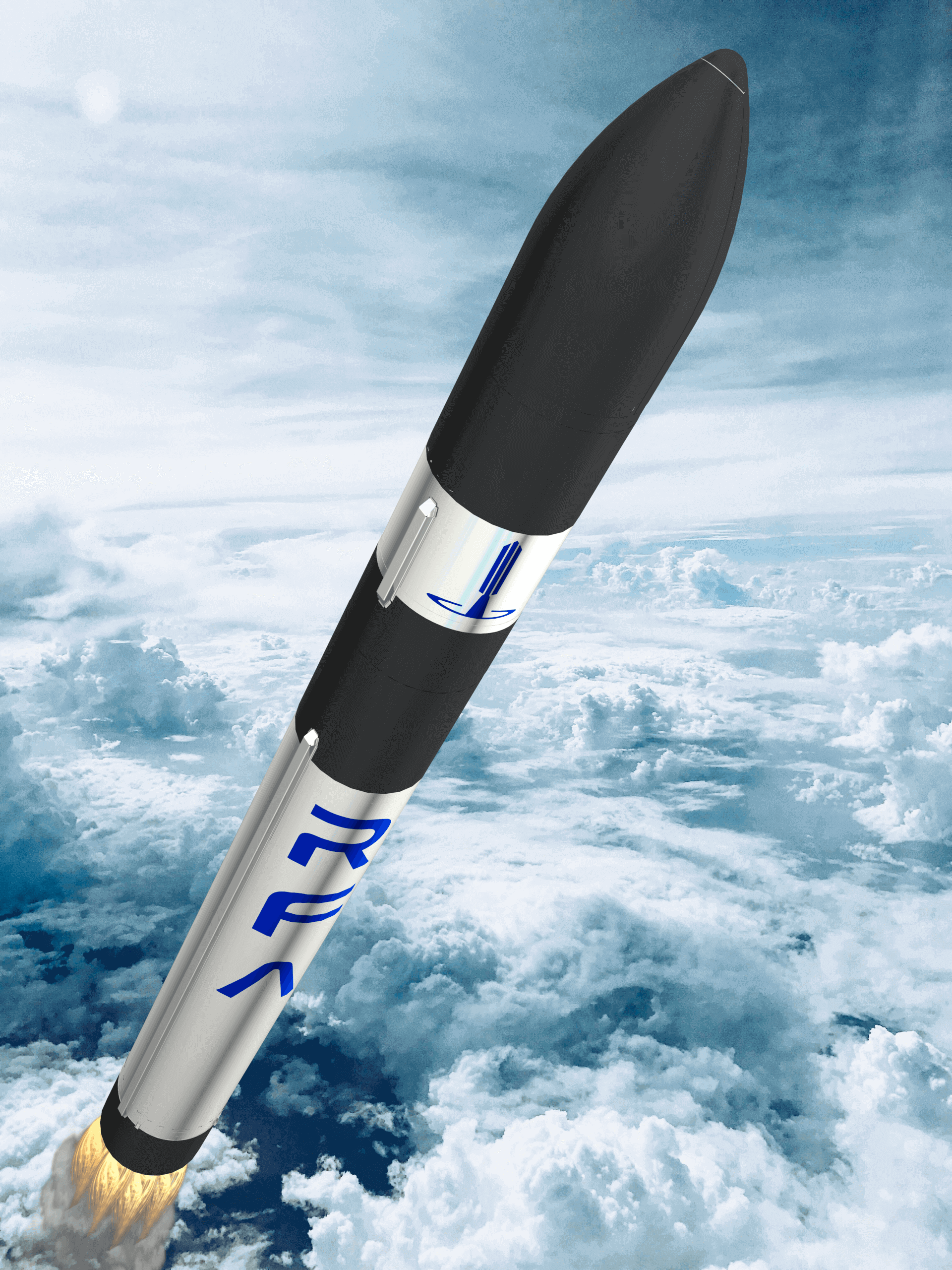
Upcoming entries: 2
Next listed: RFA One | Maiden Flight
Pads: Launch Pad Fredo, Unknown Pad
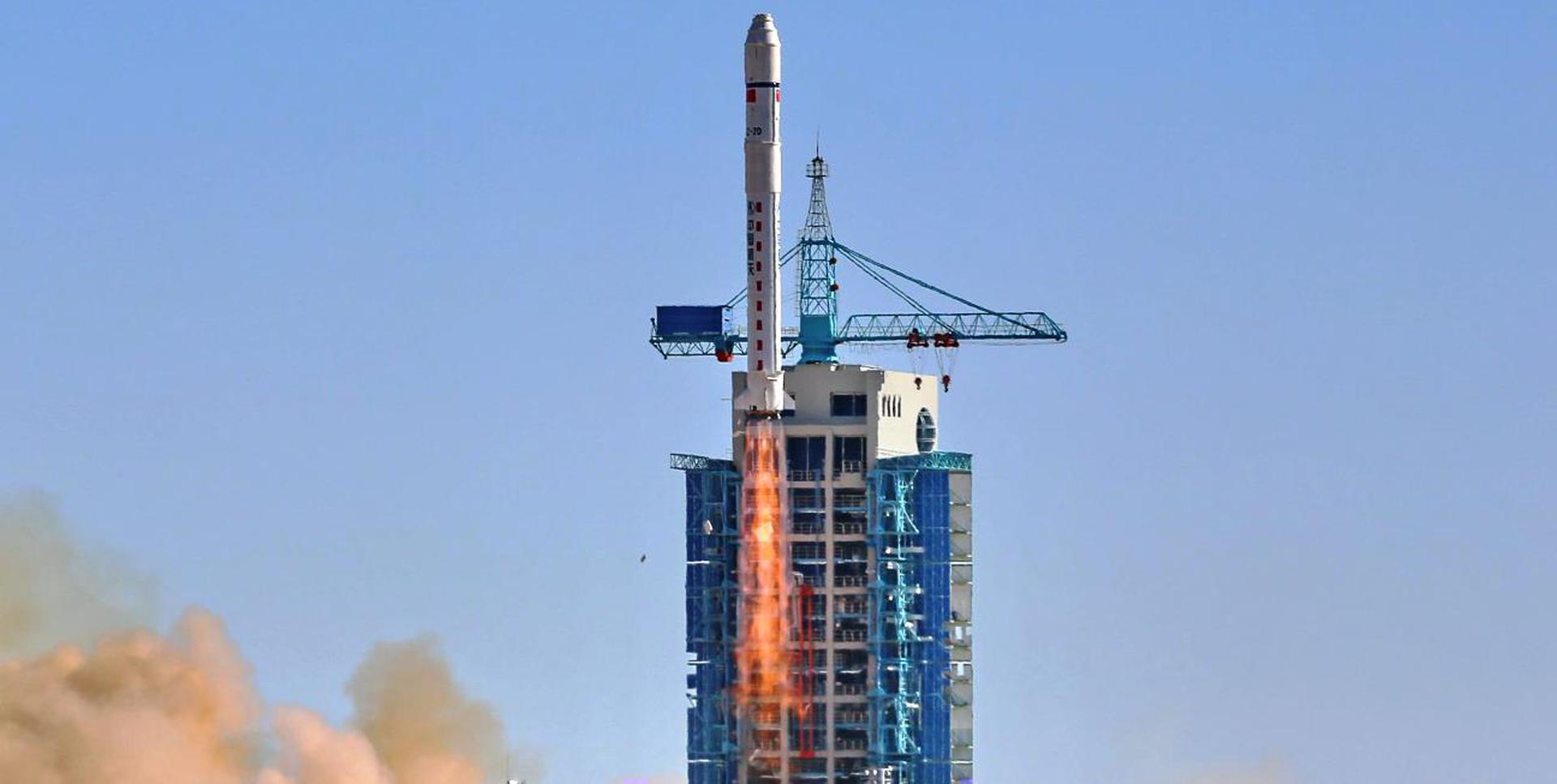
Upcoming entries: 1
Next listed: Long March 2D | Unknown Payload
Pads: Launch Complex 9
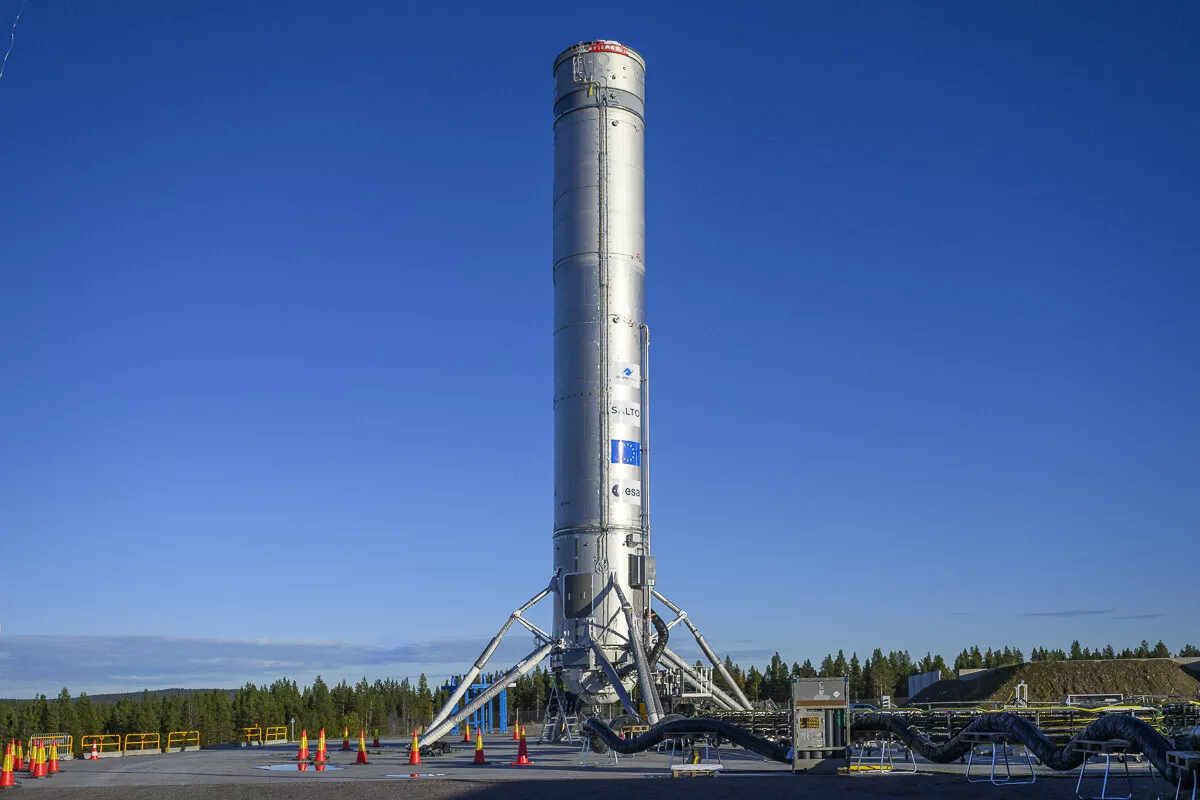
Upcoming entries: 1
Next listed: Themis Demonstrator | T1H-1
Pads: Launch Complex 3B
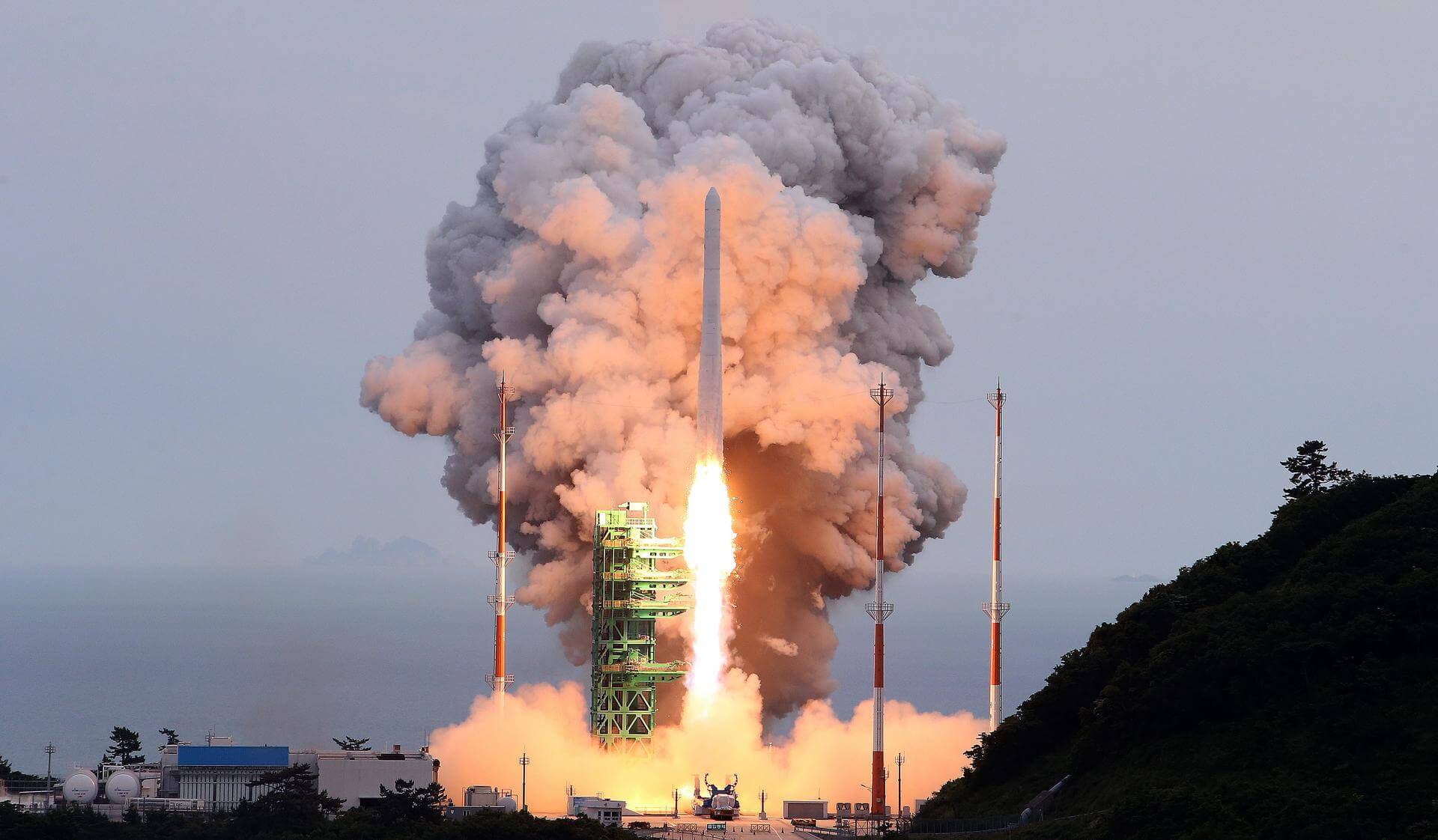
Upcoming entries: 1
Next listed: Nuri | NeonSat-2 to 6
Pads: LC-2
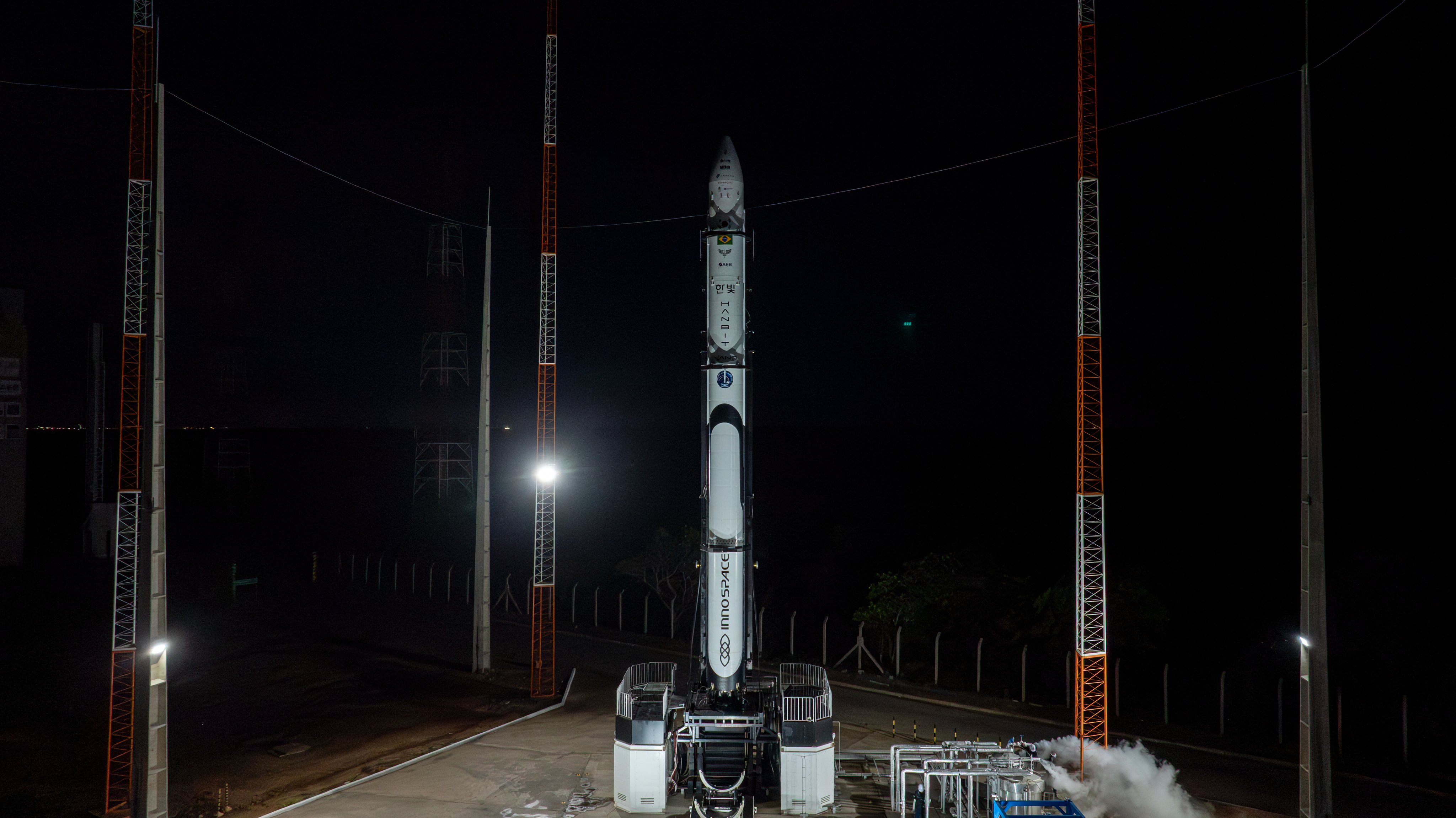
Upcoming entries: 1
Next listed: HANBIT-Nano | InnoSat-0
Pads: HANBIT Pad
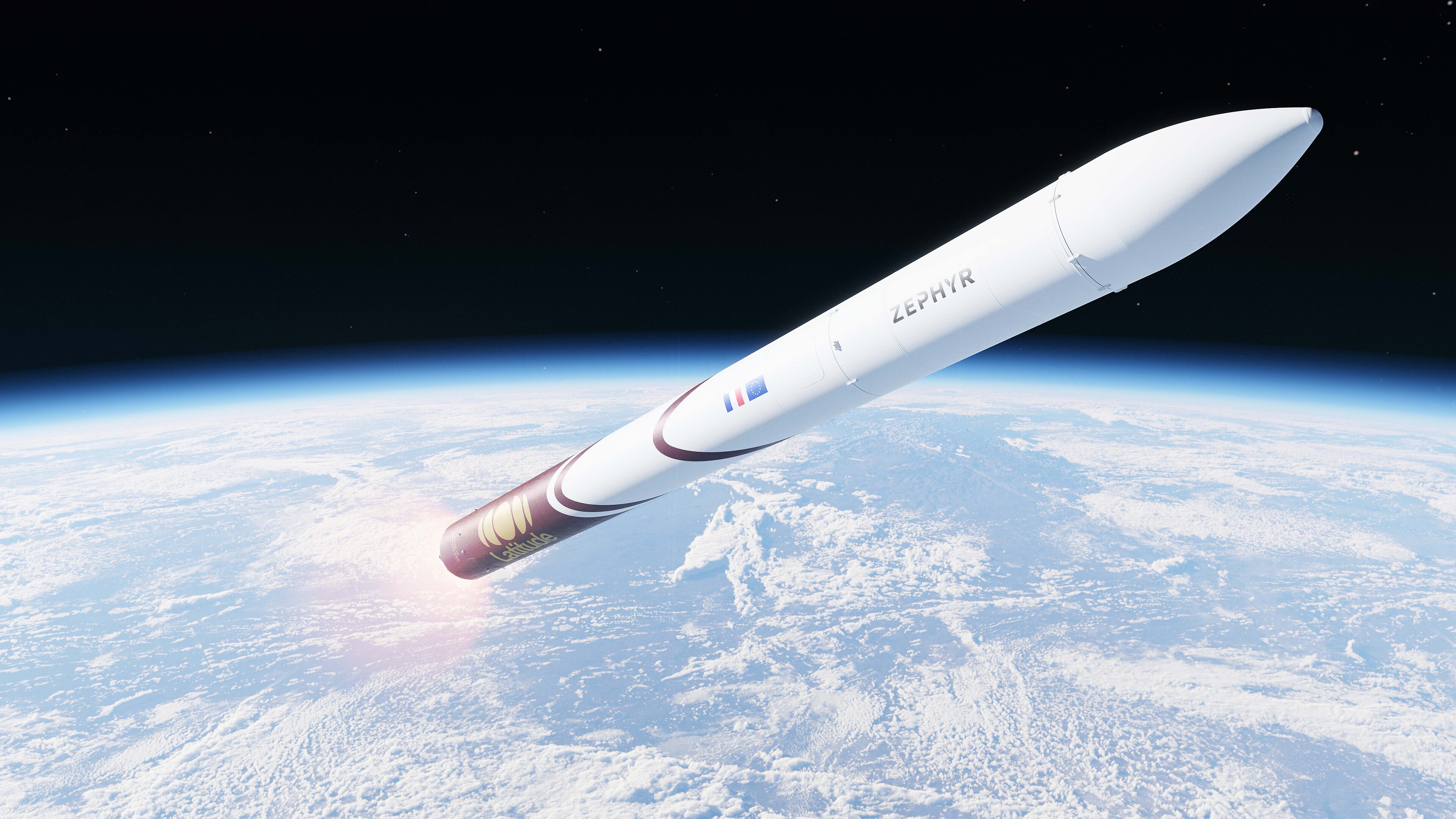
Upcoming entries: 1
Next listed: Zéphyr | Maiden Flight
Pads: Launch Complex 3
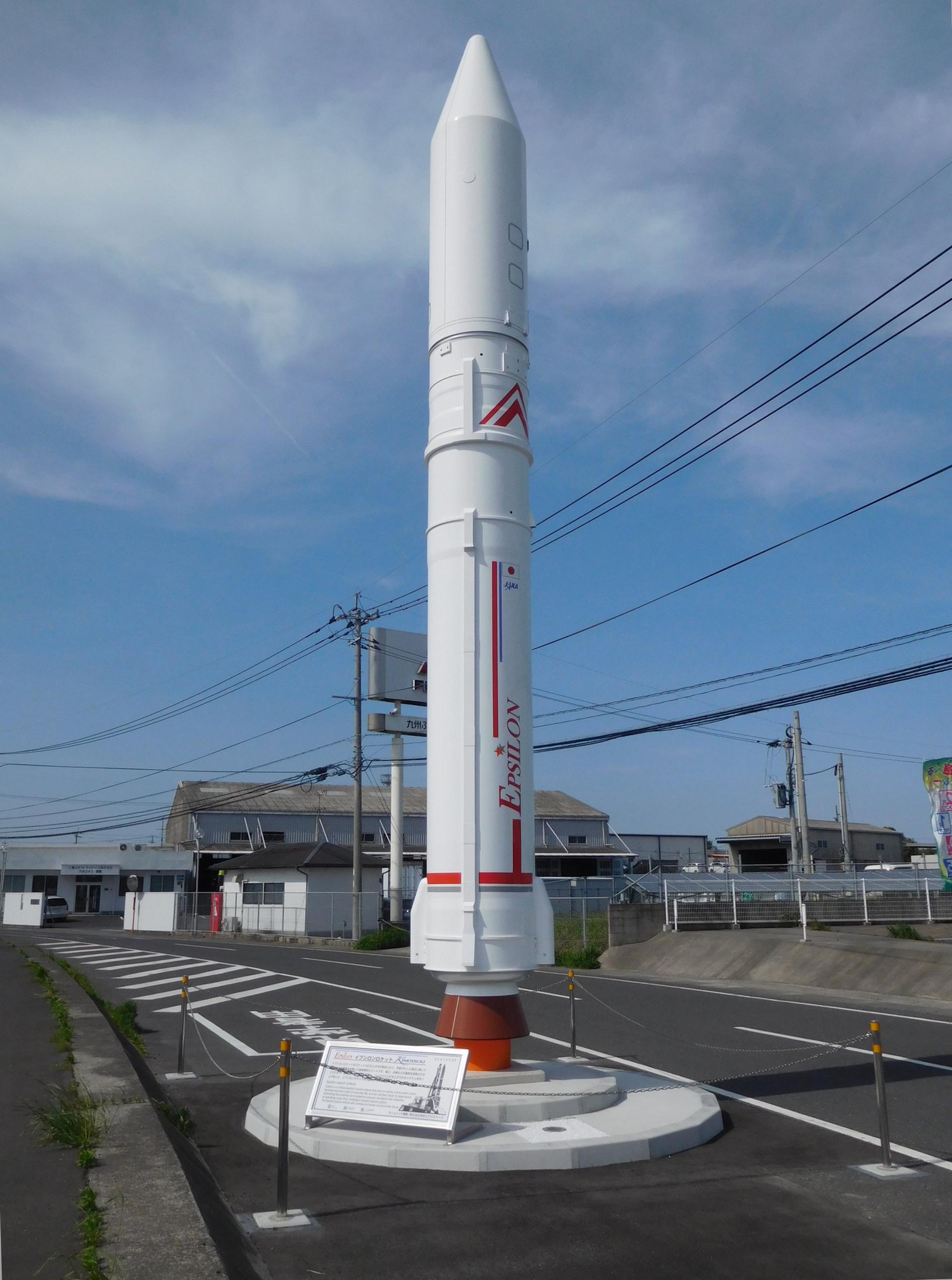
Upcoming entries: 1
Next listed: Epsilon S | JV-LOTUSat-1
Pads: Mu Center
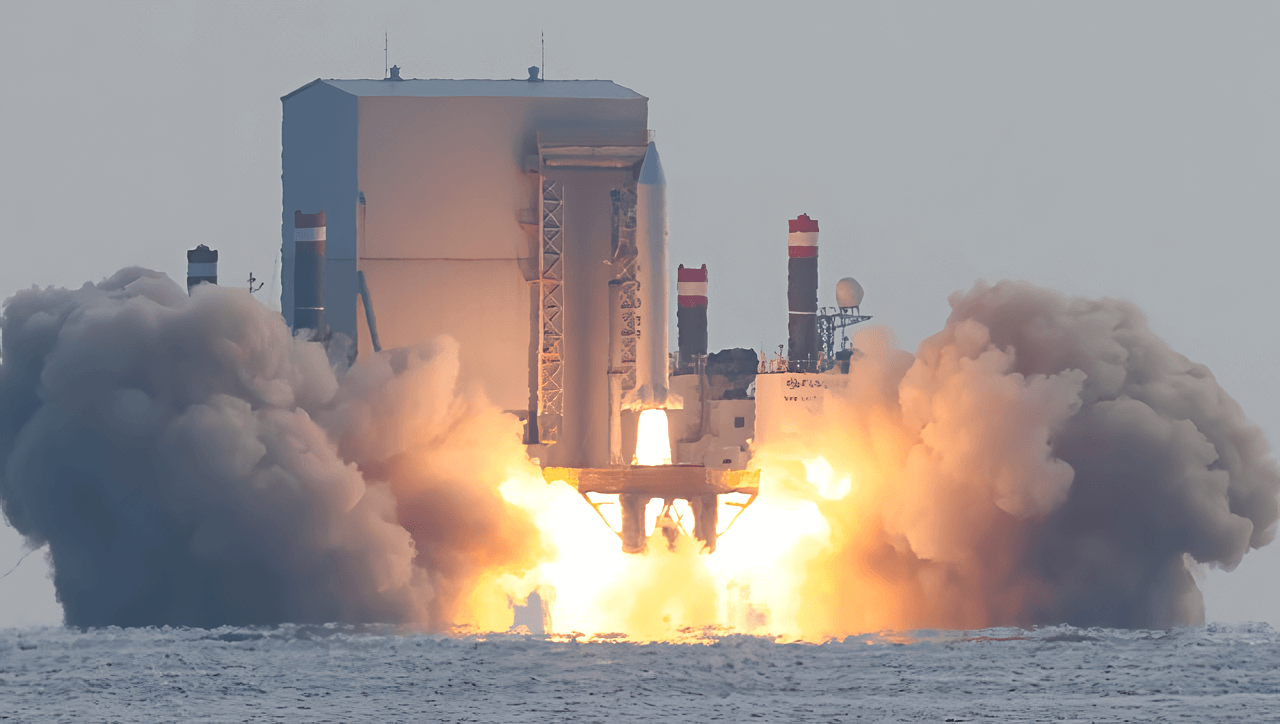
Upcoming entries: 1
Next listed: Mir | Demo Flight
Pads: ADD Offshore launch platform
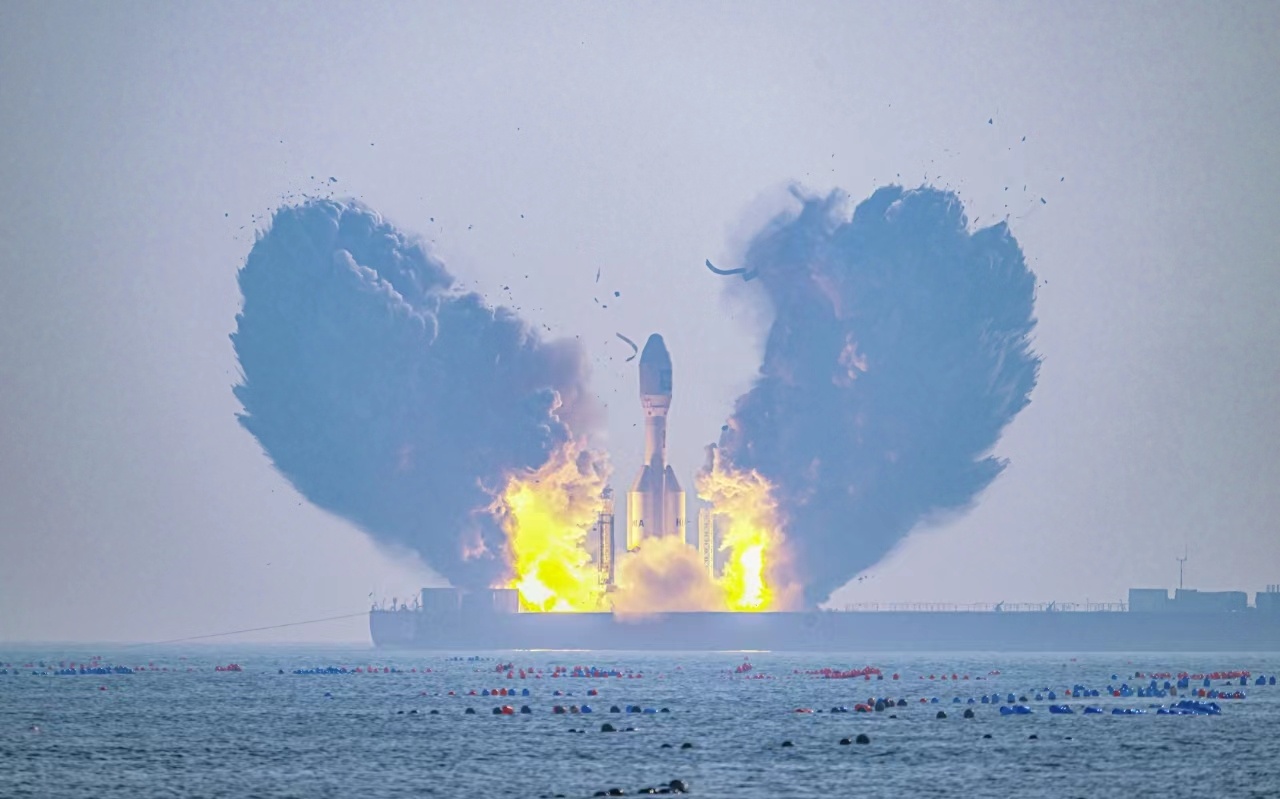
Upcoming entries: 1
Next listed: Nebula-1 | Demo Flight
Pads: Land Launch Pad 1
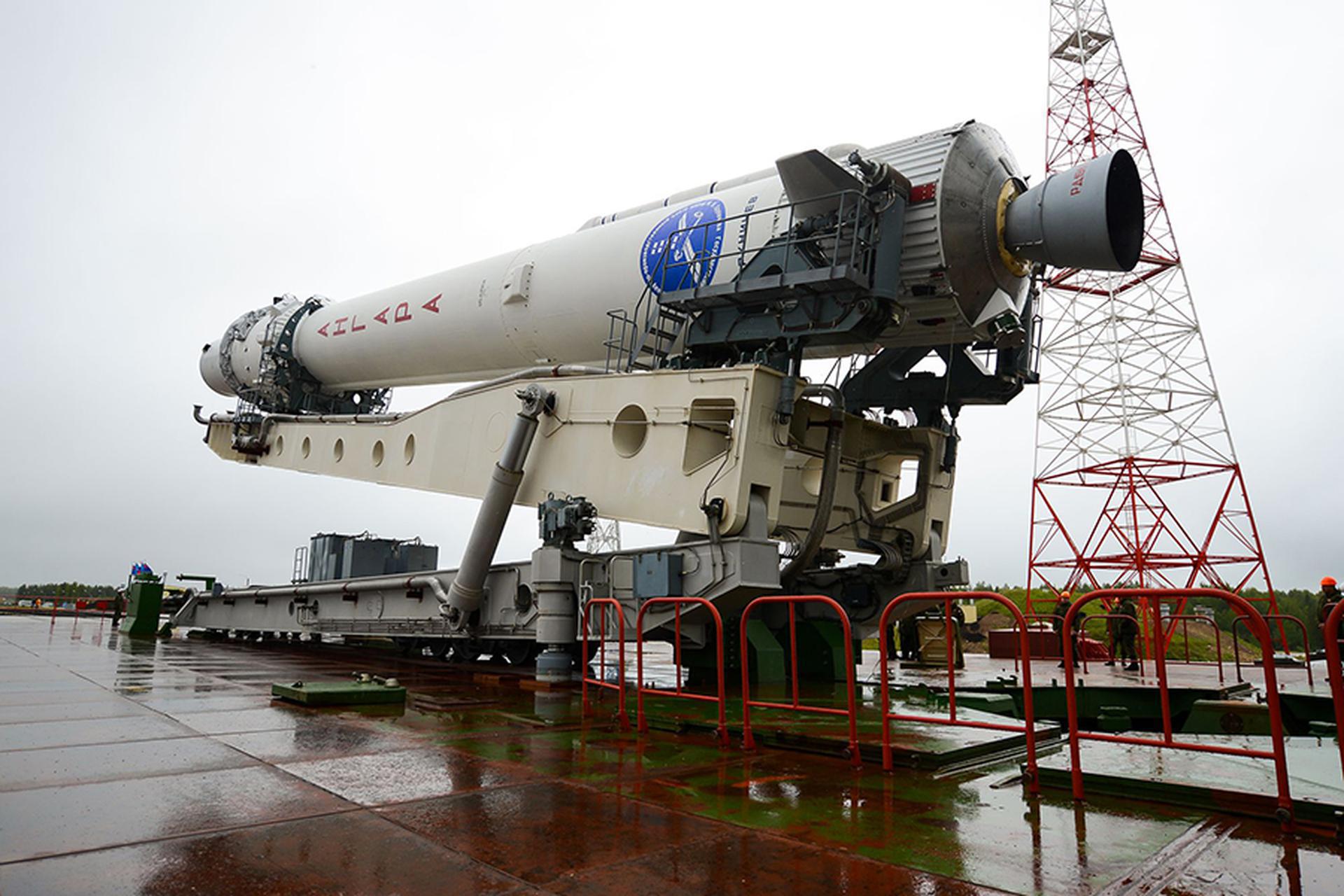
Upcoming entries: 1
Next listed: Angara 1.2 | Kosmos (Unknown Payload)
Pads: 35/1
This page groups launch pads and locations that appear in the current upcoming launch schedule. It is intentionally dynamic rather than a permanent historical encyclopedia of every spaceport. If a site has no mission in the current feed, it may not appear here; when new missions are scheduled from that site, it can return automatically.
Large spaceports often contain several pads, and a single pad can support many launches over time. The directory therefore shows the broader location together with pad names and counts of upcoming entries. This makes it easier to see where near-term launch activity is concentrated.
A spaceport is chosen for more than convenience. Latitude, desired orbital inclination, downrange safety, available tracking infrastructure, launch corridors, weather patterns and vehicle support facilities can all influence where a mission flies from. Polar and sun-synchronous missions often favour different corridors from low-inclination missions, while crewed programmes require specialised infrastructure.
The launch site can also affect what viewers see after liftoff. Ground tracks, staging zones and recovery areas differ by mission. SpaceTracker.live does not calculate viewing visibility from every launch site here, but the location data provides the foundation for understanding the mission’s geographic context.
Launch Library 2 records can include imagery for the launch event, pad and wider location. On normal launch cards, SpaceTracker.live prefers the mission-specific image, then uses pad or location imagery when needed. On this site directory, those same relationships help keep the launch complex visually connected to the missions using it.
Because several missions may share one pad, the same facility image can legitimately appear for multiple launches. That is different from random duplication: the fallback image is still tied to the actual pad or spaceport in the schedule.
The launch-site grouping is rebuilt from the live upcoming feed. Passed launch windows drop out, newly scheduled missions add their locations, and counts change as the manifest evolves. The server cache refreshes every fifteen minutes when required, and the browser pages periodically reload. No separate manual database of current spaceports is required for this view.
To see individual missions from those sites, use Rocket Launch Schedule. To identify the single nearest event, use Next Rocket Launch. The site page is best for geographic context, while the other tools are better for countdowns and mission-specific details.
If you are interested in a particular launch location, use this directory to identify whether that site currently has missions in the upcoming feed, then open the full schedule for individual dates and countdowns. A spaceport can remain operational even when it temporarily disappears from this page; disappearance only means that no matching upcoming mission is represented in the current data window.
Visitors planning to watch a launch in person should rely on official visitor guidance, closures and safety rules for the specific facility. SpaceTracker.live provides schedule and geographic context, not access permission. Launch ranges can establish exclusion zones, road closures or viewing restrictions that change from mission to mission.
The grouping on this page is regenerated from the same upcoming records used by the launch schedule, so its counts are not permanent statistics. A site with three scheduled missions today may show two after one launch window passes, and a different spaceport may appear when a newly announced mission enters the feed. This distinction matters: the numbers describe the current upcoming manifest, not the historical importance or total launch record of the spaceport. For historical totals, a dedicated statistics dataset would be required.
For satellite objects that have already reached orbit, use Recently Launched Satellites. For wider orbital tracking, open the Satellite Directory or the Deep Space section.
The page groups launch-pad and location names that appear in the current upcoming Launch Library 2 feed.
No. It is an upcoming-schedule view, so sites with no missions in the current feed may not appear.
Large launch complexes often contain multiple pads serving different rockets, operators or mission types.
Launch schedule and associated imagery: Launch Library 2, The Space Devs. SpaceTracker.live uses a shared server-side cache and retains image credits when provided by the source record.