LIVE ROCKET LAUNCHES

Rocket Launches

Track upcoming rocket launches worldwide with live schedule data, local launch times, countdowns, launch providers, rockets and launch sites.

NEXT SCHEDULED LAUNCH

Soyuz 2.1b | Progress MS-35 (96P)

02h 25m 03s
Rocket: Soyuz 2.1b
Provider: Russian Federal Space Agency (ROSCOSMOS)
Site: 31/6 · Baikonur Cosmodrome, Republic of Kazakhstan
Status: Go for Launch
Soyuz 2.1b | Progress MS-35 (96P) launch image
Live schedule: fresh. Data refreshes every 15 minutes; passed launch windows leave the upcoming list and newly scheduled missions are added automatically.

Upcoming launches

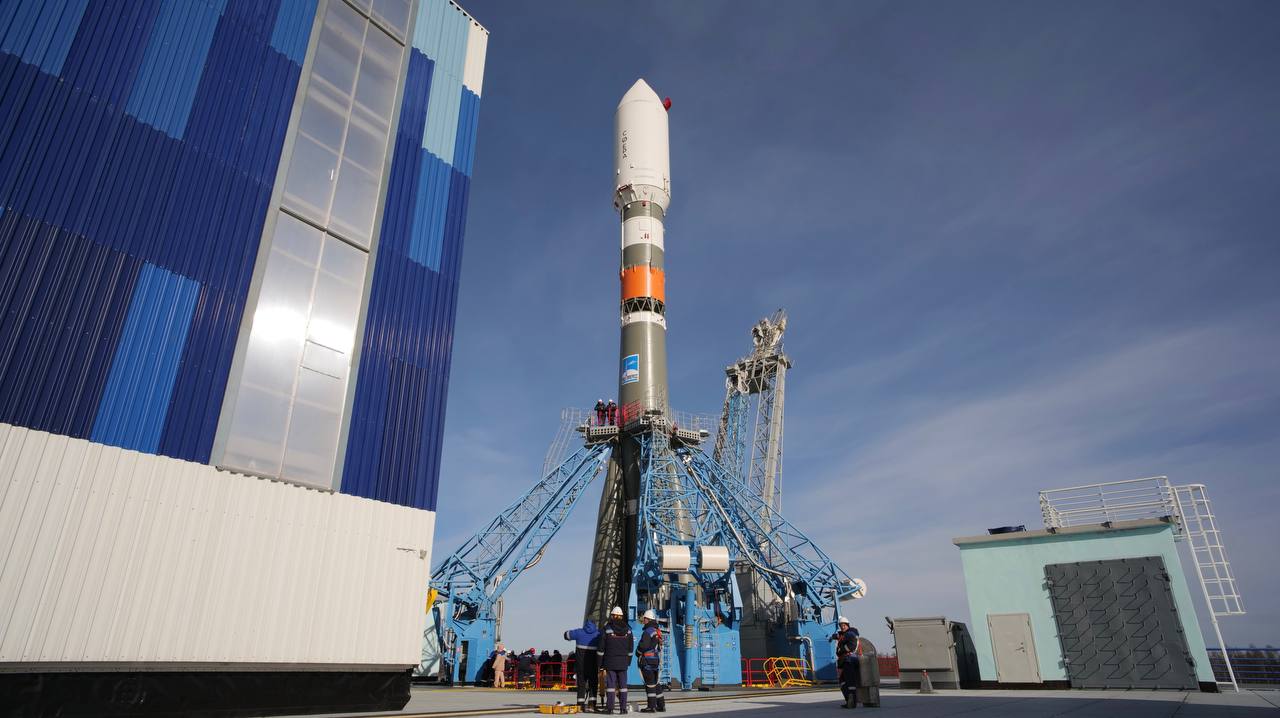
Soyuz 2.1b | Progress MS-35 (96P) launchImage: Roscosmos
Go for Launch

Soyuz 2.1b | Progress MS-35 (96P)

Rocket: Soyuz 2.1b
Provider: Russian Federal Space Agency (ROSCOSMOS)
Launch site: 31/6 · Baikonur Cosmodrome, Republic of Kazakhstan
Progress resupply mission to the International Space Station.
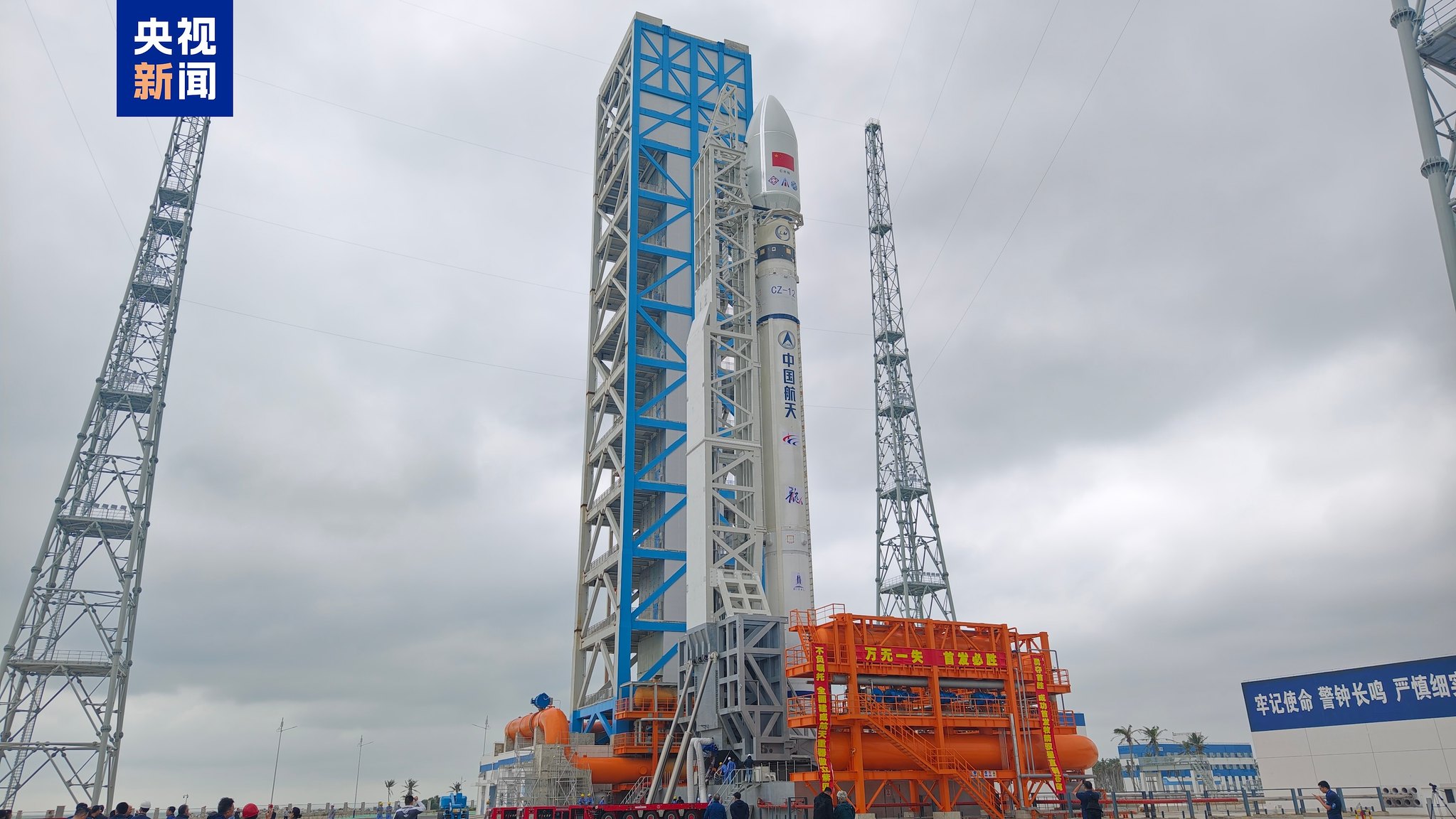
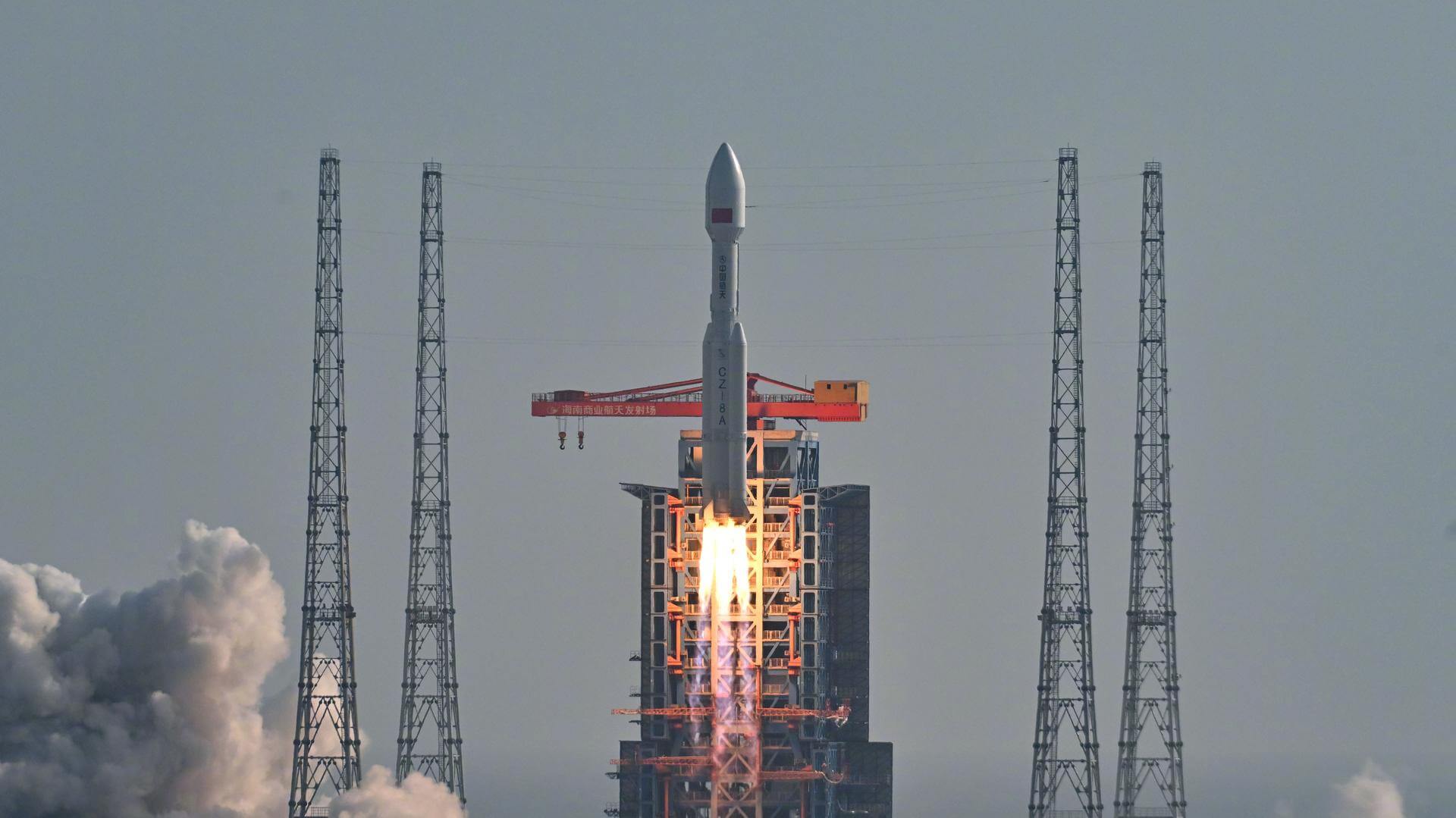
Long March 12 | Unknown Payload launchImage: Unknown
Go for Launch

Long March 12 | Unknown Payload

Rocket: Long March 12
Provider: China Aerospace Science and Technology Corporation
Launch site: Commercial LC-2 · Wenchang Space Launch Site, People's Republic of China
Details TBD.
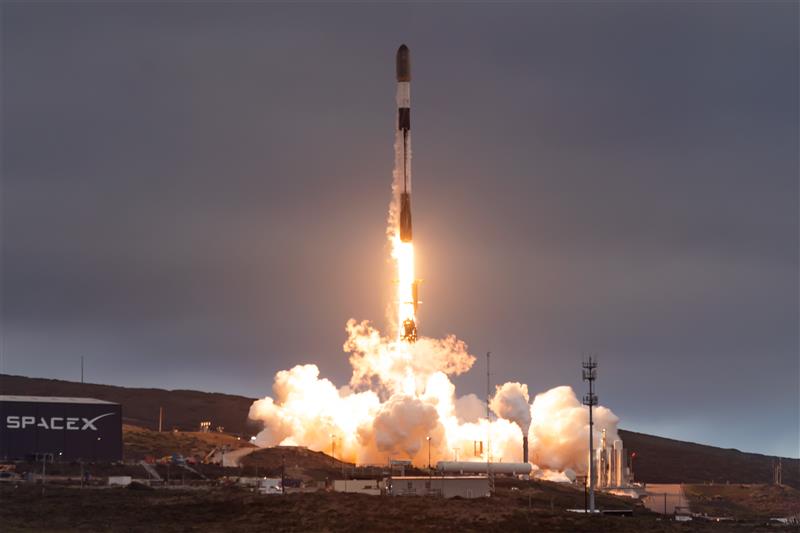
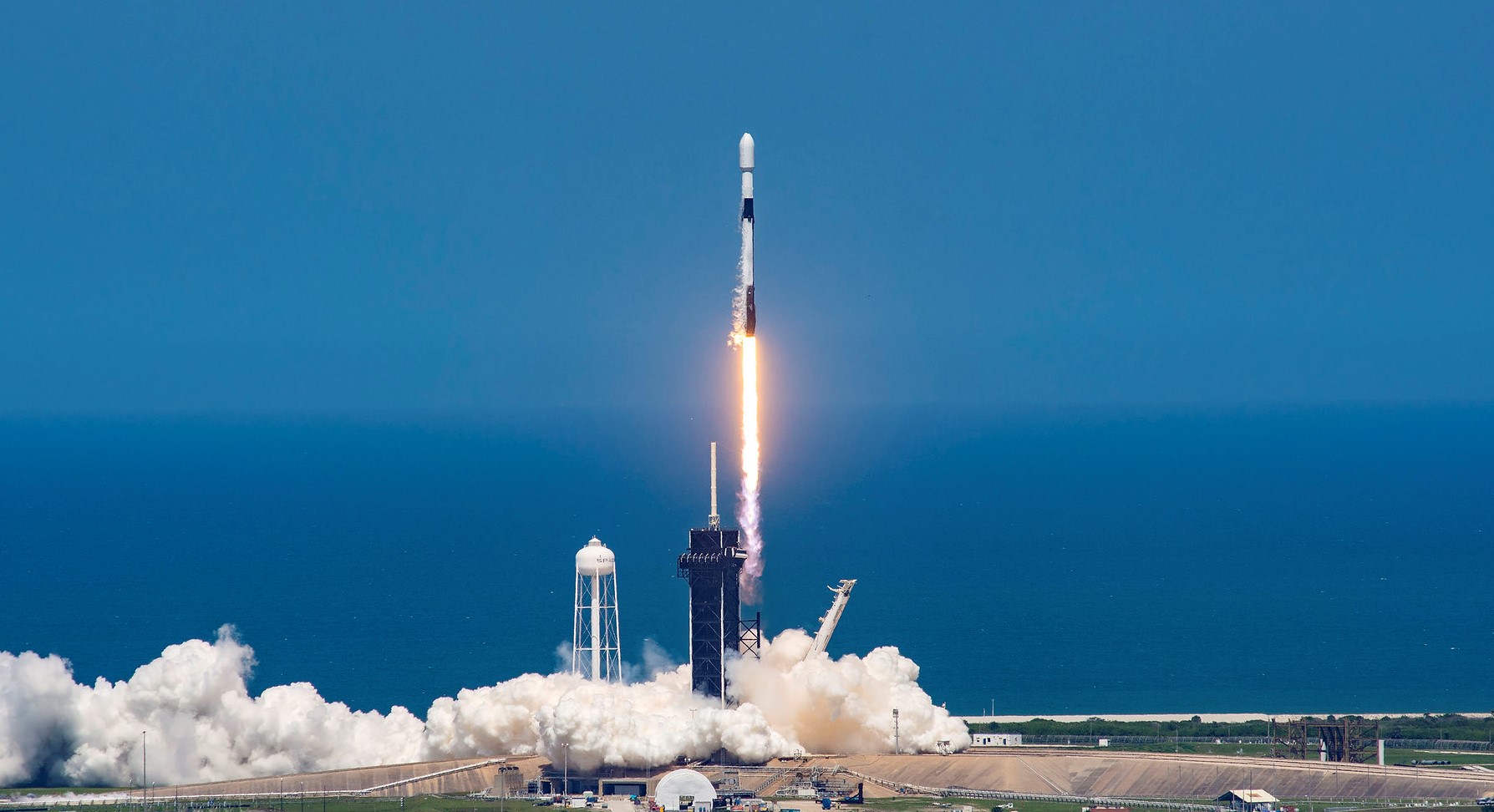
Falcon 9 Block 5 | USSF-259 launchImage: SpaceX
Go for Launch

Falcon 9 Block 5 | USSF-259

Rocket: Falcon 9 Block 5
Provider: SpaceX
Launch site: Space Launch Complex 4E · Vandenberg SFB, CA, USA
USSF-259 is a classified mission for the United States Space Force. It is possibly a batch of classified LEO satellites based on SpaceX’s Starshield satellite bus, based on locations of ascent rocket stage drop zones being fits with previous SDA Transport Layer launches.
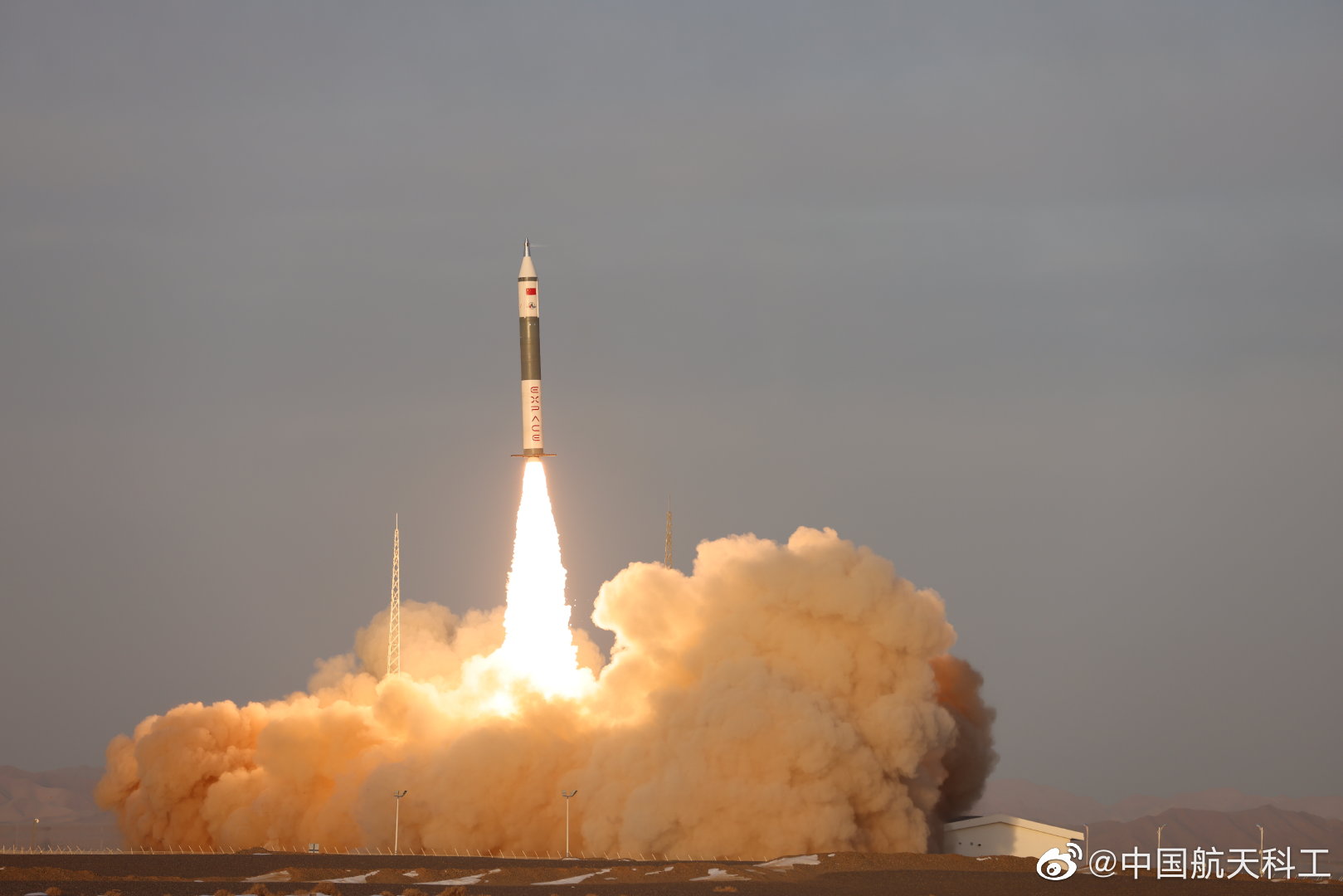
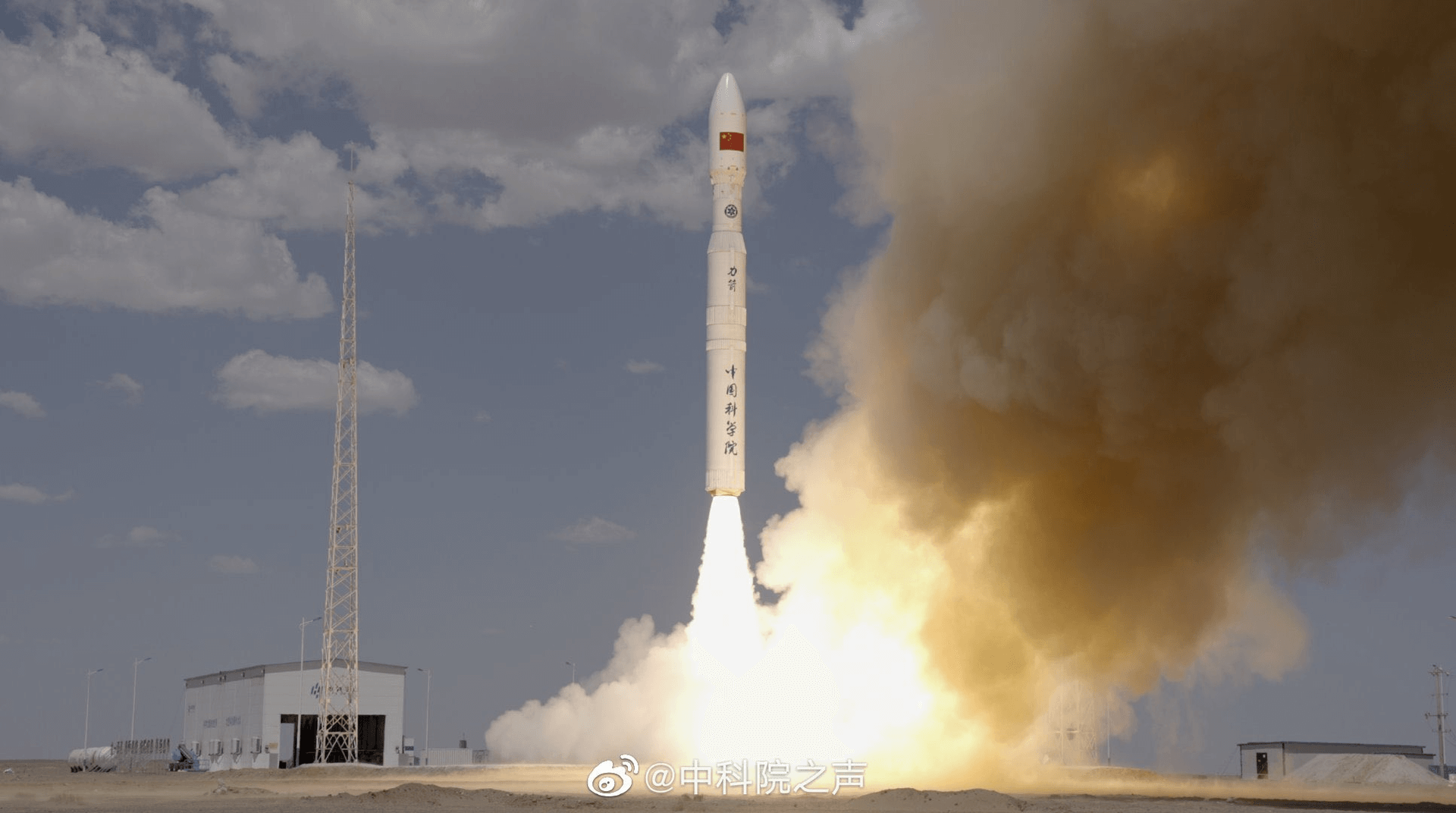
Kuaizhou 11 | Unknown Payload launchImage: 中国航天科工
Go for Launch

Kuaizhou 11 | Unknown Payload

Rocket: Kuaizhou 11
Provider: ExPace
Launch site: Launch Area 95A · Jiuquan Satellite Launch Center, People's Republic of China
Details TBD.
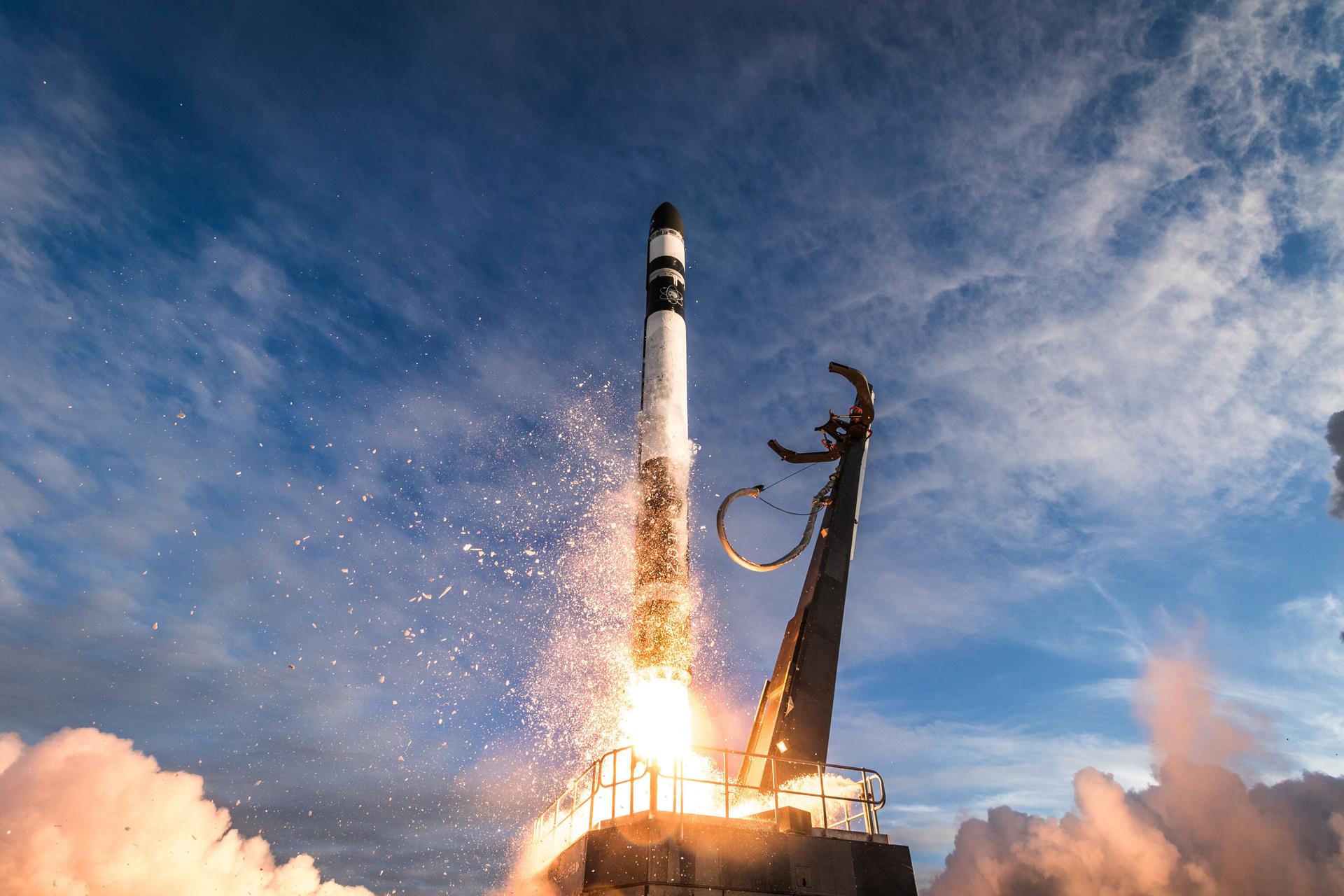
Electron | Owl By The Dozen (StriX Launch 12) launch
Go for Launch

Electron | Owl By The Dozen (StriX Launch 12)

Rocket: Electron
Provider: Rocket Lab
Launch site: Unknown Pad · Rocket Lab Launch Complex 1, Mahia Peninsula, New Zealand
Synthetic aperture radar satellite for Japanese Earth imaging company Synspective.
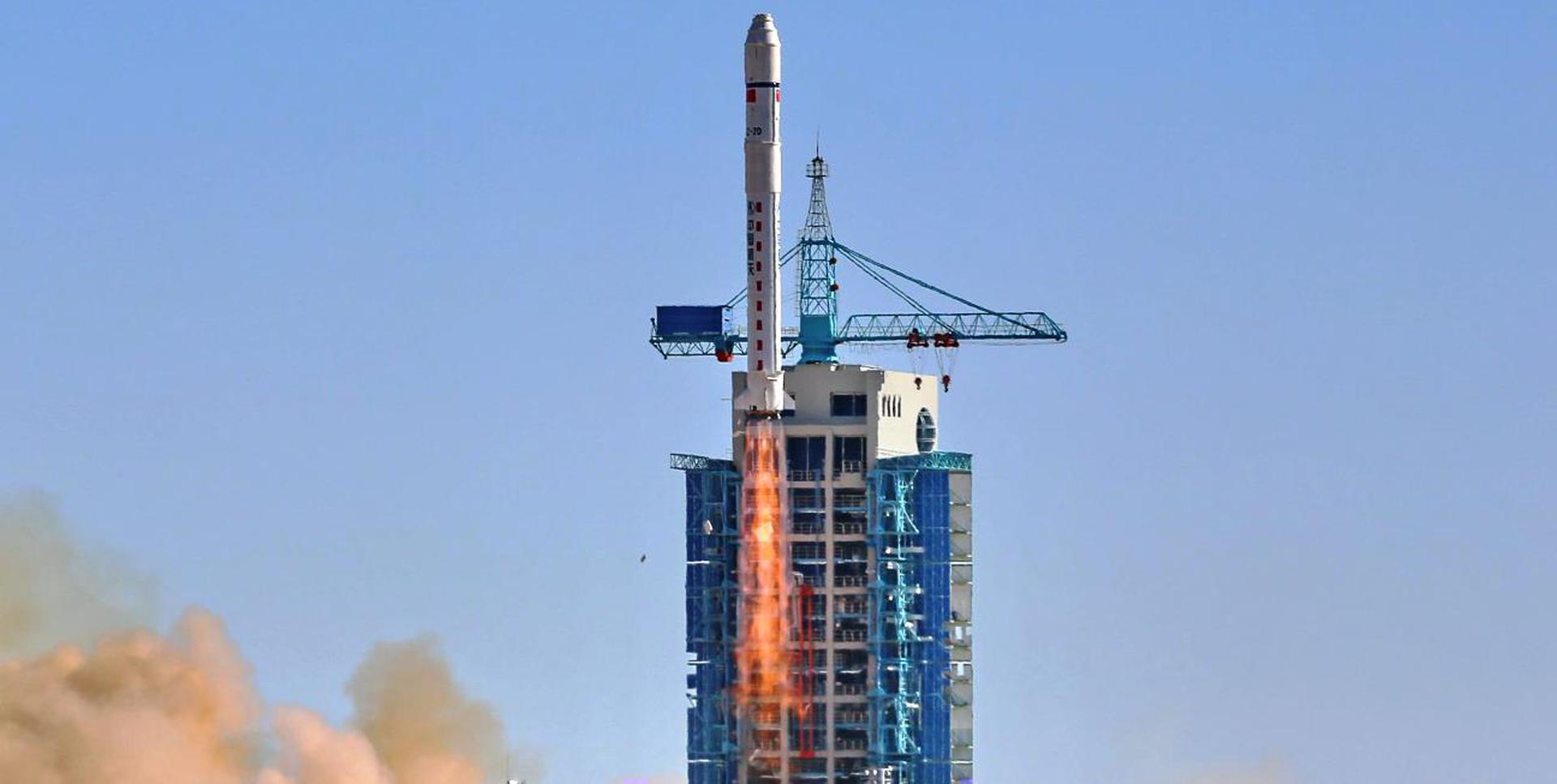
Long March 2D | Unknown Payload launch
Go for Launch

Long March 2D | Unknown Payload

Rocket: Long March 2D
Provider: China Aerospace Science and Technology Corporation
Launch site: Launch Complex 9 · Taiyuan Satellite Launch Center, People's Republic of China
Details TBD.
Falcon 9 Block 5 | Starlink Group 15-27 launchImage: SpaceX
Go for Launch

Falcon 9 Block 5 | Starlink Group 15-27

Rocket: Falcon 9 Block 5
Provider: SpaceX
Launch site: Space Launch Complex 4E · Vandenberg SFB, CA, USA
A batch of 27 satellites for the Starlink mega-constellation - SpaceX's project for space-based Internet communication system.
Kinetica 1 | Unknown Payload launch
Go for Launch

Kinetica 1 | Unknown Payload

Rocket: Kinetica 1
Provider: CAS Space
Launch site: Launch Area 130 · Jiuquan Satellite Launch Center, People's Republic of China
Details TBD.
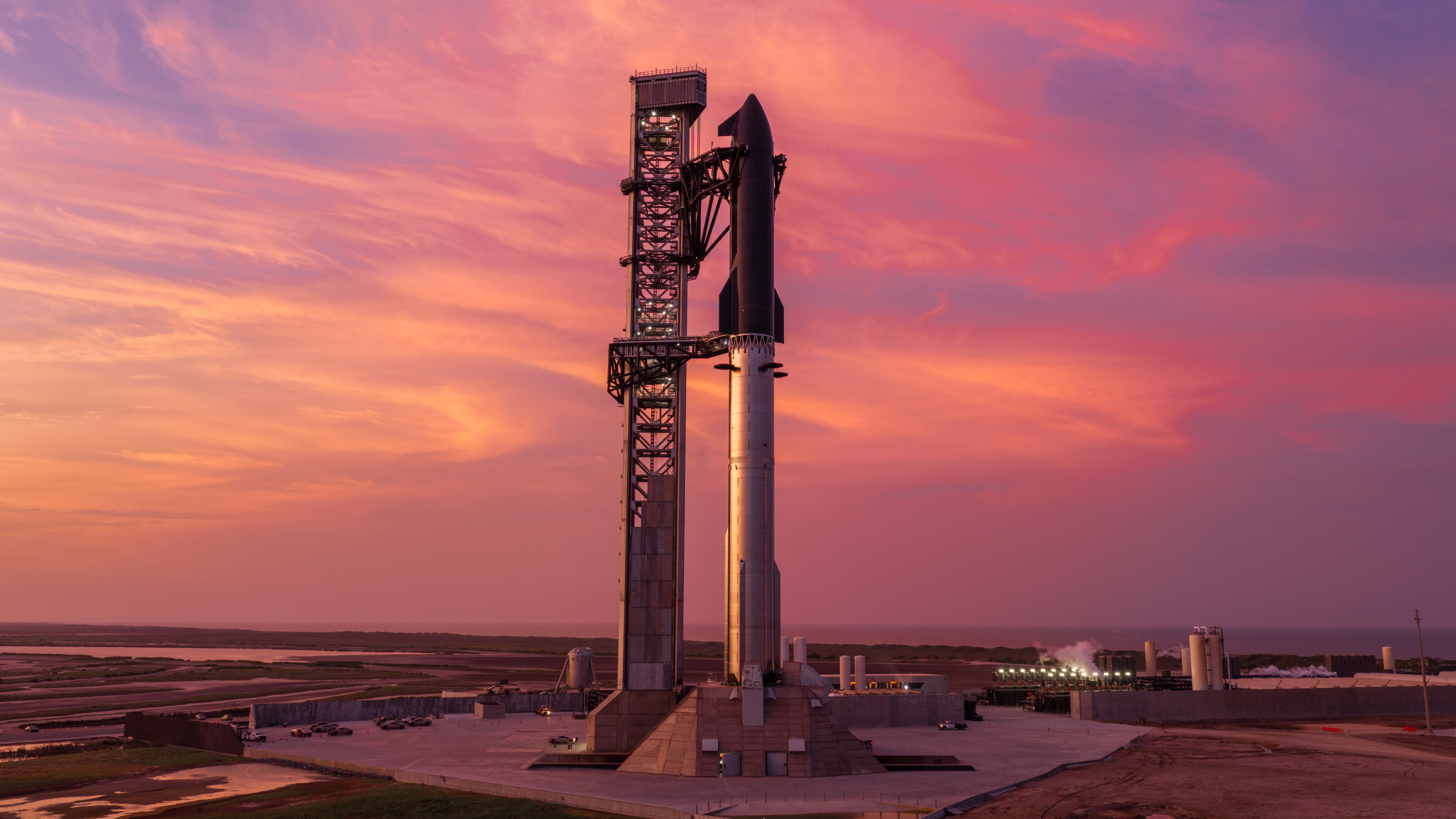
Starship | Flight 14 launchImage: SpaceX
Go for Launch

Starship | Flight 14

Rocket: Starship V3
Provider: SpaceX
Launch site: Orbital Launch Pad 2 · SpaceX Starbase, TX, USA
14th test flight of the two-stage Starship launch vehicle. 3rd flight of Starship V3 and the first Starship flight to deploy satellites (a group of Starlink satellites) into stable Low Earth Orbit. The ship is expected to fly at an altitude approximately 275 km above Earth and complete approximately 6 orbits around the planet for nearly 10 hours, with splashdown targeted in the Pacific Ocean west of Chile. The booster’s primary test objective on Flight 14 will be executing a successful launch, ascent, stage separation, boostback burn, and landing burn at an offshore landing point in the Gulf. Starship will deliver 26 Starlink V3 satellites to orbit for the first time, which aim to greatly expand the network's capacity and user speeds. Each Starlink V3 satellite will add 1 Tbps of capacity to the constellation.
Falcon 9 Block 5 | USSF-xxx ("R-3") launchImage: SpaceX
To Be Confirmed

Falcon 9 Block 5 | USSF-xxx ("R-3")

Rocket: Falcon 9 Block 5
Provider: SpaceX
Launch site: Space Launch Complex 4E · Vandenberg SFB, CA, USA
Note: Official USSF designation to be confirmed. A classified mission for the United States Space Force. It is possibly a batch of classified LEO satellites based on SpaceX’s Starshield satellite bus, based on locations of rocket stage drop zones being exact fits with previous Starlink Group 15 launches.
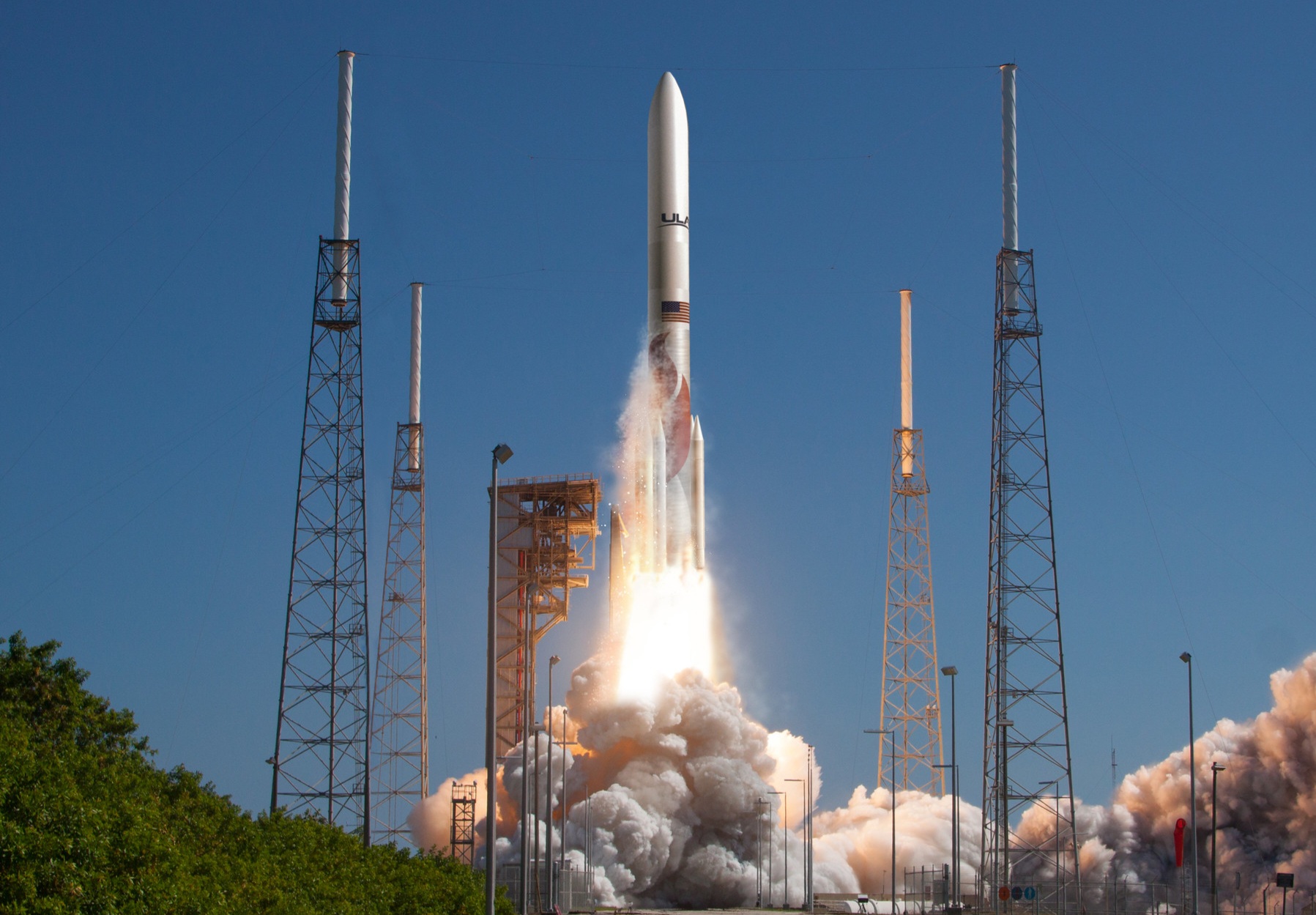
Vulcan VC6L | Amazon Leo (LV-01) launchImage: United Launch Alliance
To Be Determined

Vulcan VC6L | Amazon Leo (LV-01)

Rocket: Vulcan VC6L
Provider: United Launch Alliance
Launch site: Space Launch Complex 41 · Cape Canaveral SFS, FL, USA
Amazon Leo, formerly known as Project Kuiper, is a mega constellation of satellites in Low Earth Orbit that will offer broadband internet access, this constellation will be managed by Kuiper Systems LLC, a subsidiary of Amazon. This constellation is planned to be composed of 3,276 satellites. The satellites are projected to be placed in 98 orbital planes in three orbital layers, one at 590 km, 610 km and 630 km altitude. 45 satellites will be carried on each Vulcan launch.
Falcon 9 Block 5 | SDA Tranche 1 Transport Layer A launchImage: SpaceX
To Be Determined

Falcon 9 Block 5 | SDA Tranche 1 Transport Layer A

Rocket: Falcon 9 Block 5
Provider: SpaceX
Launch site: Space Launch Complex 4E · Vandenberg SFB, CA, USA
Tranche 1 Transport Layer A is one of six missions by the United States Space Force Space Development Agency (SDA) for the Proliferated Warfighter Space Architecture (PWSA) Tranche 1 Transport Layer constellation, which will provide assured, resilient, low-latency military data and connectivity worldwide to the full range of warfighter platforms from Low Earth Orbit satellites. The constellation will be interconnected with Optical Inter-Satellite Links (OISLs) which have significantly increased performance over existing radio frequency crosslinks. It is expected to operate over Ka band, have stereo coverage and be dynamically networked for simpler hand-offs, greater bandwidth and fault tolerance. This launch carries 21 satellites manufactured by Northrop Grumman.
Long March 8A | Unknown Payload launchImage: CASC
To Be Determined

Long March 8A | Unknown Payload

Rocket: Long March 8A
Provider: China Aerospace Science and Technology Corporation
Launch site: Commercial LC-1 · Wenchang Space Launch Site, People's Republic of China
Details TBD.
Electron | BlackSky Gen-3 6 launch
To Be Determined

Electron | BlackSky Gen-3 6

Rocket: Electron
Provider: Rocket Lab
Launch site: Unknown Pad · Rocket Lab Launch Complex 1, Mahia Peninsula, New Zealand
BlackSky Gen-3 Earth-imaging satellites
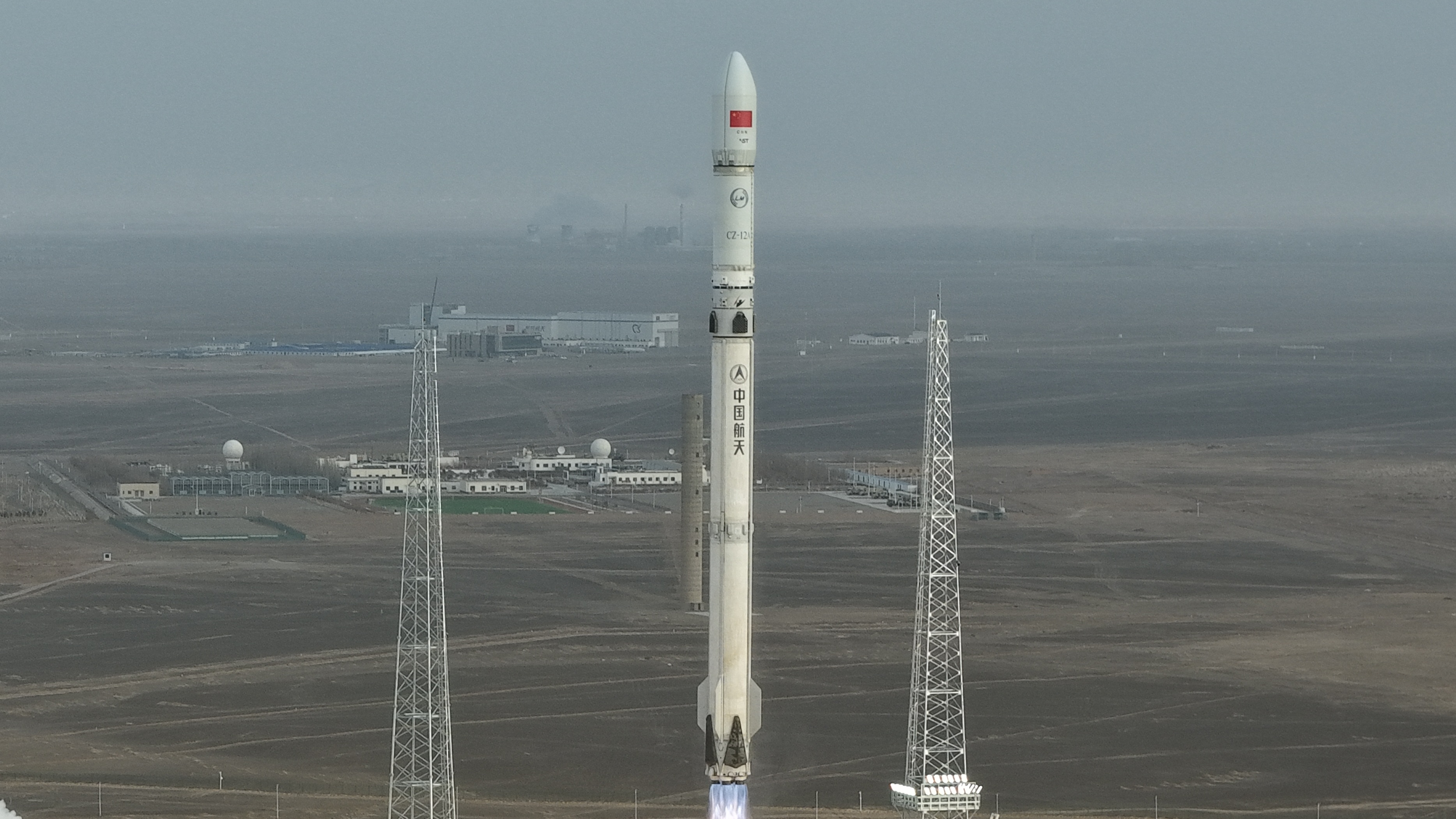
Long March 12A | Flight 2 launchImage: CASC
To Be Determined

Long March 12A | Flight 2

Rocket: Long March 12A
Provider: China Aerospace Science and Technology Corporation
Launch site: Long March 12 series Pad · Jiuquan Satellite Launch Center, People's Republic of China
Second test launch of CASC/SAST’s Long March 12A rocket. Payload identities are TBD.
Electron | LOXSAT 1 launch
To Be Determined

Electron | LOXSAT 1

Rocket: Electron
Provider: Rocket Lab
Launch site: Unknown Pad · Rocket Lab Launch Complex 1, Mahia Peninsula, New Zealand
LOXSAT 1 is a demonstration satellite of a complete cryogenic oxygen fluid management system in orbit, developed by Eta Space and sponsored by NASA's Tipping Point program. The system will be integrated on a Rocket Lab Photon-LEO satellite bus and collect critical cryogenic fluid management data in orbit for 9 months, demonstrating capabilities of in-space cryogenic storage and transferal. Eta Space plans to use technology developed for this mission to develop a truly commercial depot intended to serve multiple customers in the future.
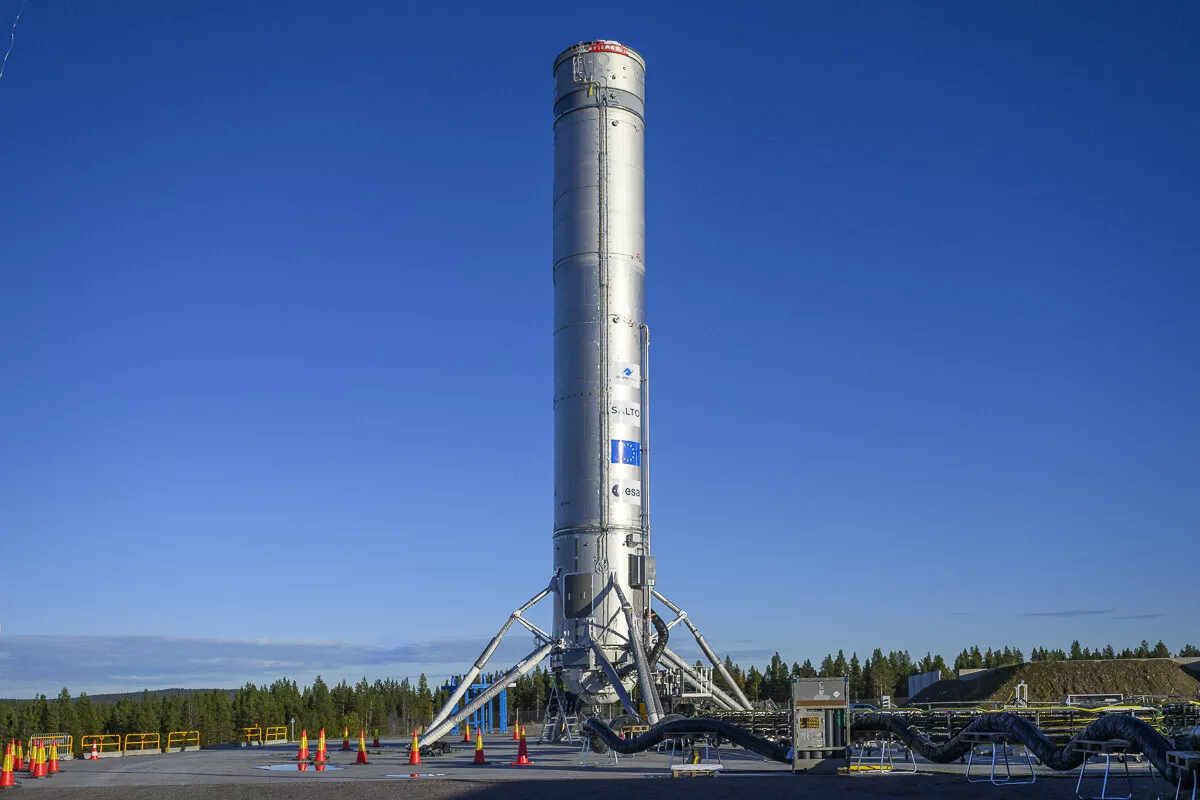
Themis Demonstrator | T1H-1 launchImage: ArianeGroup
To Be Determined

Themis Demonstrator | T1H-1

Rocket: Themis Demonstrator
Provider: European Space Agency
Launch site: Launch Complex 3B · Esrange Space Center
First low-altitude hop test of a Themis demonstrator, with a targeted altitude up to 100 m.
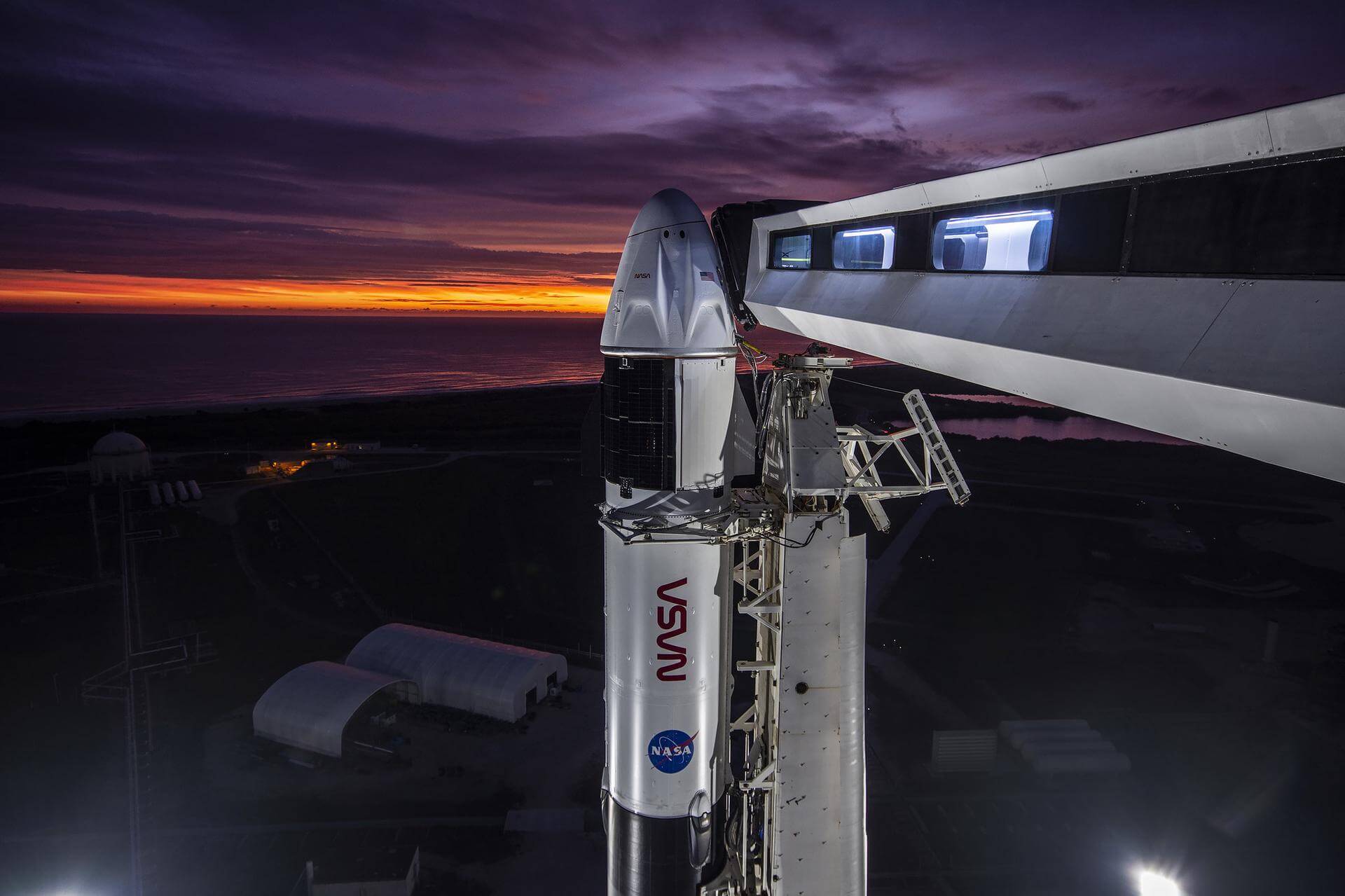
Falcon 9 Block 5 | Crew-13 launchImage: SpaceX
To Be Determined

Falcon 9 Block 5 | Crew-13

Rocket: Falcon 9 Block 5
Provider: SpaceX
Launch site: Space Launch Complex 40 · Cape Canaveral SFS, FL, USA
SpaceX Crew-13 is the thirteenth crewed operational flight of a Crew Dragon spacecraft to the International Space Station as part of NASA's Commercial Crew Program.
No matching launch is currently listed for this local time window. Open the full launch schedule →

About Rocket Launches

How the live rocket launch schedule works

Rocket launch schedules are living operational plans rather than fixed timetables. A mission may begin with only a target quarter, later move to a target month or day, and eventually receive a precise launch window. SpaceTracker.live keeps the currently published time and status visible so visitors can distinguish a firm countdown from an approximate planning date. The schedule is intended for practical tracking: what is launching, which rocket is assigned, who is providing the launch service, where the vehicle will lift off, and how long remains until the current target.

The launch list is drawn from Launch Library 2, a global spaceflight database maintained by The Space Devs. SpaceTracker.live requests the upcoming feed on the server, stores one shared copy for fifteen minutes, and serves that cached copy to normal visitors. This design keeps the pages fast and avoids unnecessary calls to the public data service. When the cache expires, the next request refreshes it. Pages left open in a browser also reload automatically on the same interval so a changed launch time, newly added mission or revised status can appear without the user manually rebuilding the page.

Why launches move, slip or disappear

A launch can move even after a precise T-0 has been announced. Weather is one of the most visible causes, but mission teams also evaluate rocket health, payload readiness, tracking assets, range safety, airspace and maritime restrictions, ground systems, recovery conditions and orbital requirements. A hold can become a short delay, a scrub to the next available window, or a postponement lasting days or weeks. Because of that, the countdown on this site should always be understood as the countdown to the latest scheduled time, not a guarantee that ignition will happen when the clock reaches zero.

When a launch window has passed, SpaceTracker.live removes that event from the upcoming cards and promotes the next future mission. If the upstream schedule changes a mission to a later date, the refreshed feed follows the revised date. New scheduled launches are added automatically when they appear in the source feed. This is different from the Recently Launched Satellites section, which deals with objects that have already reached orbit and have begun appearing in orbital catalogs.

Images, local time and mission context

Each launch card uses imagery supplied with the live launch record whenever available. The first choice is the launch-specific image; if that is missing, the page can fall back to an image associated with the launch pad, launch location or provider. This keeps the schedule visual while still tying the picture to the actual mission environment rather than inserting unrelated stock photography. Image credits are displayed when the source record provides them.

Times are stored as international timestamps but displayed in the timezone configured on the visitor’s device. That matters because a launch from Florida, India, French Guiana, Japan or New Zealand can fall on a different calendar day for viewers elsewhere. The Today and This Week tools therefore use the visitor’s local clock after the page loads. If you are planning to watch a launch live, check the page again near liftoff because a small schedule adjustment can change both the local time and, around midnight, the local date.

Using the Rocket Launches tools together

The Next Rocket Launch page is the quickest way to see the nearest scheduled event and its countdown. Rocket Launch Schedule gives the broader global list. Launches Today and Launches This Week are useful for short-range planning, while the SpaceX, NASA, ISRO and Starship pages narrow the feed to a particular programme or organisation. Rocket Launch Sites groups spaceports and pads represented in the upcoming schedule so you can see where current launch activity is concentrated.

After liftoff, the useful tool often changes. A launch event may deploy one spacecraft, dozens of small satellites or a crewed vehicle. Once catalogued orbital objects become available, use the Satellite Directory and Recently Launched Satellites pages for Earth-orbit tracking. For spacecraft leaving Earth orbit, the Deep Space section is the better place to follow mission progress. In this way the Rocket Launches category covers the pre-launch and liftoff phase while the rest of SpaceTracker.live continues the story after deployment.

For satellite objects that have already reached orbit, use Recently Launched Satellites. For wider orbital tracking, open the Satellite Directory or the Deep Space section.

Frequently asked questions

Where does the rocket launch schedule come from?

SpaceTracker.live uses Launch Library 2 data from The Space Devs. A shared 15-minute cache keeps the schedule current while respecting the public API rate limit.

Are rocket launch dates final?

No. Launch dates and times can move because of weather, technical readiness, range availability and mission requirements. Always treat the latest displayed time as scheduled rather than guaranteed.

Does SpaceTracker.live show launch times in my timezone?

Yes. Valid launch timestamps are converted in your browser to the timezone configured on your device.

Is Recently Launched Satellites the same page?

No. Rocket Launches covers launch events and missions. The existing Recently Launched Satellites page lists spacecraft that have already entered the satellite catalog.

Launch schedule and associated imagery: Launch Library 2, The Space Devs. SpaceTracker.live uses a shared server-side cache and retains image credits when provided by the source record.