LIVE ROCKET LAUNCHES

Rocket Launches This Week

See rocket launches scheduled over the next seven days, including local launch times, rockets, mission providers and launch sites worldwide.

NEXT SCHEDULED LAUNCH

Soyuz 2.1b | Progress MS-35 (96P)

02h 23m 41s
Rocket: Soyuz 2.1b
Provider: Russian Federal Space Agency (ROSCOSMOS)
Site: 31/6 · Baikonur Cosmodrome, Republic of Kazakhstan
Status: Go for Launch
Soyuz 2.1b | Progress MS-35 (96P) launch image
Live schedule: fresh. Data refreshes every 15 minutes; passed launch windows leave the upcoming list and newly scheduled missions are added automatically.

Upcoming launches

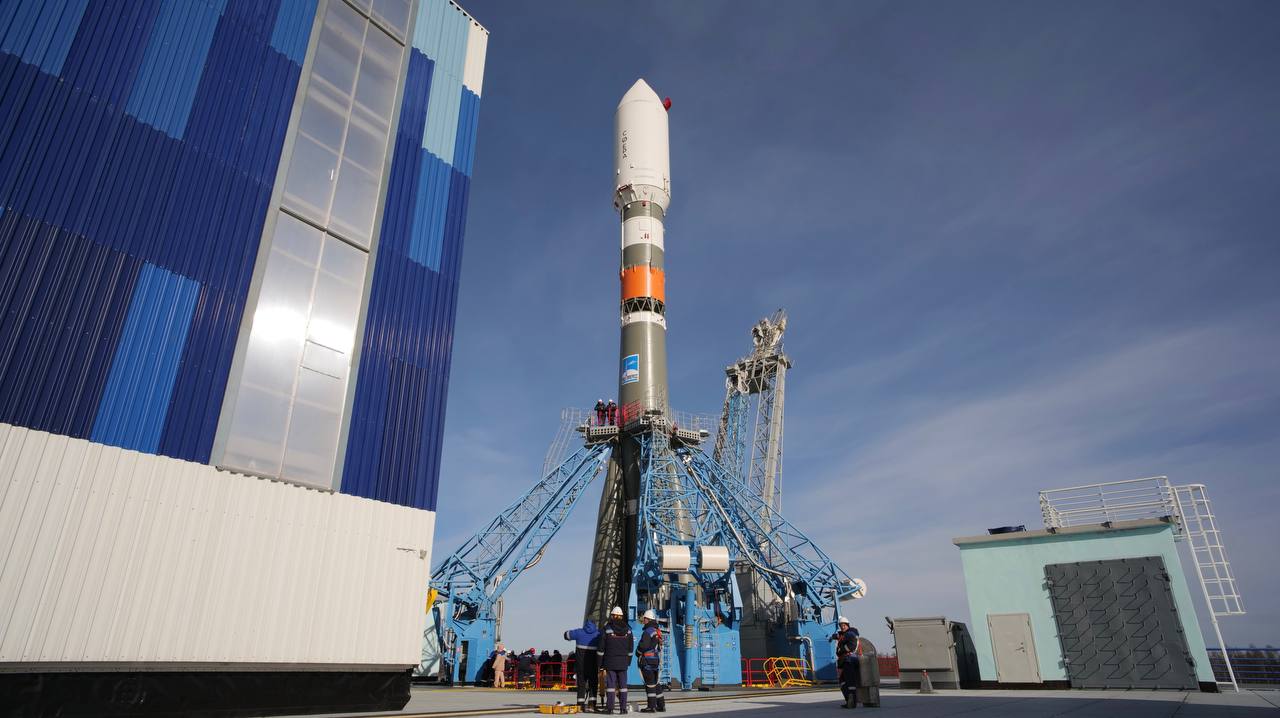
Soyuz 2.1b | Progress MS-35 (96P) launchImage: Roscosmos
Go for Launch

Soyuz 2.1b | Progress MS-35 (96P)

Rocket: Soyuz 2.1b
Provider: Russian Federal Space Agency (ROSCOSMOS)
Launch site: 31/6 · Baikonur Cosmodrome, Republic of Kazakhstan
Progress resupply mission to the International Space Station.
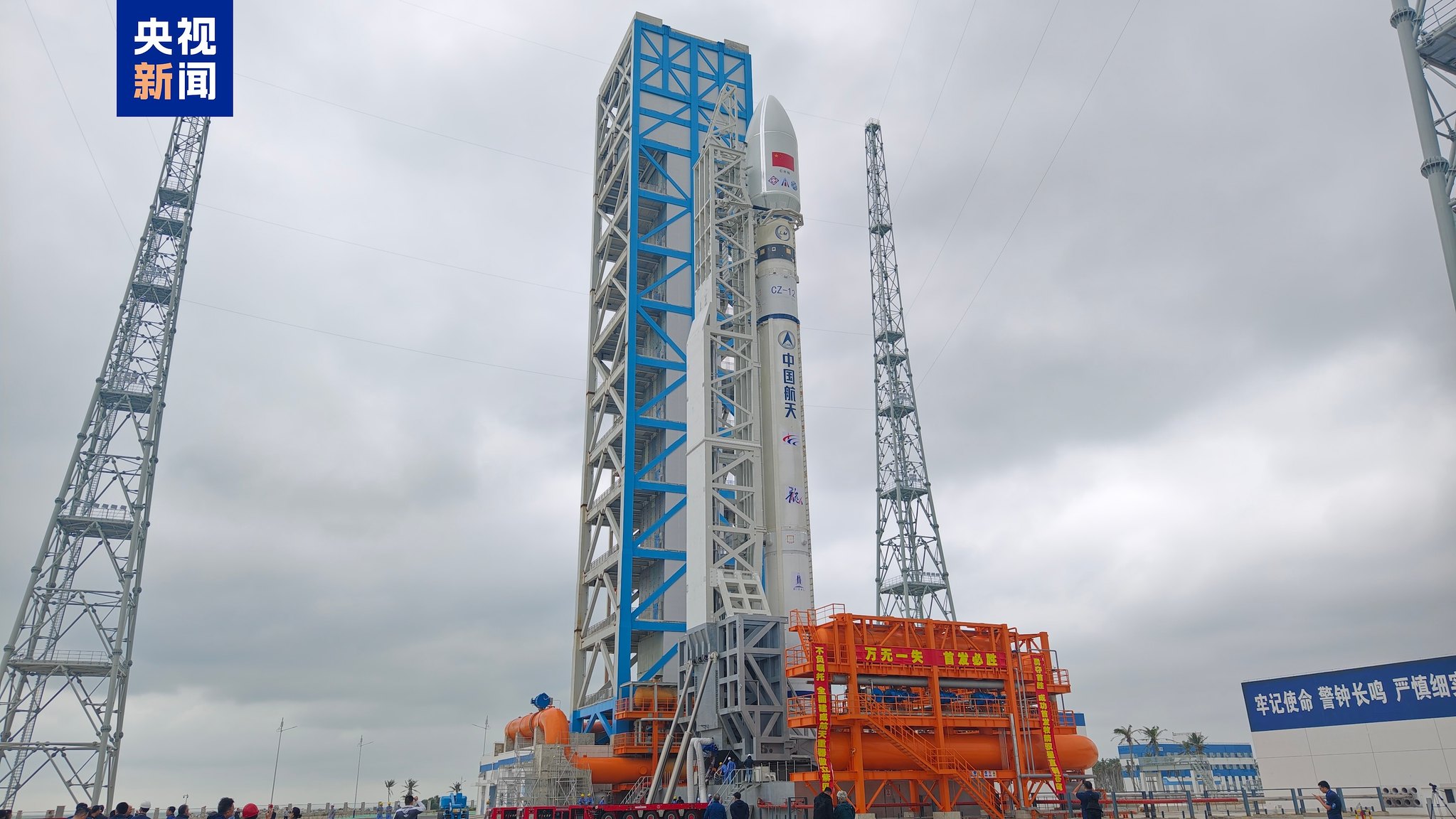
Long March 12 | Unknown Payload launchImage: Unknown
Go for Launch

Long March 12 | Unknown Payload

Rocket: Long March 12
Provider: China Aerospace Science and Technology Corporation
Launch site: Commercial LC-2 · Wenchang Space Launch Site, People's Republic of China
Details TBD.
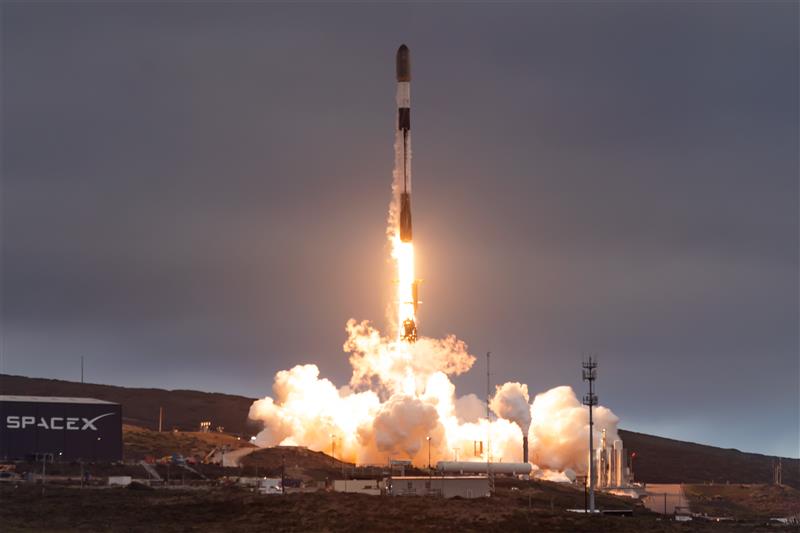
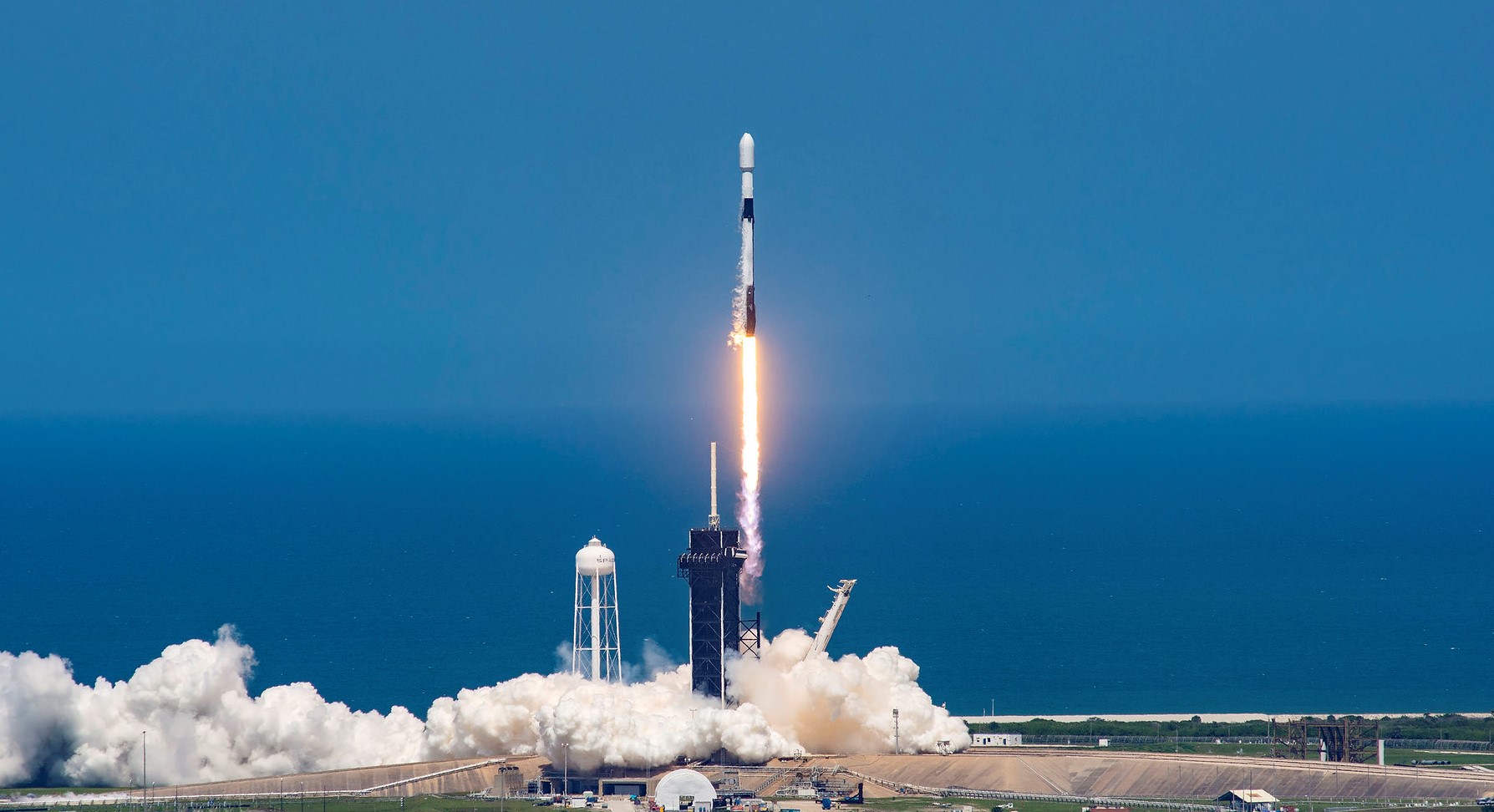
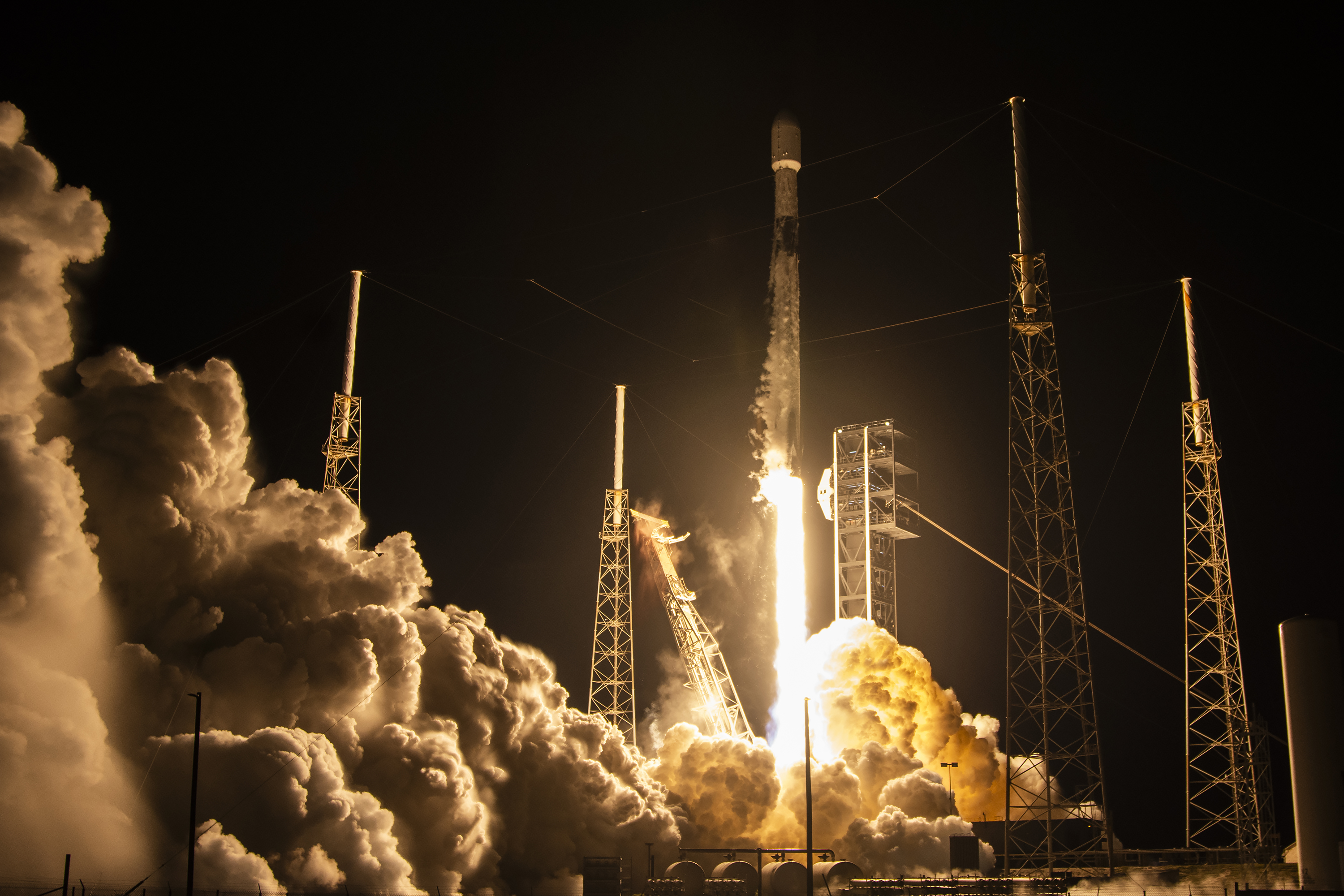
Falcon 9 Block 5 | USSF-259 launchImage: SpaceX
Go for Launch

Falcon 9 Block 5 | USSF-259

Rocket: Falcon 9 Block 5
Provider: SpaceX
Launch site: Space Launch Complex 4E · Vandenberg SFB, CA, USA
USSF-259 is a classified mission for the United States Space Force. It is possibly a batch of classified LEO satellites based on SpaceX’s Starshield satellite bus, based on locations of ascent rocket stage drop zones being fits with previous SDA Transport Layer launches.
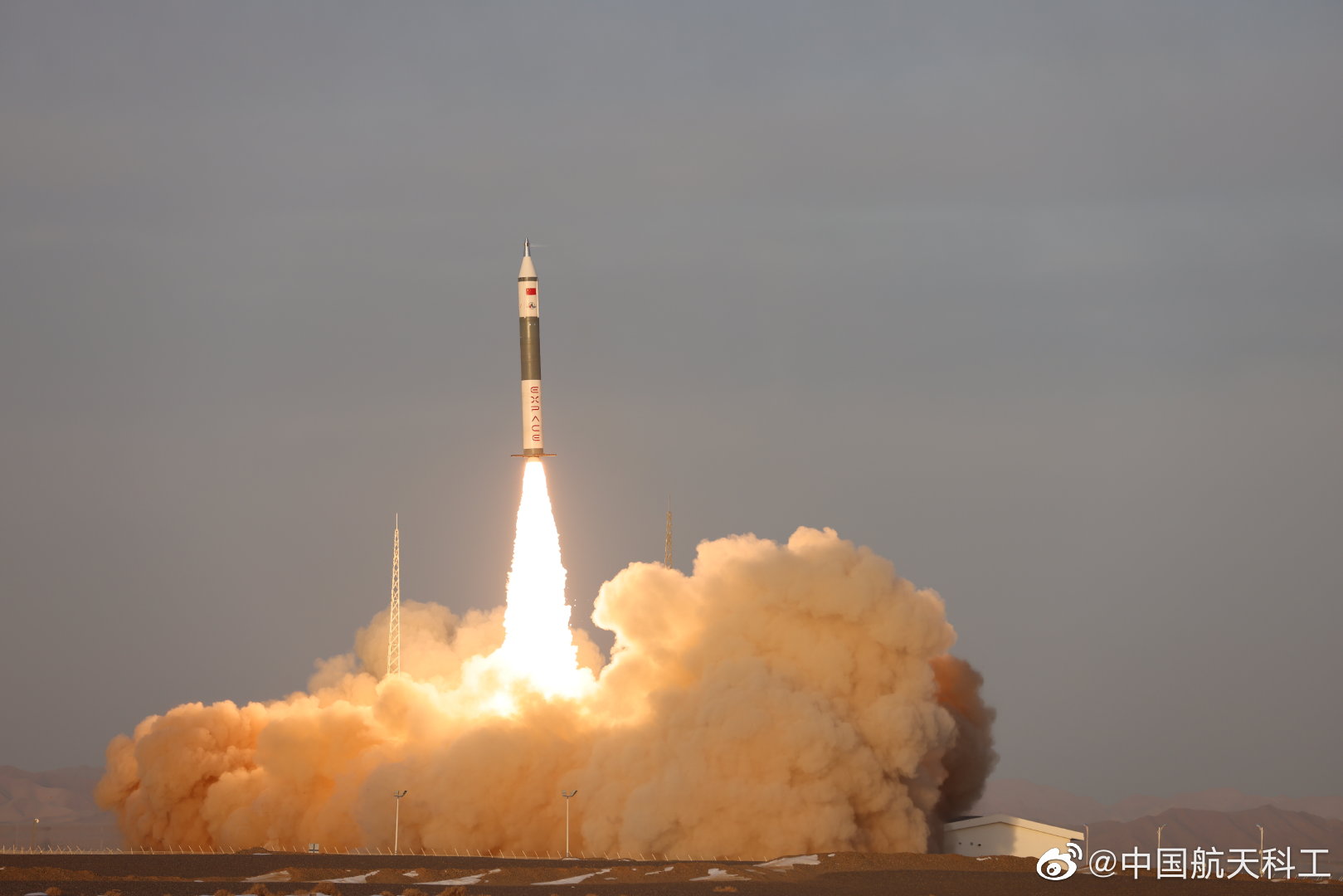
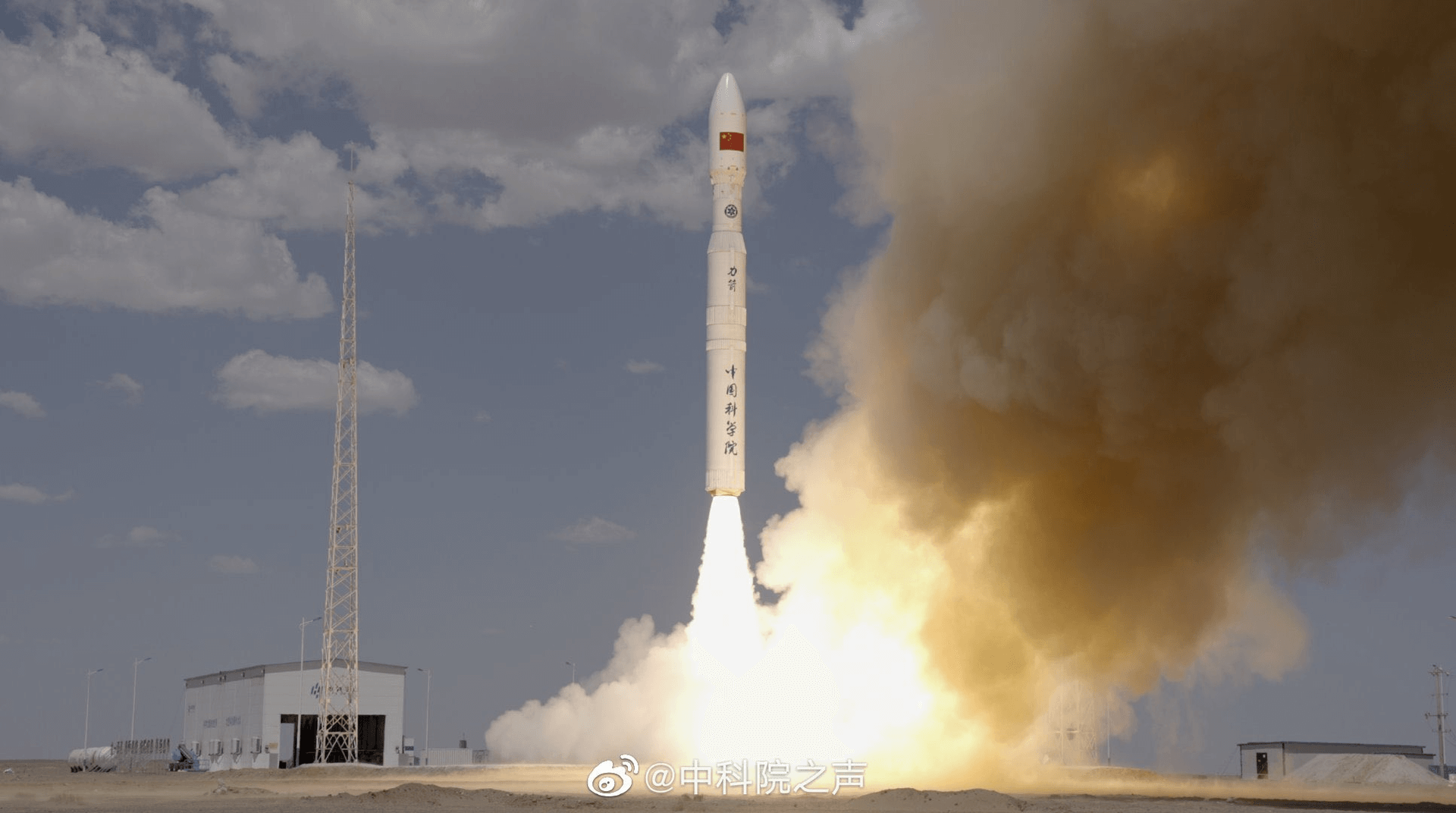
Kuaizhou 11 | Unknown Payload launchImage: 中国航天科工
Go for Launch

Kuaizhou 11 | Unknown Payload

Rocket: Kuaizhou 11
Provider: ExPace
Launch site: Launch Area 95A · Jiuquan Satellite Launch Center, People's Republic of China
Details TBD.
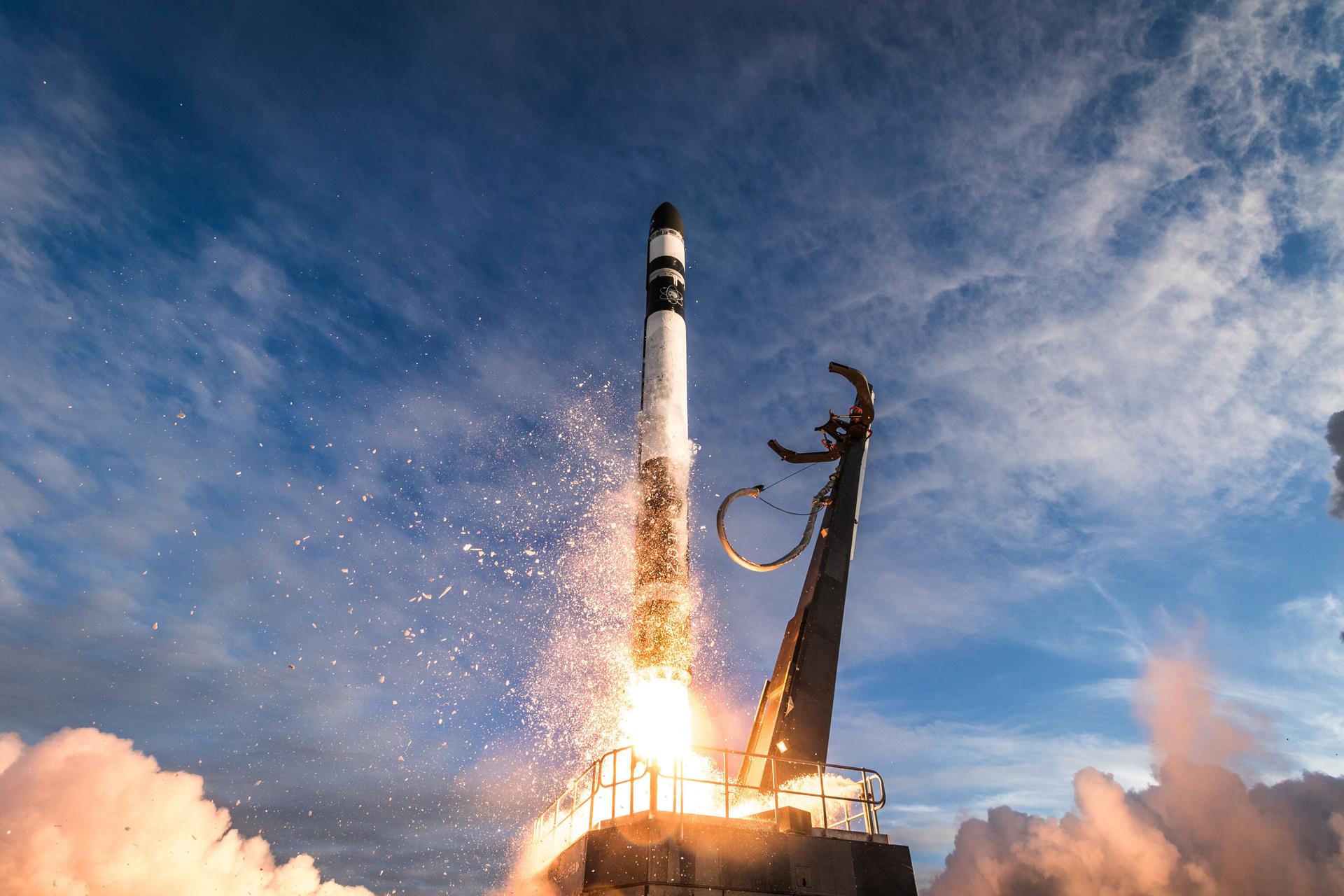
Electron | Owl By The Dozen (StriX Launch 12) launch
Go for Launch

Electron | Owl By The Dozen (StriX Launch 12)

Rocket: Electron
Provider: Rocket Lab
Launch site: Unknown Pad · Rocket Lab Launch Complex 1, Mahia Peninsula, New Zealand
Synthetic aperture radar satellite for Japanese Earth imaging company Synspective.
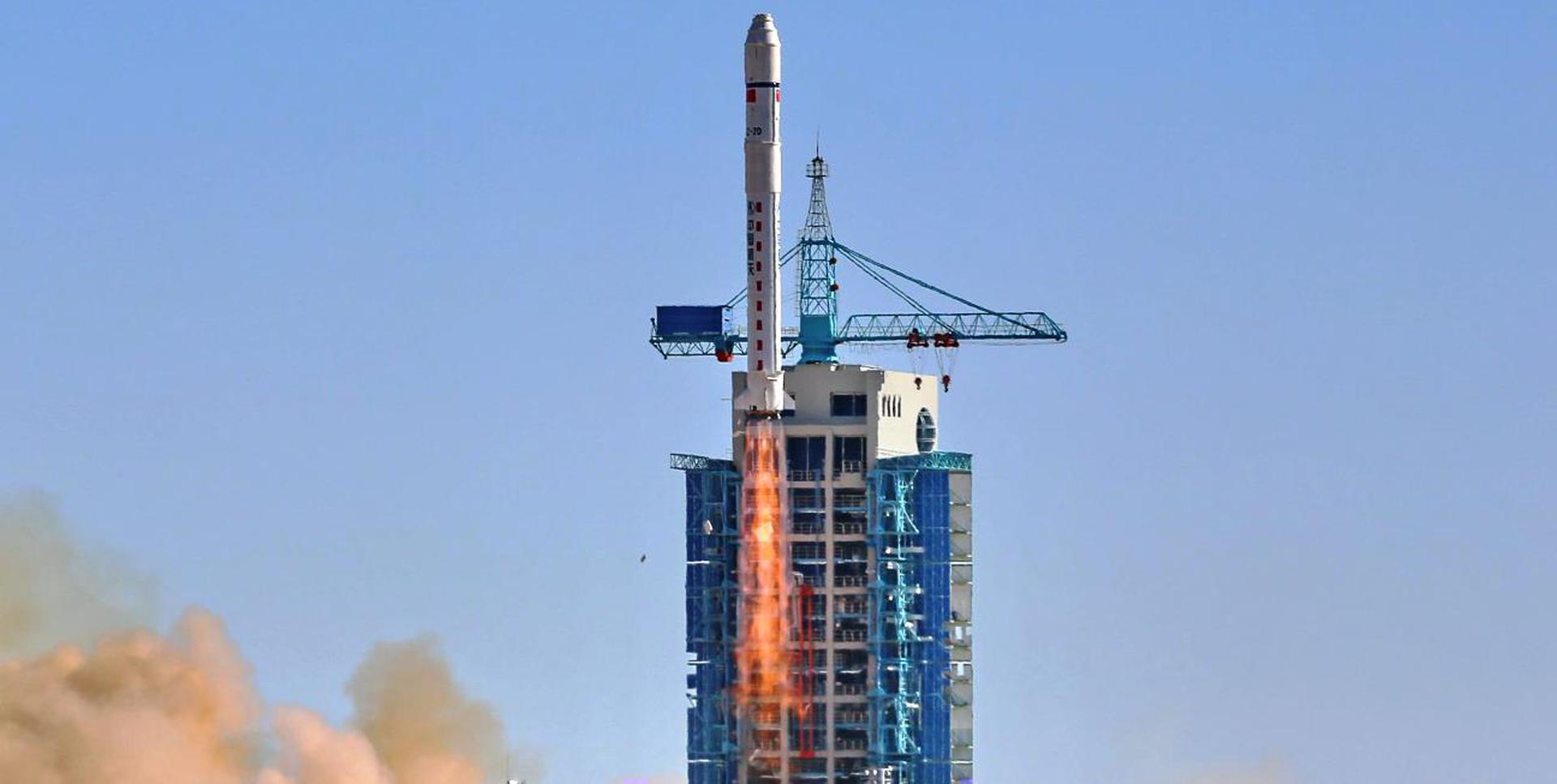
Long March 2D | Unknown Payload launch
Go for Launch

Long March 2D | Unknown Payload

Rocket: Long March 2D
Provider: China Aerospace Science and Technology Corporation
Launch site: Launch Complex 9 · Taiyuan Satellite Launch Center, People's Republic of China
Details TBD.
Falcon 9 Block 5 | Starlink Group 15-27 launchImage: SpaceX
Go for Launch

Falcon 9 Block 5 | Starlink Group 15-27

Rocket: Falcon 9 Block 5
Provider: SpaceX
Launch site: Space Launch Complex 4E · Vandenberg SFB, CA, USA
A batch of 27 satellites for the Starlink mega-constellation - SpaceX's project for space-based Internet communication system.
Kinetica 1 | Unknown Payload launch
Go for Launch

Kinetica 1 | Unknown Payload

Rocket: Kinetica 1
Provider: CAS Space
Launch site: Launch Area 130 · Jiuquan Satellite Launch Center, People's Republic of China
Details TBD.
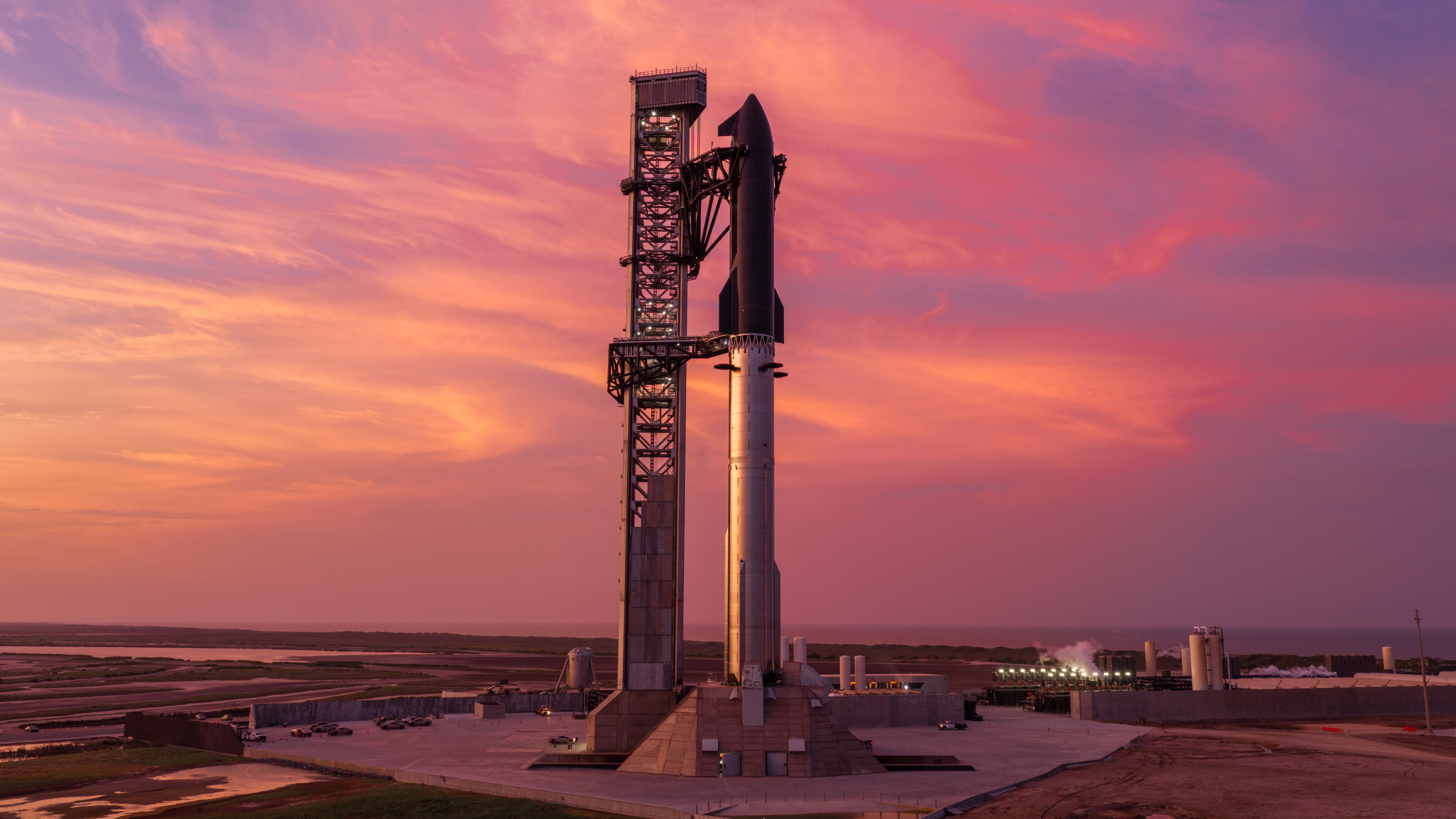
Starship | Flight 14 launchImage: SpaceX
Go for Launch

Starship | Flight 14

Rocket: Starship V3
Provider: SpaceX
Launch site: Orbital Launch Pad 2 · SpaceX Starbase, TX, USA
14th test flight of the two-stage Starship launch vehicle. 3rd flight of Starship V3 and the first Starship flight to deploy satellites (a group of Starlink satellites) into stable Low Earth Orbit. The ship is expected to fly at an altitude approximately 275 km above Earth and complete approximately 6 orbits around the planet for nearly 10 hours, with splashdown targeted in the Pacific Ocean west of Chile. The booster’s primary test objective on Flight 14 will be executing a successful launch, ascent, stage separation, boostback burn, and landing burn at an offshore landing point in the Gulf. Starship will deliver 26 Starlink V3 satellites to orbit for the first time, which aim to greatly expand the network's capacity and user speeds. Each Starlink V3 satellite will add 1 Tbps of capacity to the constellation.
Falcon 9 Block 5 | USSF-xxx ("R-3") launchImage: SpaceX
To Be Confirmed

Falcon 9 Block 5 | USSF-xxx ("R-3")

Rocket: Falcon 9 Block 5
Provider: SpaceX
Launch site: Space Launch Complex 4E · Vandenberg SFB, CA, USA
Note: Official USSF designation to be confirmed. A classified mission for the United States Space Force. It is possibly a batch of classified LEO satellites based on SpaceX’s Starshield satellite bus, based on locations of rocket stage drop zones being exact fits with previous Starlink Group 15 launches.
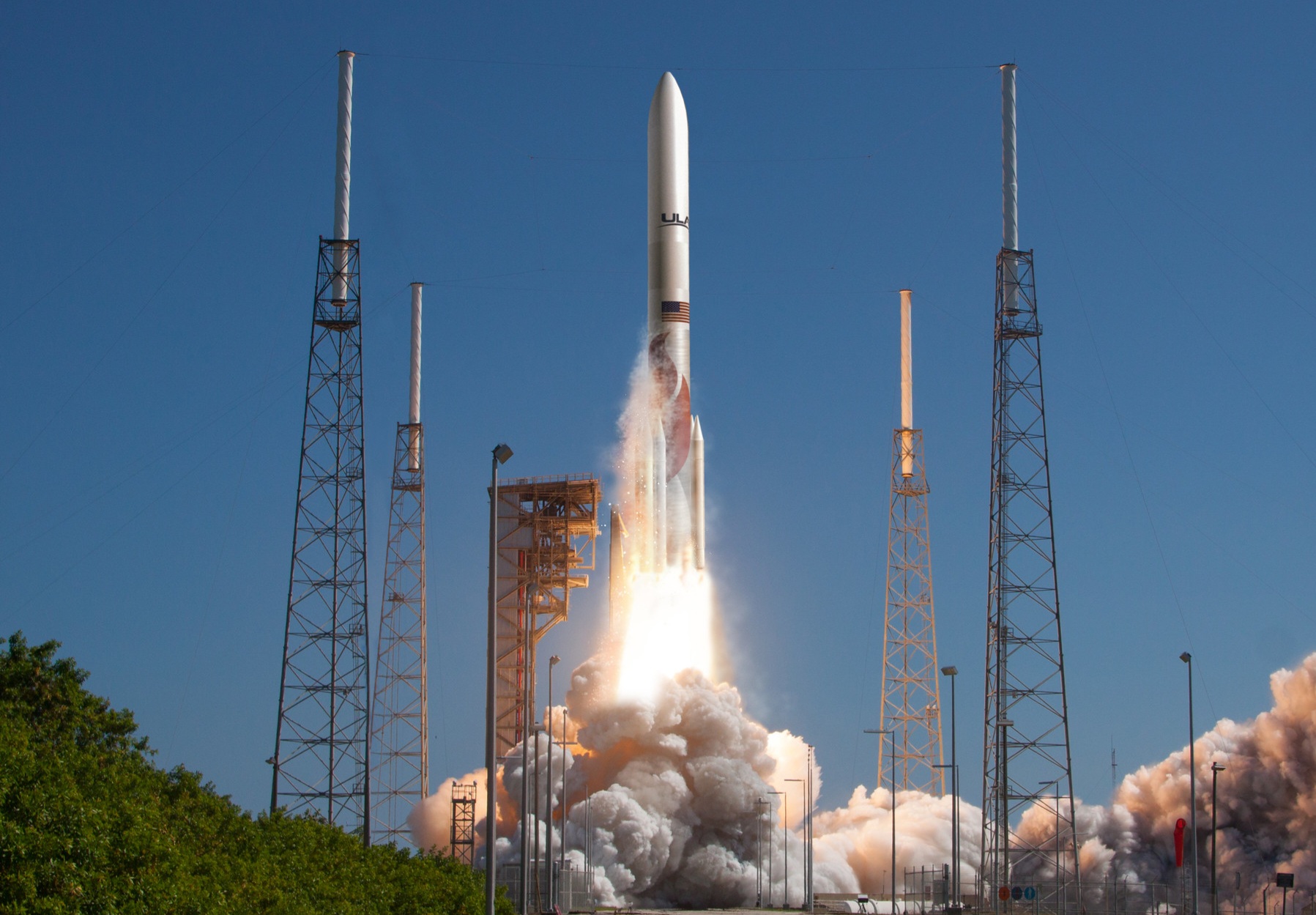
Vulcan VC6L | Amazon Leo (LV-01) launchImage: United Launch Alliance
To Be Determined

Vulcan VC6L | Amazon Leo (LV-01)

Rocket: Vulcan VC6L
Provider: United Launch Alliance
Launch site: Space Launch Complex 41 · Cape Canaveral SFS, FL, USA
Amazon Leo, formerly known as Project Kuiper, is a mega constellation of satellites in Low Earth Orbit that will offer broadband internet access, this constellation will be managed by Kuiper Systems LLC, a subsidiary of Amazon. This constellation is planned to be composed of 3,276 satellites. The satellites are projected to be placed in 98 orbital planes in three orbital layers, one at 590 km, 610 km and 630 km altitude. 45 satellites will be carried on each Vulcan launch.
Falcon 9 Block 5 | SDA Tranche 1 Transport Layer A launchImage: SpaceX
To Be Determined

Falcon 9 Block 5 | SDA Tranche 1 Transport Layer A

Rocket: Falcon 9 Block 5
Provider: SpaceX
Launch site: Space Launch Complex 4E · Vandenberg SFB, CA, USA
Tranche 1 Transport Layer A is one of six missions by the United States Space Force Space Development Agency (SDA) for the Proliferated Warfighter Space Architecture (PWSA) Tranche 1 Transport Layer constellation, which will provide assured, resilient, low-latency military data and connectivity worldwide to the full range of warfighter platforms from Low Earth Orbit satellites. The constellation will be interconnected with Optical Inter-Satellite Links (OISLs) which have significantly increased performance over existing radio frequency crosslinks. It is expected to operate over Ka band, have stereo coverage and be dynamically networked for simpler hand-offs, greater bandwidth and fault tolerance. This launch carries 21 satellites manufactured by Northrop Grumman.
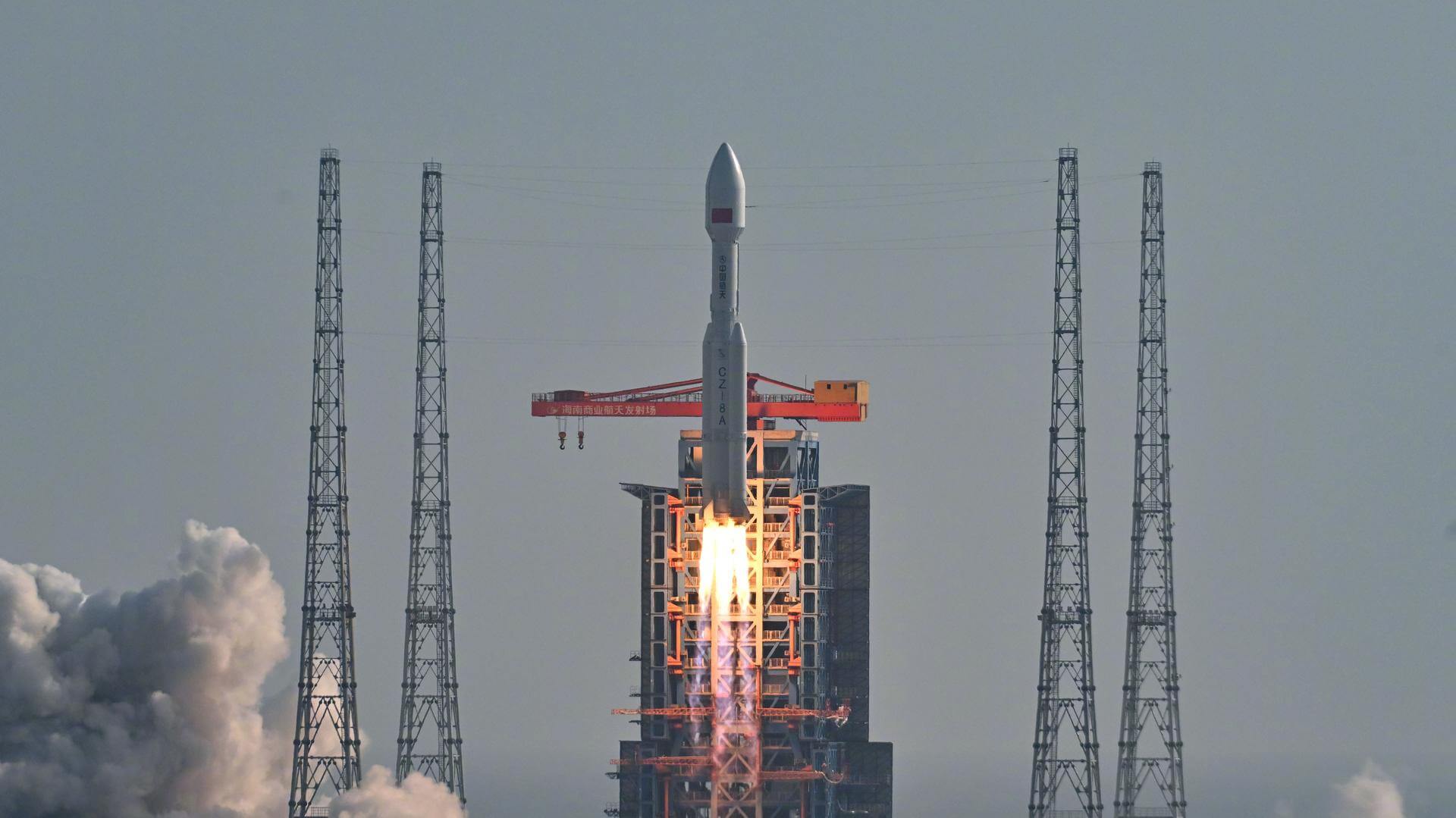
Long March 8A | Unknown Payload launchImage: CASC
To Be Determined

Long March 8A | Unknown Payload

Rocket: Long March 8A
Provider: China Aerospace Science and Technology Corporation
Launch site: Commercial LC-1 · Wenchang Space Launch Site, People's Republic of China
Details TBD.
Electron | BlackSky Gen-3 6 launch
To Be Determined

Electron | BlackSky Gen-3 6

Rocket: Electron
Provider: Rocket Lab
Launch site: Unknown Pad · Rocket Lab Launch Complex 1, Mahia Peninsula, New Zealand
BlackSky Gen-3 Earth-imaging satellites
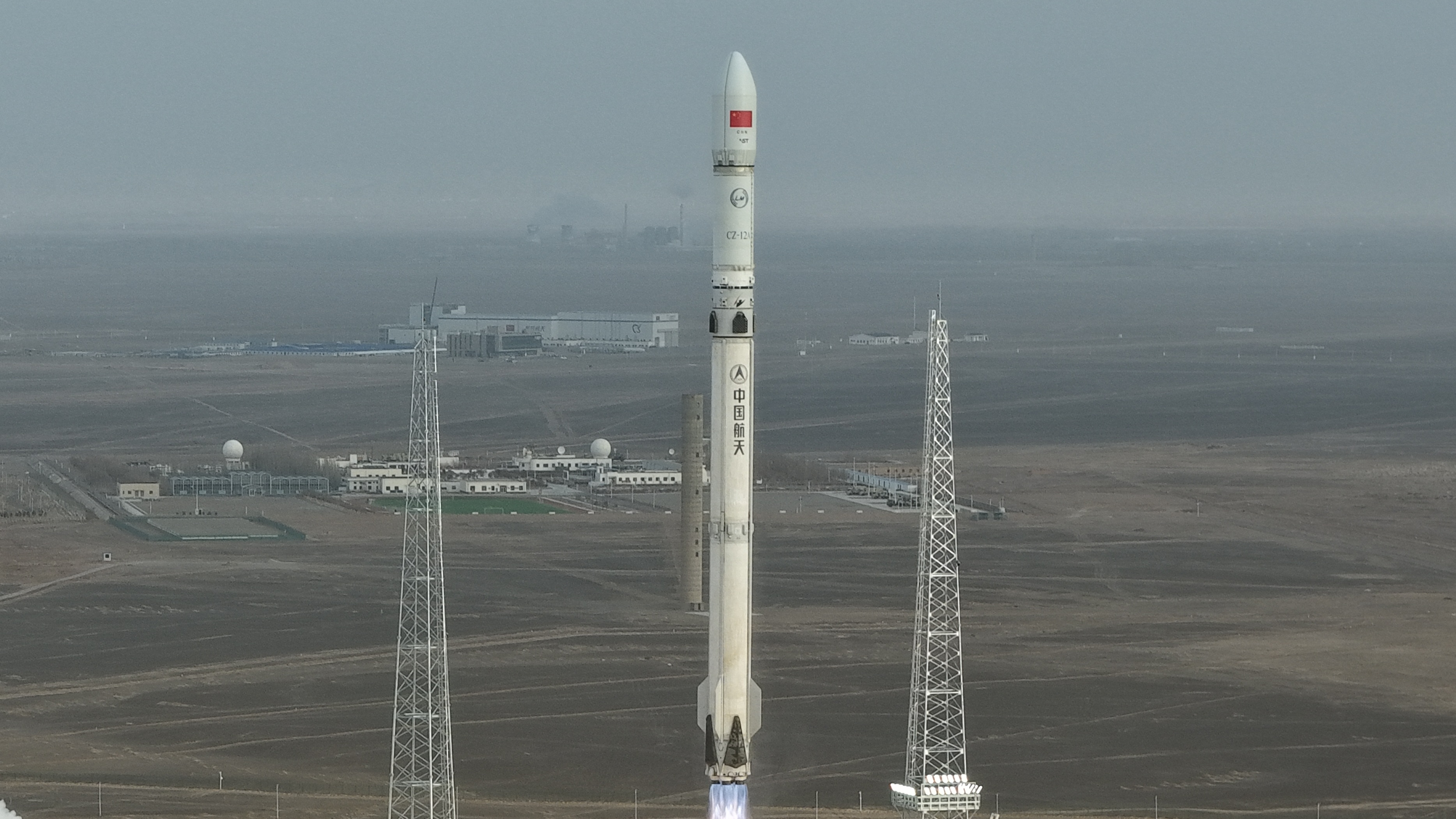
Long March 12A | Flight 2 launchImage: CASC
To Be Determined

Long March 12A | Flight 2

Rocket: Long March 12A
Provider: China Aerospace Science and Technology Corporation
Launch site: Long March 12 series Pad · Jiuquan Satellite Launch Center, People's Republic of China
Second test launch of CASC/SAST’s Long March 12A rocket. Payload identities are TBD.
Electron | LOXSAT 1 launch
To Be Determined

Electron | LOXSAT 1

Rocket: Electron
Provider: Rocket Lab
Launch site: Unknown Pad · Rocket Lab Launch Complex 1, Mahia Peninsula, New Zealand
LOXSAT 1 is a demonstration satellite of a complete cryogenic oxygen fluid management system in orbit, developed by Eta Space and sponsored by NASA's Tipping Point program. The system will be integrated on a Rocket Lab Photon-LEO satellite bus and collect critical cryogenic fluid management data in orbit for 9 months, demonstrating capabilities of in-space cryogenic storage and transferal. Eta Space plans to use technology developed for this mission to develop a truly commercial depot intended to serve multiple customers in the future.
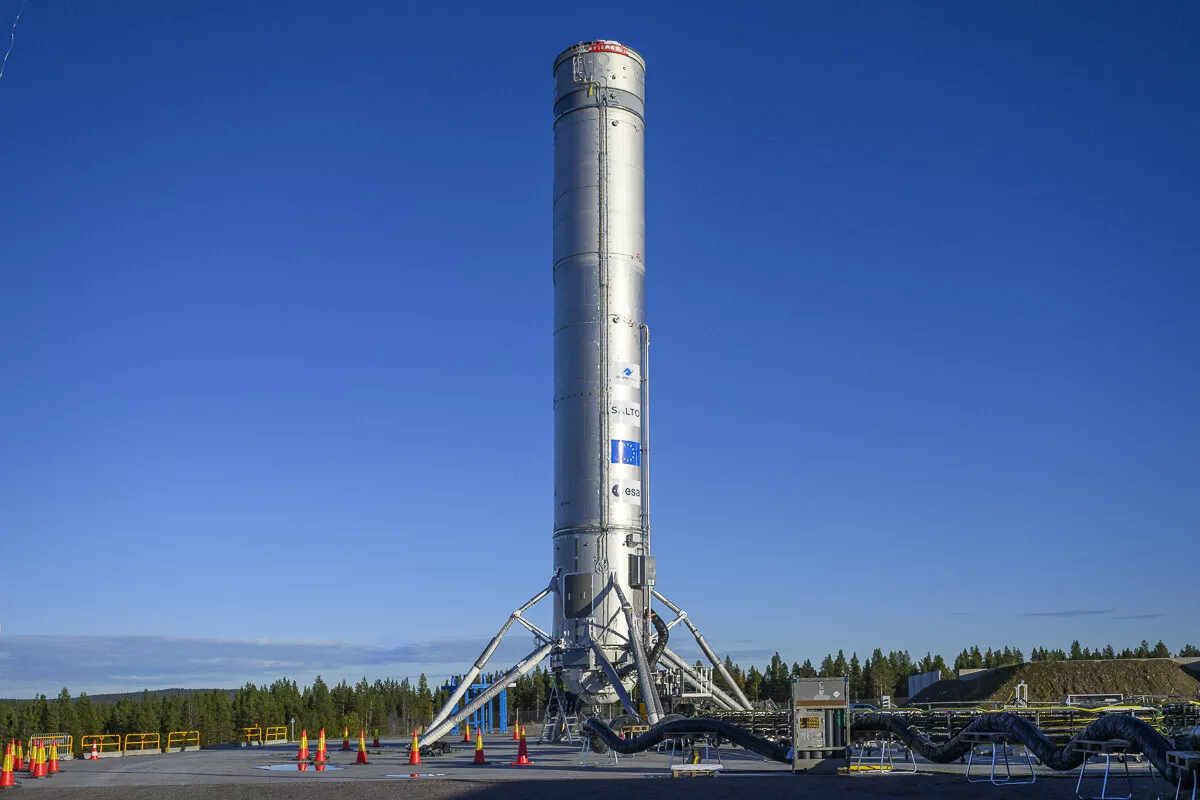
Themis Demonstrator | T1H-1 launchImage: ArianeGroup
To Be Determined

Themis Demonstrator | T1H-1

Rocket: Themis Demonstrator
Provider: European Space Agency
Launch site: Launch Complex 3B · Esrange Space Center
First low-altitude hop test of a Themis demonstrator, with a targeted altitude up to 100 m.
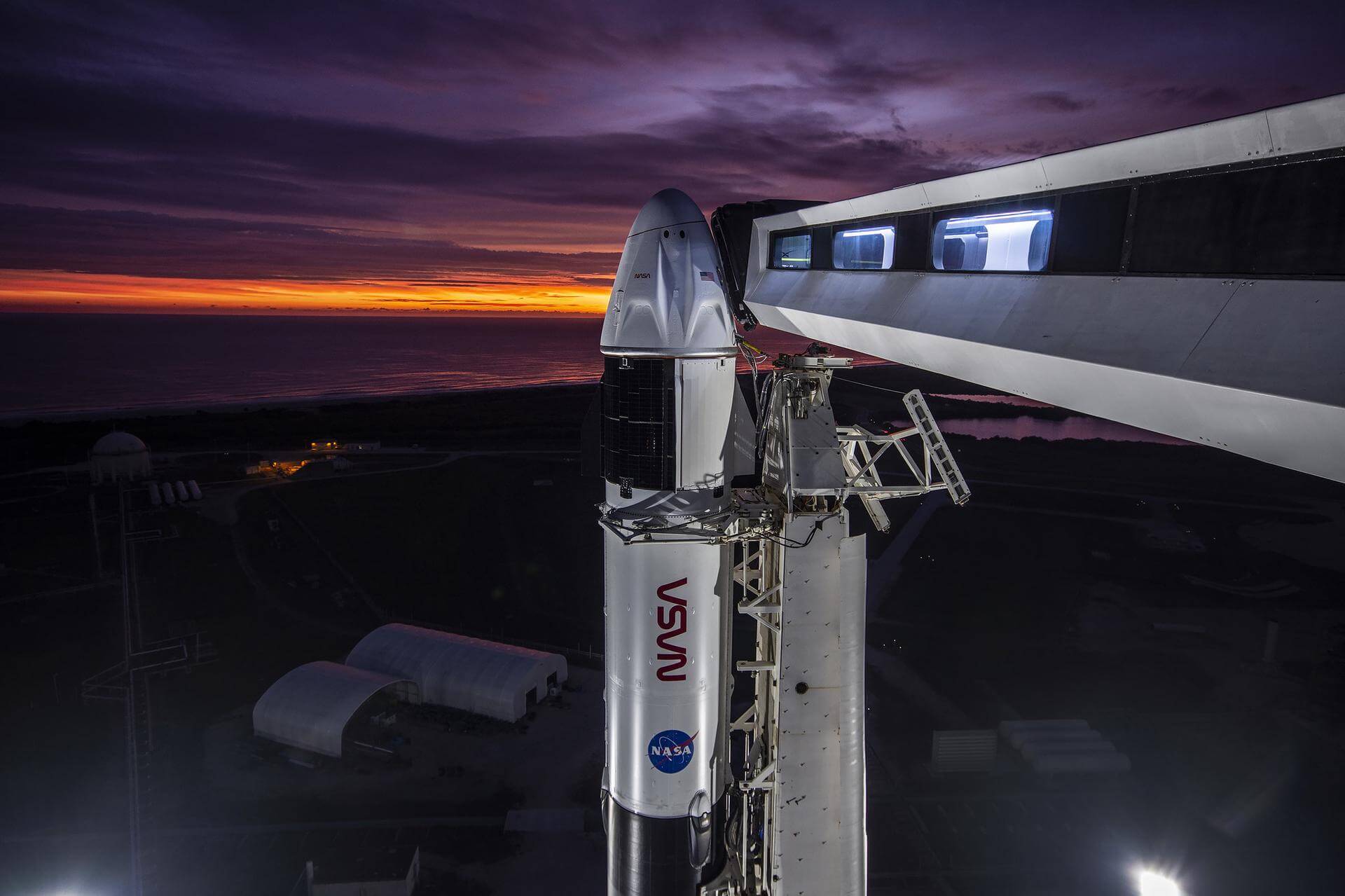
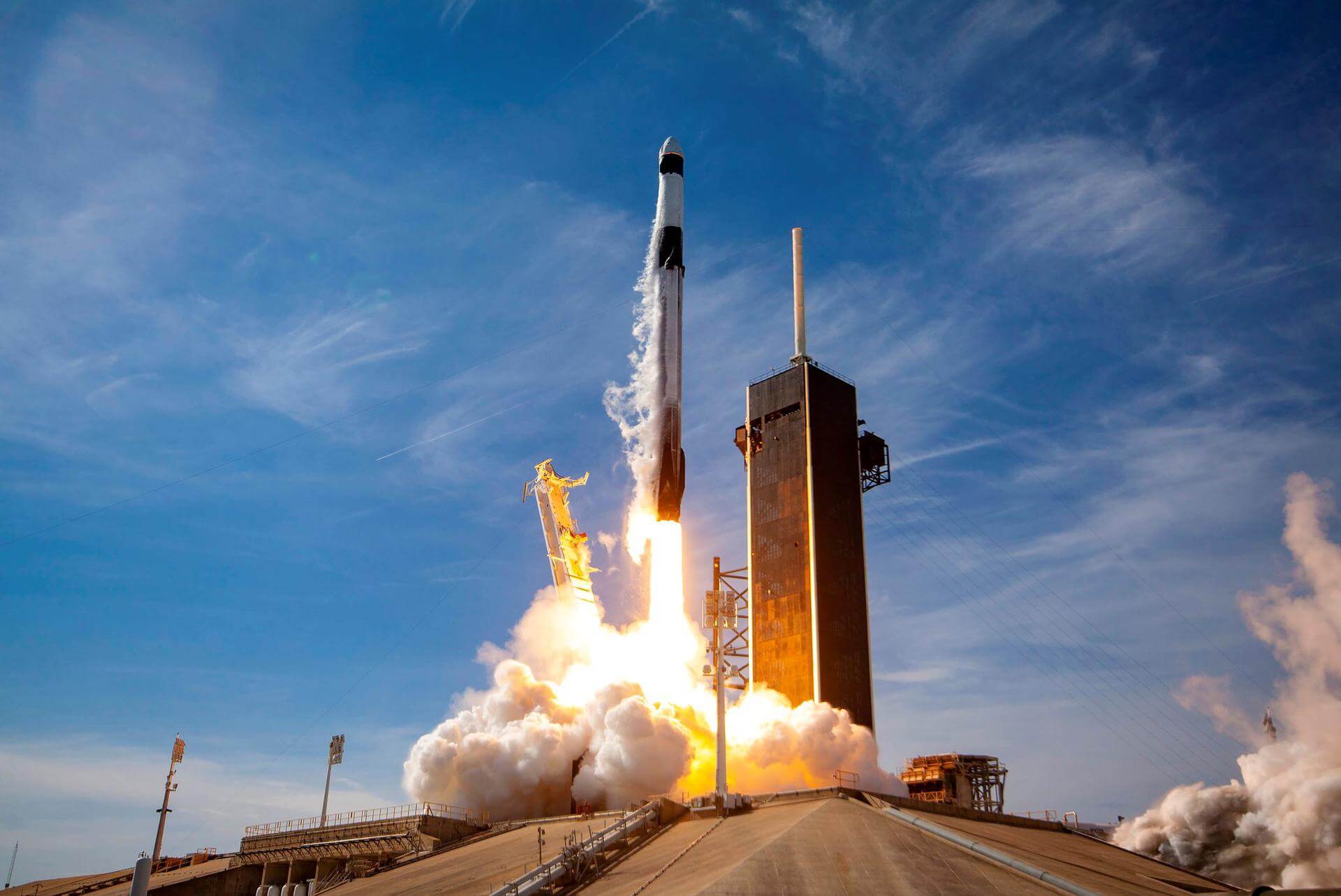
Falcon 9 Block 5 | Crew-13 launchImage: SpaceX
To Be Determined

Falcon 9 Block 5 | Crew-13

Rocket: Falcon 9 Block 5
Provider: SpaceX
Launch site: Space Launch Complex 40 · Cape Canaveral SFS, FL, USA
SpaceX Crew-13 is the thirteenth crewed operational flight of a Crew Dragon spacecraft to the International Space Station as part of NASA's Commercial Crew Program.
Electron | 6x HawkEye 360 launch
To Be Determined

Electron | 6x HawkEye 360

Rocket: Electron
Provider: Rocket Lab
Launch site: Unknown Pad · Rocket Lab Launch Complex 1, Mahia Peninsula, New Zealand
HawkEye 360 is a a space-based civil global intelligence satellite network using radio frequency (RF) technology to help monitor transportation across air, land and sea and assist with emergencies, and to provide civil SIGINT (Signal Intelligence) mission. The constellation of small satellites (named Hawk ) will collect information on specific radio signals worldwide to provide high-precision radio frequency mapping and analytics from Low Earth orbit (LEO).
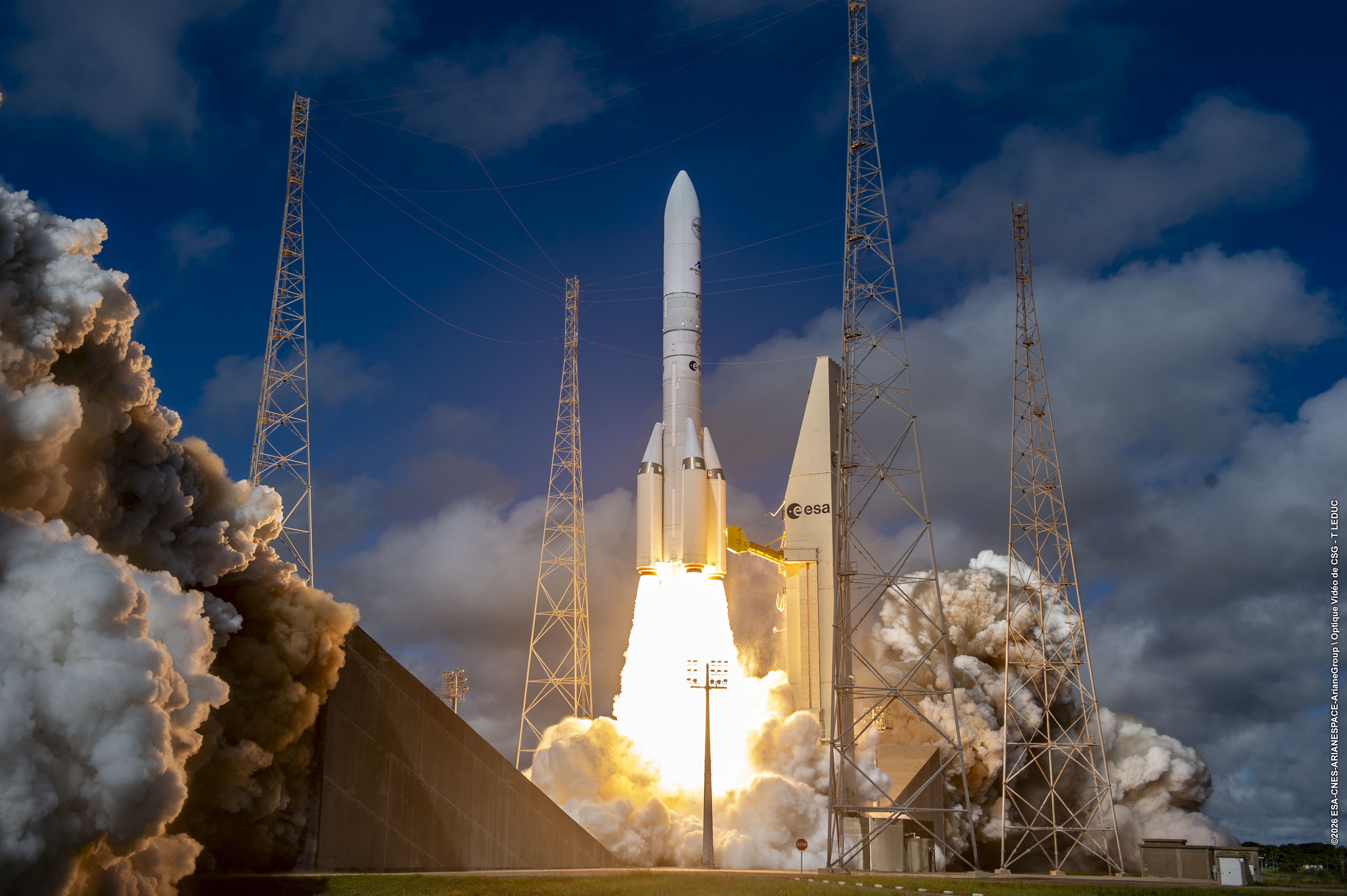
Ariane 64 Block 2 | Amazon Leo (LE-04) launchImage: ESA\CNES\ArianespaceArianeGroup\Optique Vidéo du CSG–T. Leduc
To Be Determined

Ariane 64 Block 2 | Amazon Leo (LE-04)

Rocket: Ariane 64 Block 2
Provider: Arianespace
Launch site: Ariane Launch Area 4 · Guiana Space Centre, French Guiana
Amazon Leo, formerly known as Project Kuiper, is a mega constellation of satellites in Low Earth Orbit that will offer broadband internet access, this constellation will be managed by Kuiper Systems LLC, a subsidiary of Amazon. This constellation is planned to be composed of 3,276 satellites. The satellites are projected to be placed in 98 orbital planes in three orbital layers, one at 590 km, 610 km and 630 km altitude. 35-40 satellites will be carried on each Ariane 6 launch.
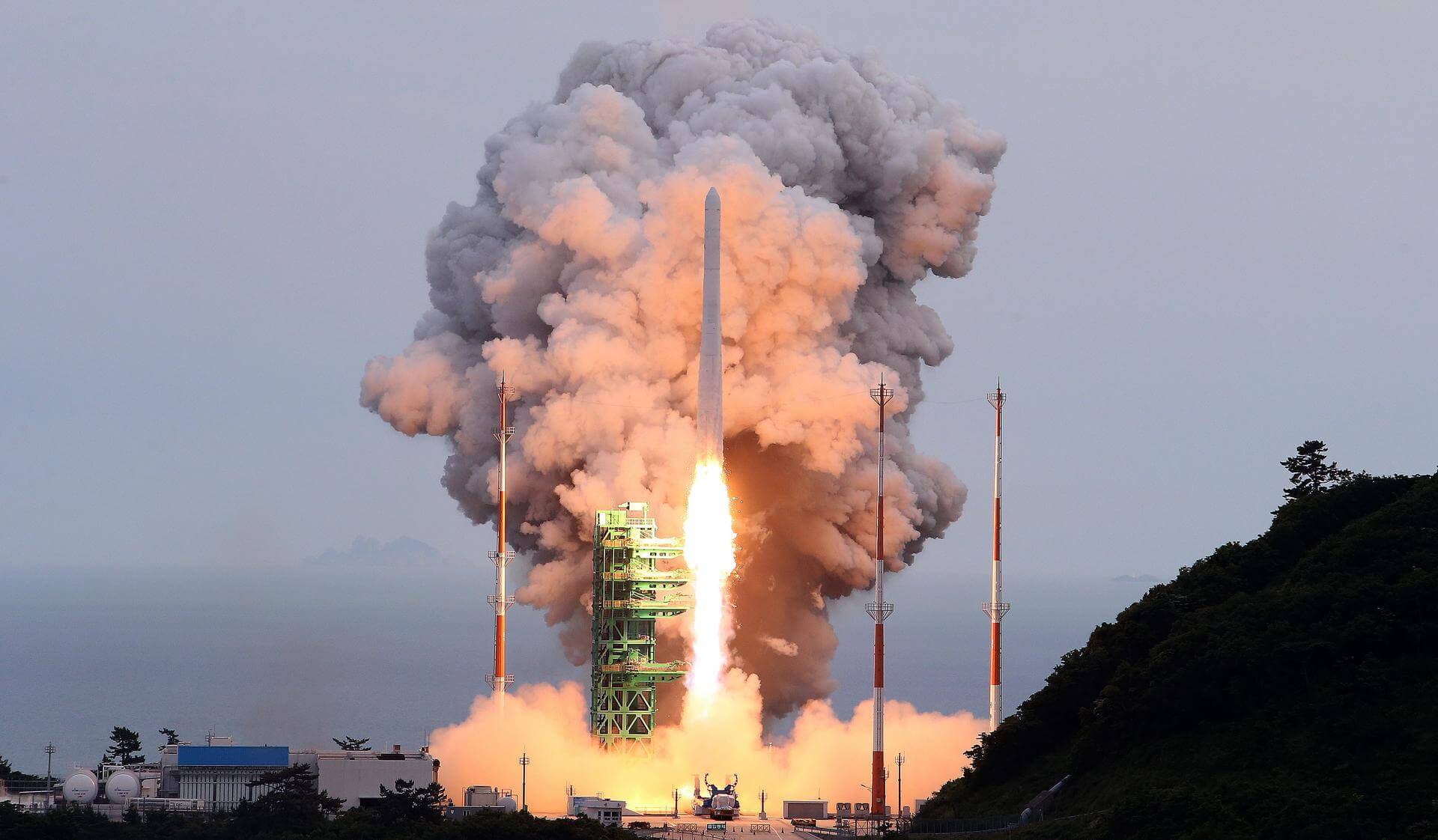
Nuri | NeonSat-2 to 6 launchImage: KARI/VNA/CVN
Go for Launch

Nuri | NeonSat-2 to 6

Rocket: KSLV-2 Nuri
Provider: Korea Aerospace Research Institute
Launch site: LC-2 · Naro Space Center, South Korea
NeonSat-2 to 6 are part of the South Korean government's Earth observation micro-satellite constellation NeonSat (New-space Earth Observation Satellite). The NeonSat constellation is the first satellite system developed by the government using a mass-production approach for precise monitoring of the Korean Peninsula.
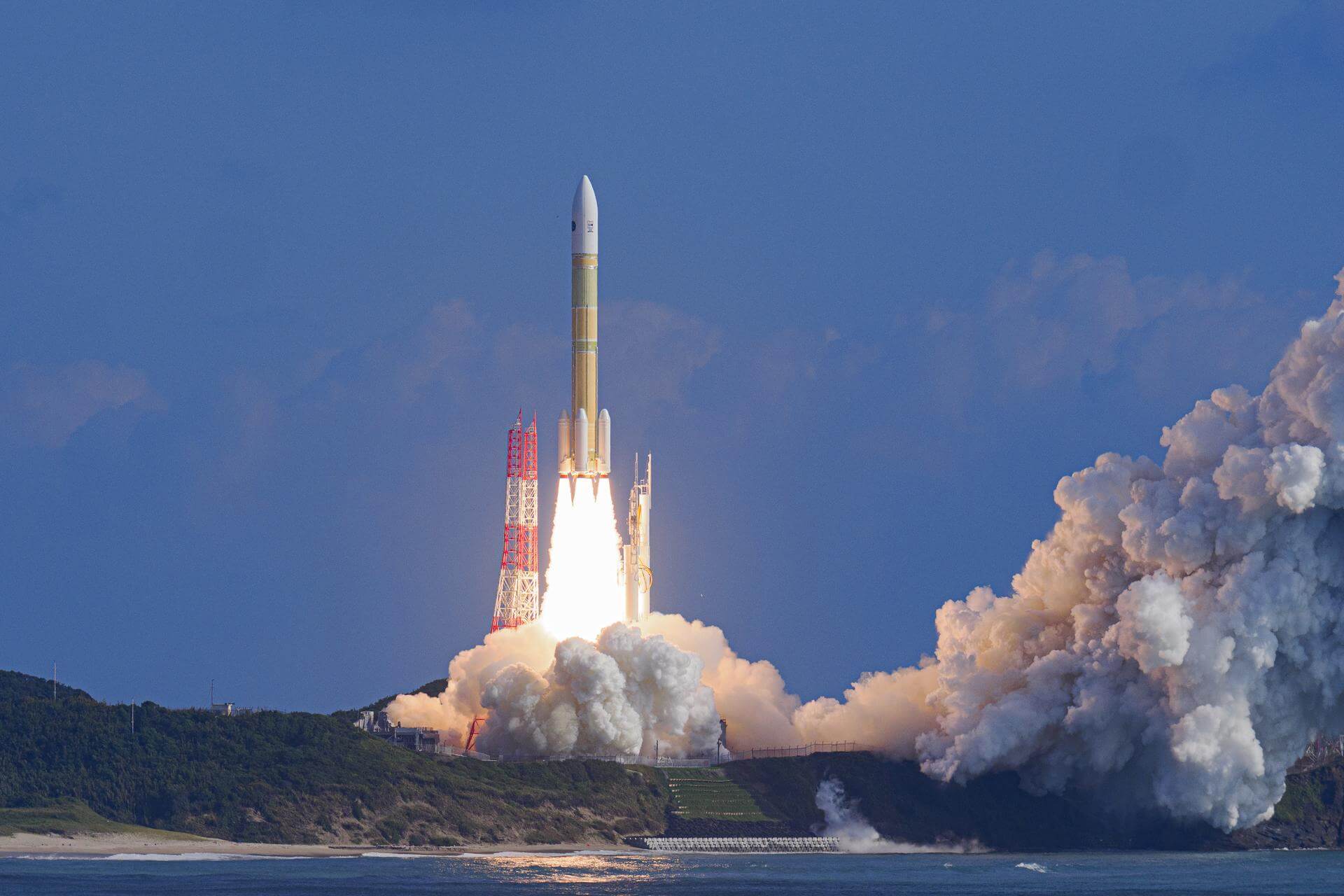
H3-24 | Martian Moon eXplorer (MMX) launchImage: Mitsubishi Heavy Industries
Go for Launch

H3-24 | Martian Moon eXplorer (MMX)

Rocket: H3-24
Provider: Mitsubishi Heavy Industries
Launch site: Yoshinobu Launch Complex LP-2 · Tanegashima Space Center, Japan
MMX is a Japanese scientific mission to land on Phobos, one of the two moons of Mars, to collect samples before bringing them back to Earth. The mission includes a small French/German rover to explore the surface of Phobos.
Falcon 9 Block 5 | Dragon CRS-2 SpX-35 launchImage: SpaceX
To Be Determined

Falcon 9 Block 5 | Dragon CRS-2 SpX-35

Rocket: Falcon 9 Block 5
Provider: SpaceX
Launch site: Space Launch Complex 40 · Cape Canaveral SFS, FL, USA
35th commercial resupply services mission to the International Space Station operated by SpaceX. The flight will be conducted under the second Commercial Resupply Services contract with NASA. Cargo Dragon 2 brings supplies and payloads, including critical materials to directly support science and research investigations that occur onboard the orbiting laboratory.
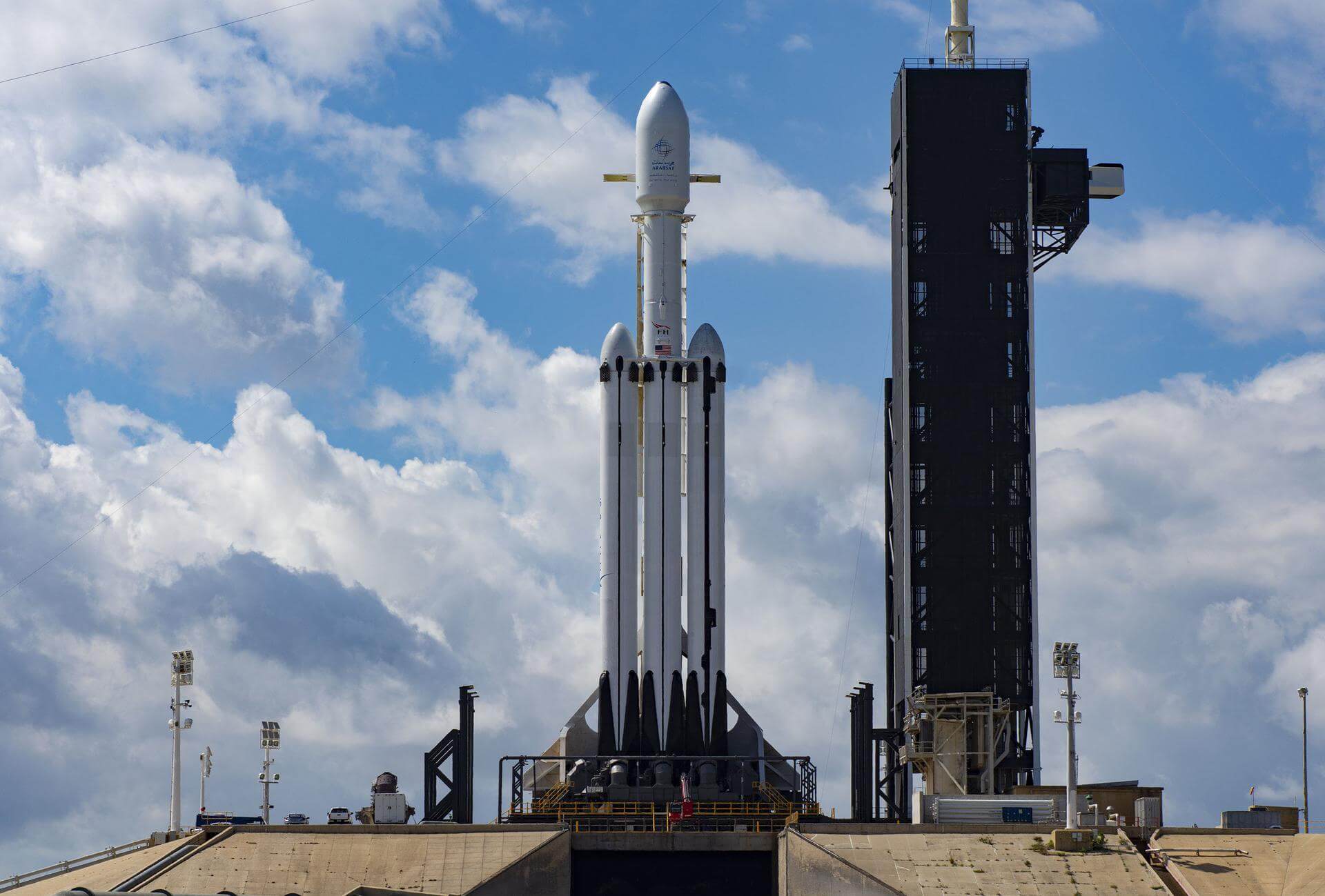
Falcon Heavy | NROL-97 launch
To Be Determined

Falcon Heavy | NROL-97

Rocket: Falcon Heavy
Provider: SpaceX
Launch site: Launch Complex 39A · Kennedy Space Center, FL, USA
Classified payload for the US National Reconnaissance Office
Falcon 9 Block 5 | Bandwagon 5 (Dedicated Mid-Inclination Rideshare) launchImage: SpaceX
To Be Determined

Falcon 9 Block 5 | Bandwagon 5 (Dedicated Mid-Inclination Rideshare)

Rocket: Falcon 9 Block 5
Provider: SpaceX
Launch site: Space Launch Complex 40 · Cape Canaveral SFS, FL, USA
Dedicated rideshare flight to a mid-inclination orbit with dozens of small microsatellites and nanosatellites for commercial and government customers.
Falcon 9 Block 5 | Transporter 18 (Dedicated SSO Rideshare) launchImage: SpaceX
To Be Determined

Falcon 9 Block 5 | Transporter 18 (Dedicated SSO Rideshare)

Rocket: Falcon 9 Block 5
Provider: SpaceX
Launch site: Space Launch Complex 4E · Vandenberg SFB, CA, USA
Dedicated rideshare flight to a sun-synchronous orbit with dozens of small microsatellites and nanosatellites for commercial and government customers.
Soyuz 2.1b | Progress MS-36 (97P) launchImage: Roscosmos
To Be Confirmed

Soyuz 2.1b | Progress MS-36 (97P)

Rocket: Soyuz 2.1b
Provider: Russian Federal Space Agency (ROSCOSMOS)
Launch site: 31/6 · Baikonur Cosmodrome, Republic of Kazakhstan
Progress resupply mission to the International Space Station.
Falcon Heavy | Griffin Mission One launch
To Be Determined

Falcon Heavy | Griffin Mission One

Rocket: Falcon Heavy
Provider: SpaceX
Launch site: Launch Complex 39A · Kennedy Space Center, FL, USA
Demonstration flight of the Astrobotic Griffin lander and its engines, initially contracted for the cancelled NASA VIPER (Volatiles Investigating Polar Exploration Rover) mission. The vacated payload spot will now host the FLIP (FLEX Lunar Innovation Platform) lunar rover from Astrolab.
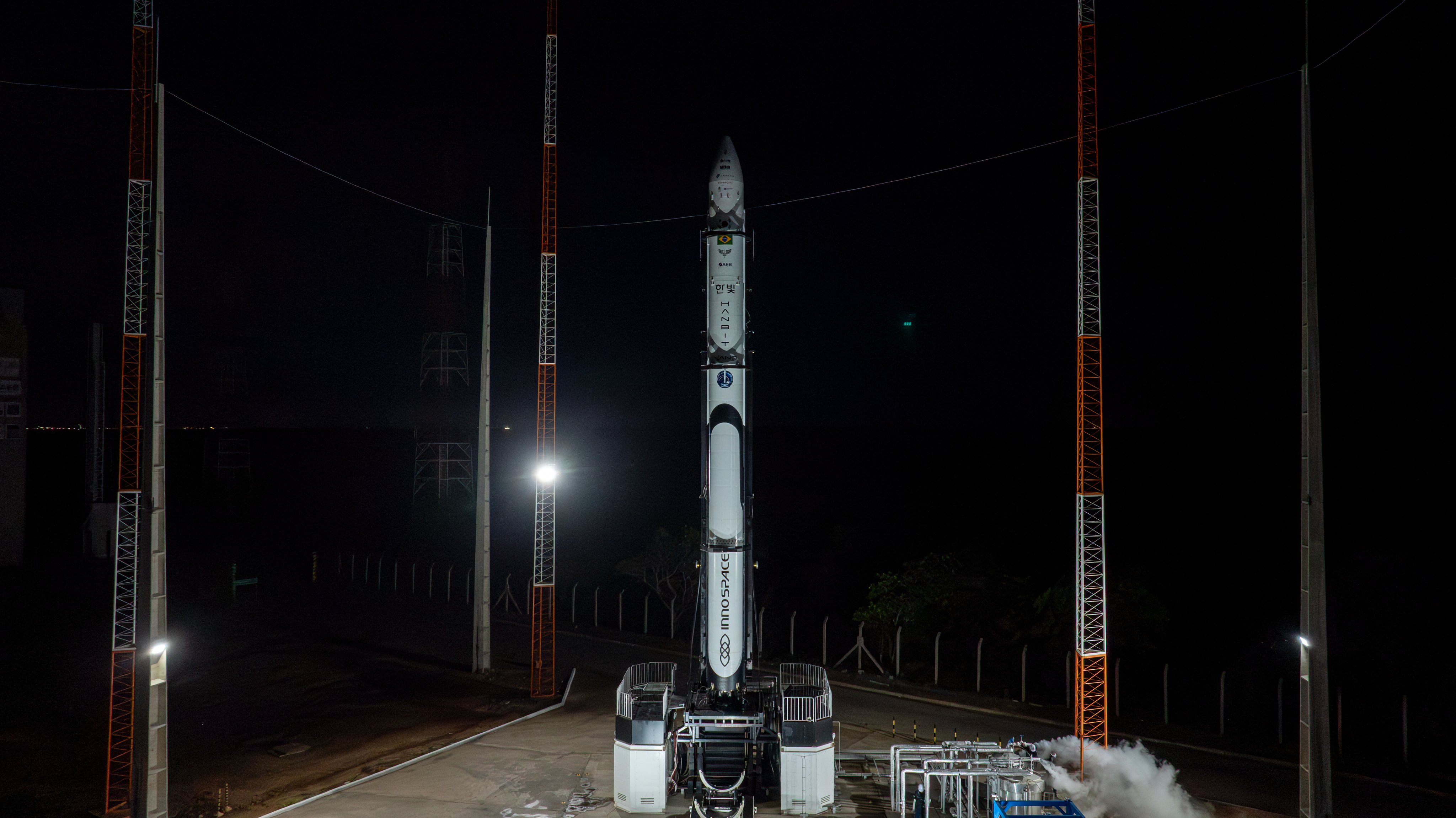
HANBIT-Nano | InnoSat-0 launchImage: Innospace
To Be Determined

HANBIT-Nano | InnoSat-0

Rocket: HANBIT-Nano
Provider: Innospace
Launch site: HANBIT Pad · Alcântara Space Center, Federative Republic of Brazil
Innospace's first in-house test satellite, 'InnoSat-0', will test various technologies for future development of satellites by Innospace themselves. The satellite will be deployed using Korean company SpaceBey’s specialized deployer.
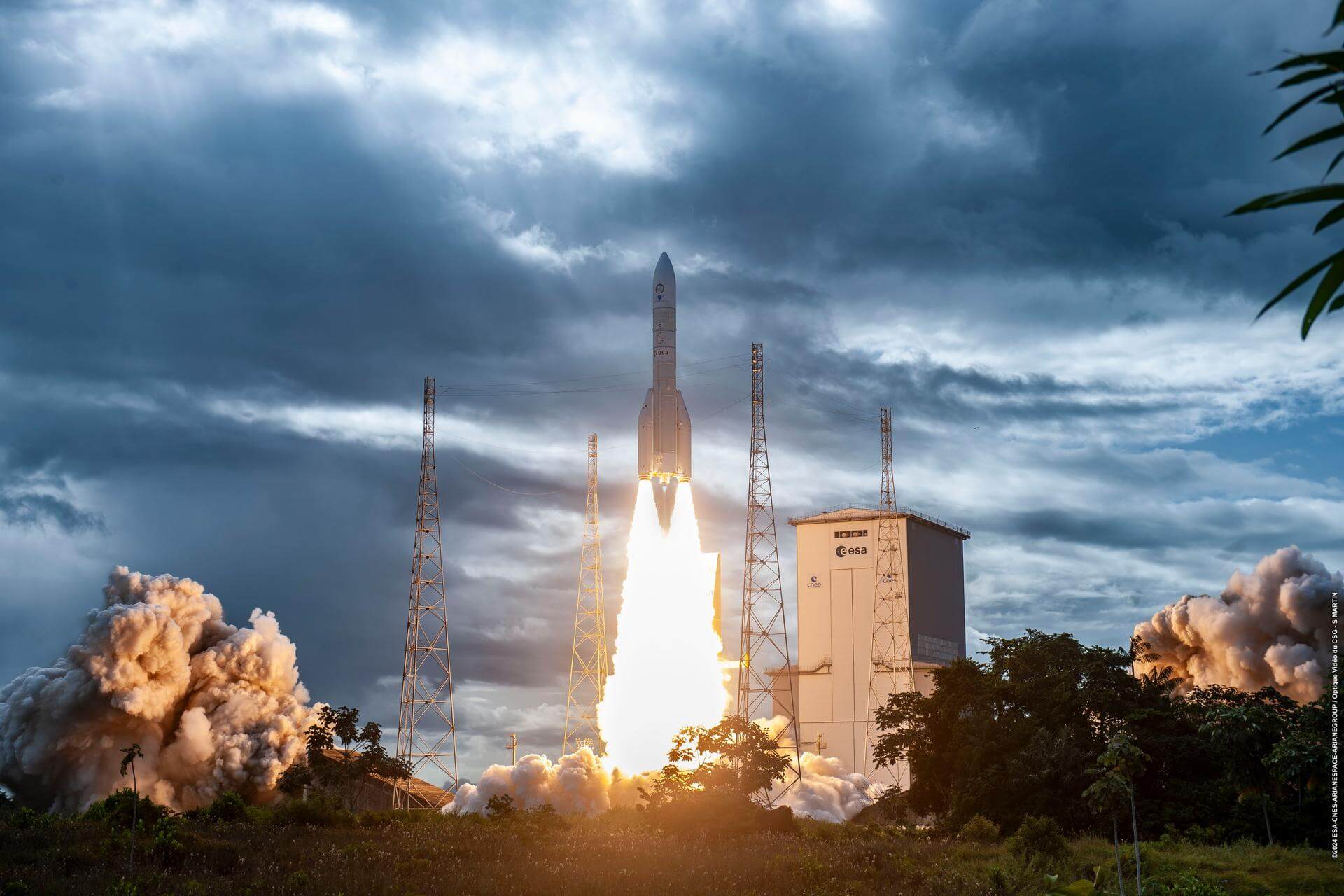
Ariane 62 | Metop-SG B1 launchImage: ESA/CNES/Arianespace/ArianeGroup/Optique vidéo du CSG–S. Martin
To Be Determined

Ariane 62 | Metop-SG B1

Rocket: Ariane 62
Provider: Arianespace
Launch site: Ariane Launch Area 4 · Guiana Space Centre, French Guiana
Second of EUMETSAT's second generation of Metop weather satellites.
Starship | Flight 15 launchImage: SpaceX
To Be Determined

Starship | Flight 15

Rocket: Starship V3
Provider: SpaceX
Launch site: Orbital Launch Pad 2 · SpaceX Starbase, TX, USA
15th test flight of the two-stage Starship launch vehicle and 4th flight of Starship V3.
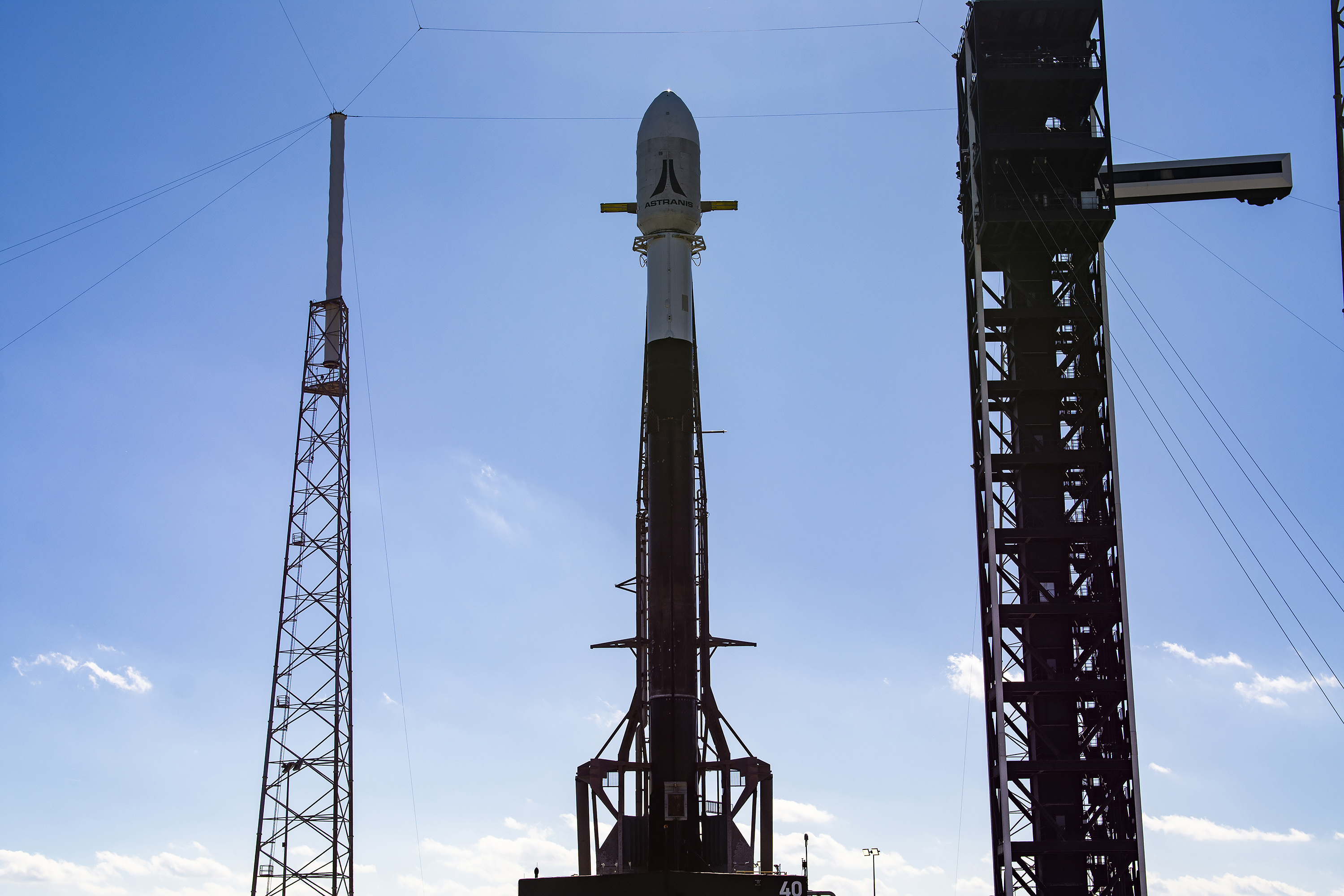
Falcon 9 Block 5 | 5x Astranis MicroGEO launchImage: SpaceX
To Be Determined

Falcon 9 Block 5 | 5x Astranis MicroGEO

Rocket: Falcon 9 Block 5
Provider: SpaceX
Launch site: Unknown Pad · Cape Canaveral SFS, FL, USA
Five Astranis MicroGEO communications satellite to be inserted in a custom geostationary orbit, from where they conduct on-orbit maneuvers to reach their individual slots. The 5 satellites include: * Apco 1 & Apco 2 (Mexico) * Thaicom-9 (Thailand) * 1x for Chunghwa Telecom (Taiwan) * 1x for MB Group (Oman)
Falcon 9 Block 5 | SDA Tranche 2 Transport Layer D launchImage: SpaceX
To Be Determined

Falcon 9 Block 5 | SDA Tranche 2 Transport Layer D

Rocket: Falcon 9 Block 5
Provider: SpaceX
Launch site: Unknown Pad · Cape Canaveral SFS, FL, USA
Classified mission launched by the Space Development Agency (SDA) for Tranche 2 Transport Layer.
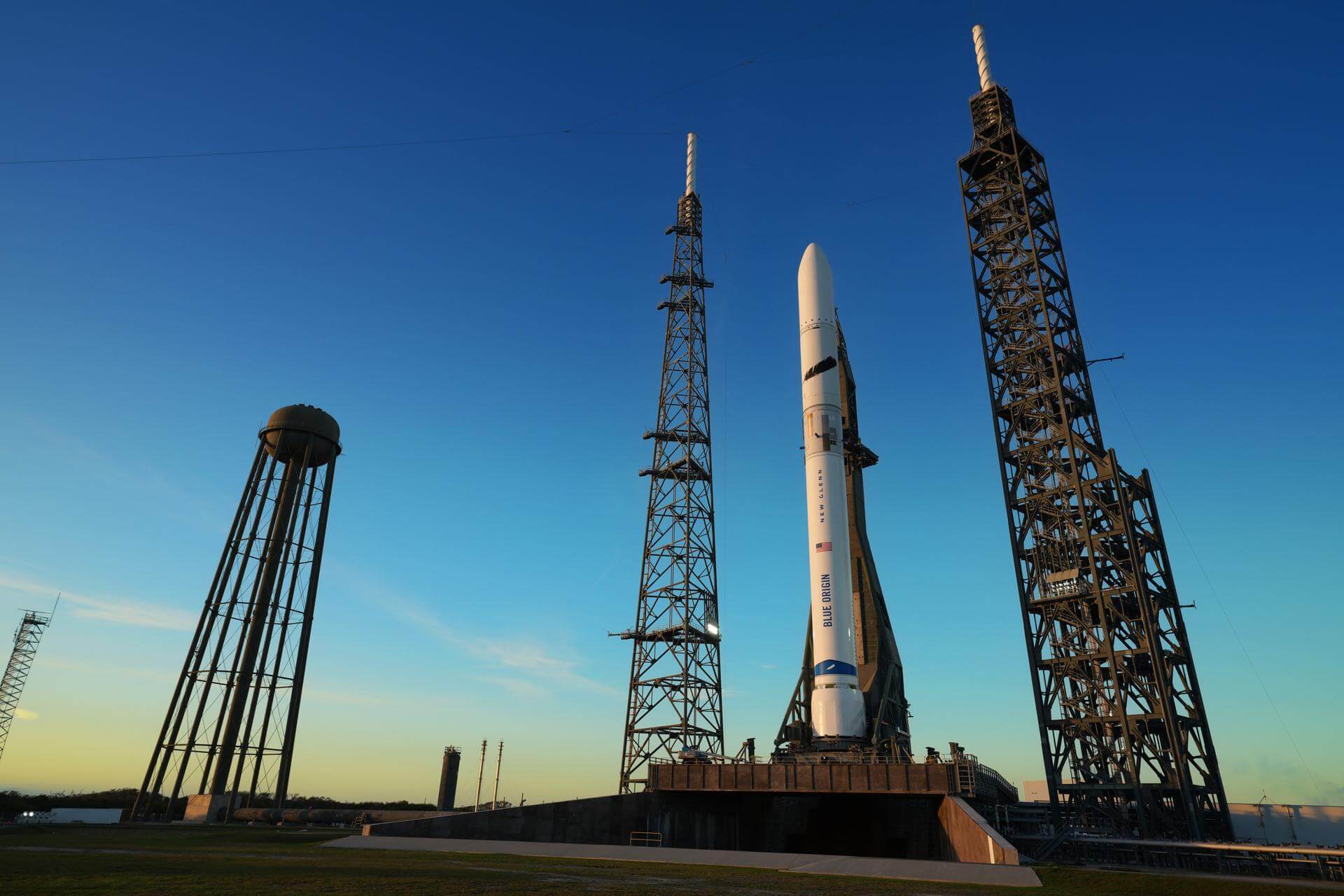
New Glenn | BlueBird Block 2 launchImage: Blue Origin
To Be Determined

New Glenn | BlueBird Block 2

Rocket: New Glenn
Provider: Blue Origin
Launch site: Launch Complex 36A · Cape Canaveral SFS, FL, USA
AST SpaceMobile’s Block 2 BlueBird satellites are designed to deliver up to 10 times the bandwidth capacity of the BlueBird Block 1 satellites, required to achieve 24/7 continuous cellular broadband service coverage in the United States, with beams designed to support a capacity of up to 40 MHz, enabling peak data transmission speeds up to 120 Mbps, supporting voice, full data and video applications. The Block 2 BlueBirds, featuring as large as 2400 square foot communications arrays, will be the largest satellites ever commercially deployed in Low Earth orbit once launched. This launch will feature 8 satellites.
Falcon 9 Block 5 | Globalstar 2-R Mission 2 (x 9) launchImage: SpaceX
To Be Determined

Falcon 9 Block 5 | Globalstar 2-R Mission 2 (x 9)

Rocket: Falcon 9 Block 5
Provider: SpaceX
Launch site: Space Launch Complex 40 · Cape Canaveral SFS, FL, USA
The Globalstar global mobile communications network offers global, digital real time voice, data and fax services via its Low Earth Orbit satellite constellation. The constellation operates in a 1410 km orbit inclined at 52 degrees. In early 2022, Globalstar contracted with MDA for the construction of 17 new 2nd generation refresh satellites to replenish the existing constellation. Rocket Lab is sub-contracted to build the satellites' buses and the launch dispensers.
Falcon 9 Block 5 | Rivada 12 launchImage: SpaceX
To Be Determined

Falcon 9 Block 5 | Rivada 12

Rocket: Falcon 9 Block 5
Provider: SpaceX
Launch site: Space Launch Complex 4E · Vandenberg SFB, CA, USA
24 satellites for Rivada's internet constellation.
No matching launch is currently listed for this local time window. Open the full launch schedule →

About Rocket Launches This Week

A rolling seven-day launch planner

This Week uses a rolling seven-day period beginning at the current time instead of a fixed Monday-to-Sunday calendar. That makes the tool useful no matter when you open it. A visitor checking on Saturday can still see launches through the following Friday rather than receiving a list that expires at the end of the weekend.

The filter is applied in the browser using the device clock and timezone. The underlying launch feed is global, so one mission can fall on different calendar dates for different viewers. The rolling window avoids most of that confusion by focusing on elapsed time rather than named weekdays.

How reliable is a seven-day launch forecast?

Seven days is close enough for many missions to have a meaningful target, but it is still long enough for schedules to change. Weather forecasts evolve, technical work can take longer than expected, payload processing can shift, and launch ranges sometimes need to resolve conflicts. Treat the page as a planning view and recheck it as the launch approaches.

A mission with only a broad placeholder date may also sit inside the seven-day window even though the exact T-0 is not final. Status and date precision help you judge how much confidence to place in the listed time.

Automatic refresh throughout the week

You do not need to remove launched events by hand. SpaceTracker.live refreshes its shared launch data every fifteen minutes when requested, drops windows that have passed, and adds newly scheduled missions from the upstream feed. Pages that remain open reload on the same interval. This means the seven-day list can shrink, grow or reorder as mission plans evolve.

The short cache is a compromise between freshness and responsible API use. It is frequent enough for schedule browsing while avoiding a remote request every time a visitor opens a card. If the upstream service is temporarily unavailable, the most recent valid cached copy remains available.

From weekly planning to live tracking

Once a launch is within hours, switch to Next Rocket Launch or the full schedule for the clearest countdown context. Programme-specific pages are useful when a busy week contains many launches but you only care about SpaceX, NASA, ISRO or Starship. Launch Sites helps if you are interested in which spaceports are active during the same period.

After liftoff, the correct tracking tool depends on the mission. Earth-orbiting payloads can move into the satellite tools after cataloguing, while lunar and interplanetary missions belong in Deep Space. The seven-day launch planner is therefore a bridge between long-range mission planning and the live tracking tools used after deployment.

How to compare several missions in the same week

When several missions fall inside the seven-day window, do not judge them only by the countdown. Look at the provider, rocket, launch site and status. A routine operational mission with a confirmed minute can be much more stable than a development flight with a placeholder day. The cards are designed to expose those differences quickly while the longer schedule page provides room for a wider manifest.

Weekly planning is also useful for spotting clusters of activity at a particular spaceport. A busy range may have multiple missions scheduled close together, and a delay to one campaign can sometimes influence ground operations for another. SpaceTracker.live does not predict those knock-on effects, but the Launch Sites page provides the geographic context needed to see where near-term activity is concentrated.

Data freshness and schedule transparency

The schedule-state notice helps distinguish a normal fresh response from a temporary stale fallback. If the upstream service is briefly unavailable, SpaceTracker.live can keep the last valid schedule rather than wiping the week clean. Once the next refresh succeeds, the cards return to the normal current state. This resilience is useful during busy launch periods, but visitors following a mission within minutes of T-0 should still use the launch provider’s official channel for final confirmation.

For satellite objects that have already reached orbit, use Recently Launched Satellites. For wider orbital tracking, open the Satellite Directory or the Deep Space section.

Frequently asked questions

What period does this week cover?

This page uses a rolling seven-day window beginning at your current local time.

Are all launch times exact?

No. Some missions have tentative or approximate times, and all launch schedules can change.

Where can I see launches beyond seven days?

Open the full Rocket Launch Schedule page for the broader upcoming feed.

Launch schedule and associated imagery: Launch Library 2, The Space Devs. SpaceTracker.live uses a shared server-side cache and retains image credits when provided by the source record.