About Starship Launches
Why Starship needs a dedicated launch page
Starship development flights can change on a different rhythm from mature operational launch programmes. Vehicle testing, ground-system readiness, regulatory approvals, range coordination and weather can all affect the target. A date that is useful for planning may still move substantially before liftoff. The dedicated Starship page makes that uncertainty easier to follow without mixing the event into a long list of unrelated launches.
The filter looks for Starship and Super Heavy references in the global upcoming launch feed. If no matching event is present, the page does not invent one. When an event appears or its target changes upstream, the normal fifteen-minute refresh cycle brings the update into SpaceTracker.live automatically.
Countdowns and launch-window changes
The large countdown now begins with a server-generated value rather than showing a temporary placeholder. JavaScript takes over once the page loads and updates the display every second. If the target is revised, the refreshed page receives the new timestamp. If the launch window passes, the mission is no longer kept indefinitely as the “next” event.
For development flights especially, reaching T-0 does not guarantee liftoff. A countdown can hold or stop. The page therefore changes to Launch window reached rather than claiming success. Official SpaceX coverage remains the place to confirm whether the vehicle actually launched.
Images and Boca Chica launch context
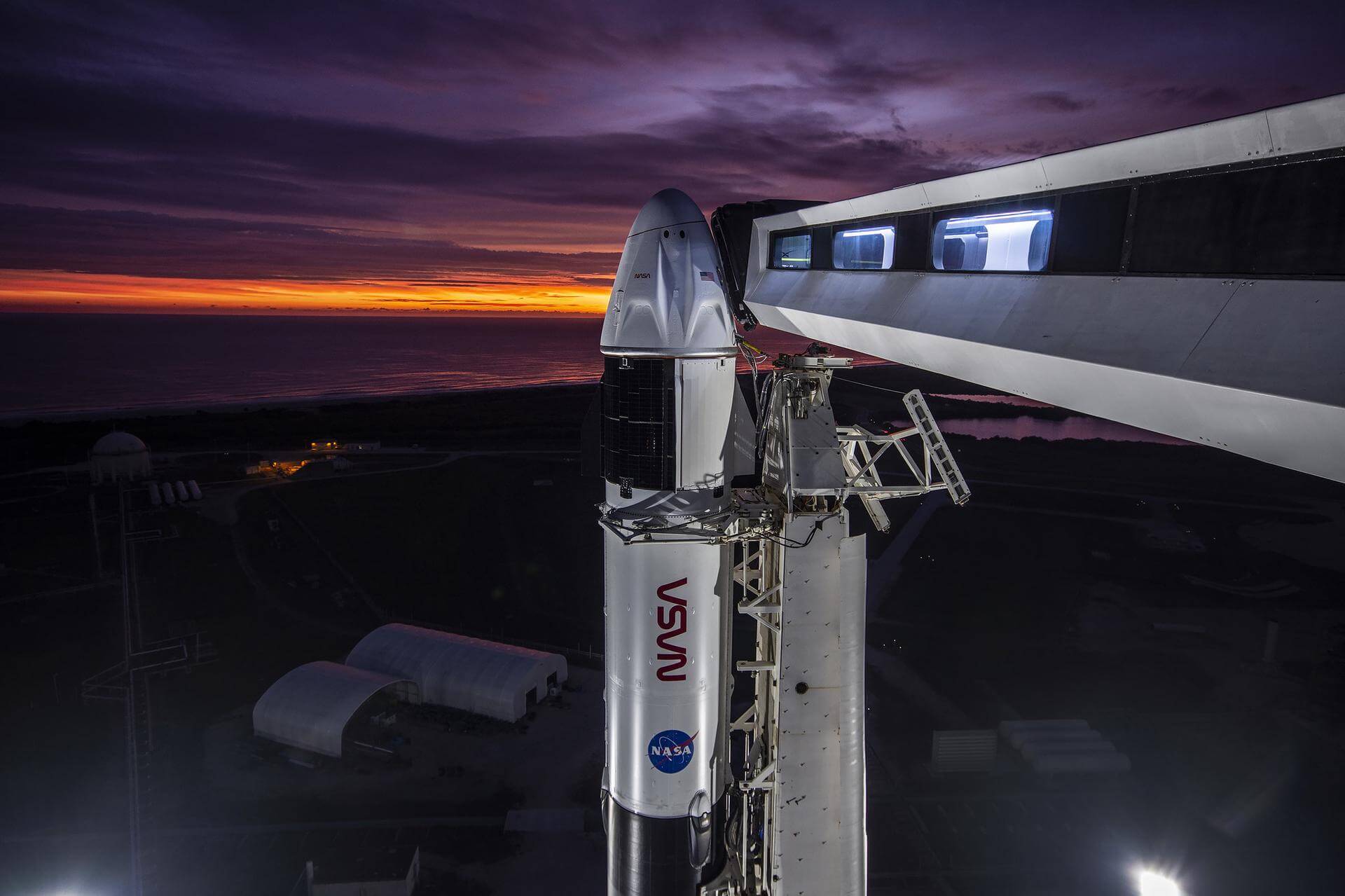
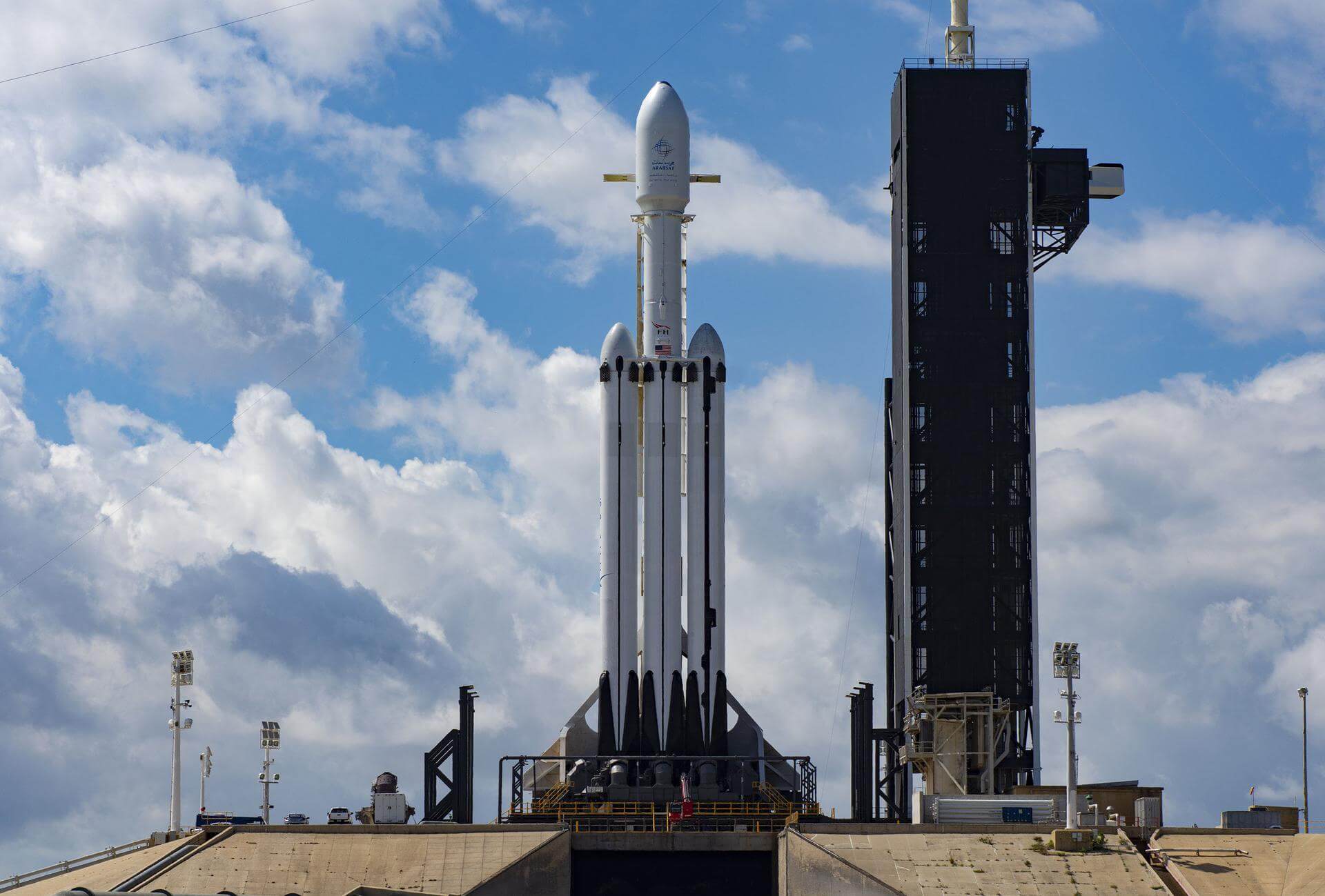
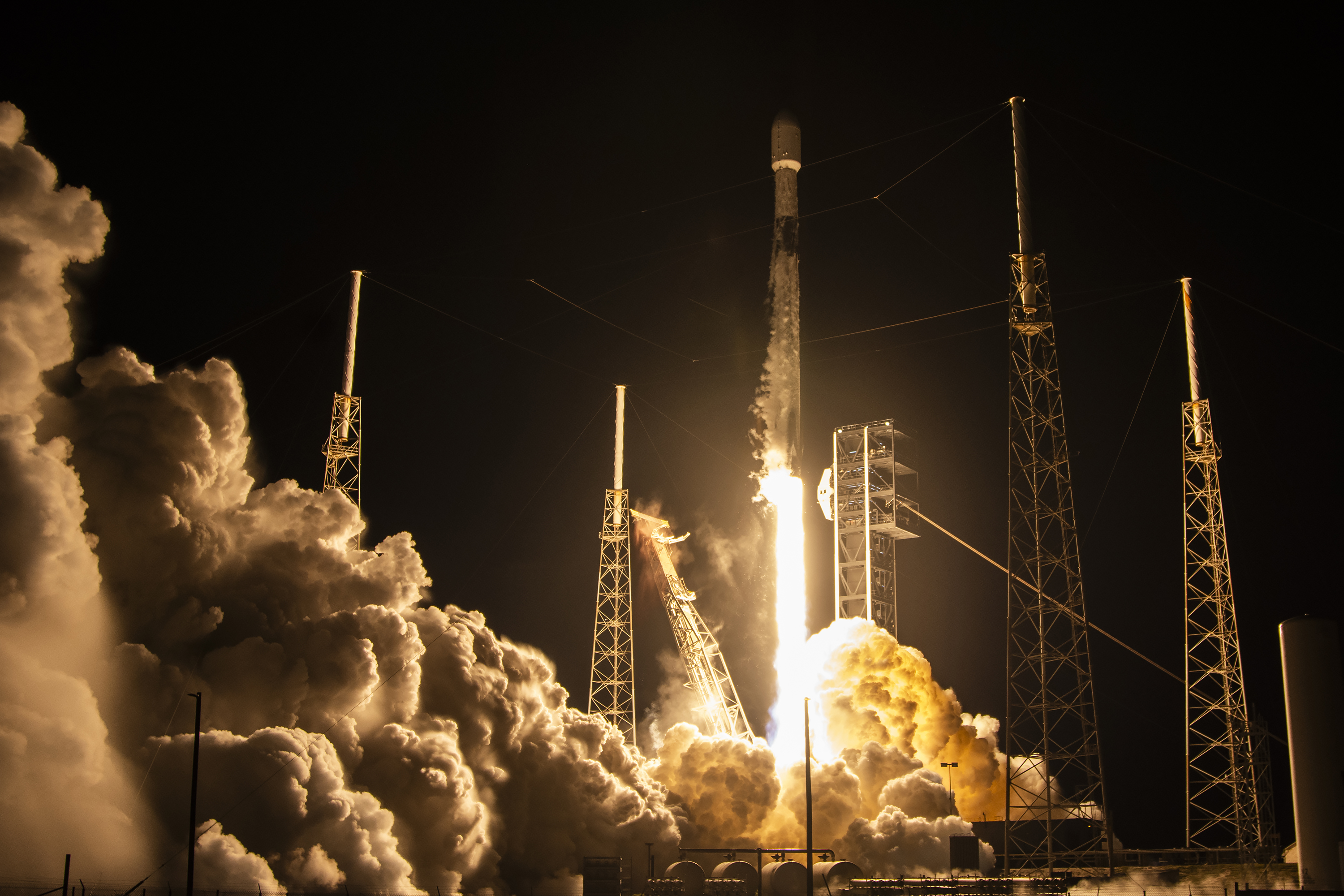
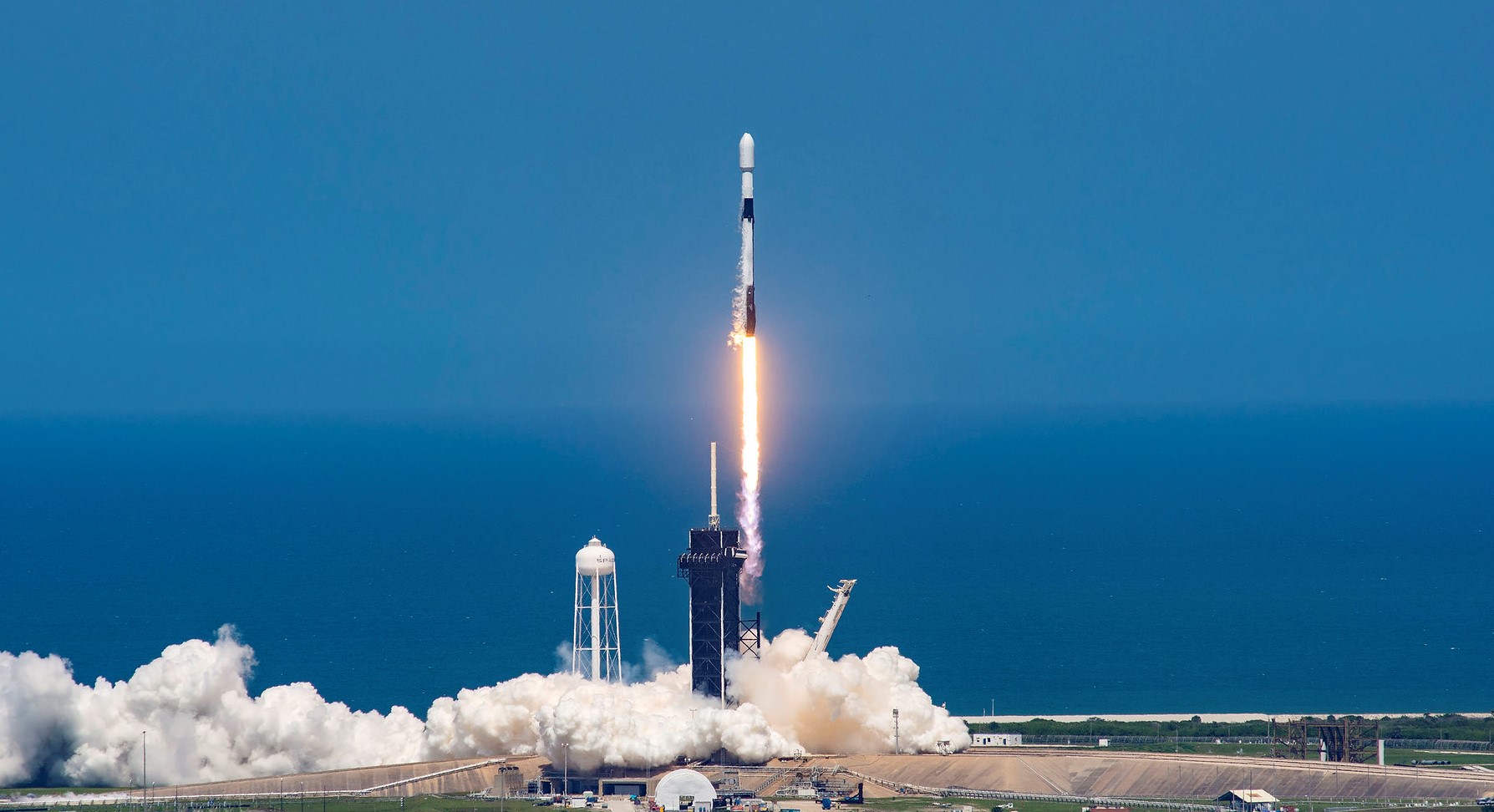
When the launch record provides a Starship image, it is shown directly on the card. Otherwise the page can fall back to imagery associated with the launch pad, launch location or provider. This keeps the page visually useful even when a newly created schedule record does not yet have its own dedicated photograph.
Launch-site details help distinguish Starship operations from Falcon launches, which use different pads and operational infrastructure. For all SpaceX missions together, including Falcon 9 and Falcon Heavy, the broader SpaceX Launches page is the better view.
Following Starship after liftoff
The launch schedule is only one part of a Starship flight. Test objectives, trajectory, re-entry and recovery attempts may be central to the mission even when there is no traditional payload deployment. SpaceTracker.live keeps this page focused on the launch event so it does not mix uncertain post-launch telemetry with schedule data.
For future operational missions that deploy spacecraft into orbit or beyond, the appropriate satellite or deep-space tools can take over once reliable public tracking data exists.
Why schedule certainty is especially important for development flights
Development programmes can publish target dates while testing and approvals are still evolving. A date can therefore be useful for situational awareness without being firm enough for irreversible travel plans. SpaceTracker.live keeps the status visible beside the countdown and automatically follows upstream changes, but it does not convert an aspirational target into a confirmed flight date.
As the campaign approaches liftoff, visitors should look for official notices, stream announcements and range information in addition to the schedule. The live page is most useful as a continuously updated index of the current target. It deliberately avoids predicting whether a test will receive approval or whether a vehicle will complete its planned flight objectives.
Data freshness and schedule transparency
Because Starship targets can change quickly, the page exposes the state of the shared schedule cache instead of hiding it. A fresh or refreshed label means the live data layer is current within the configured interval; a stale label means SpaceTracker.live is temporarily retaining the last valid response while the upstream service is unavailable. This prevents a short network problem from making the entire page appear to have no launches, while still signalling that visitors should check official coverage for the very latest campaign decision.
For satellite objects that have already reached orbit, use Recently Launched Satellites. For wider orbital tracking, open the Satellite Directory or the Deep Space section.
Frequently asked questions
How does this page identify Starship launches?
It filters upcoming launch records for Starship and Super Heavy references.
Are Starship target dates firm?
No. Development-flight targets can change as testing, licensing, weather and vehicle readiness evolve.
Where can I see other SpaceX launches?
Use the SpaceX Launches page for Falcon 9, Falcon Heavy, Starship and other SpaceX-associated missions in the feed.
Launch schedule and associated imagery: Launch Library 2, The Space Devs. SpaceTracker.live uses a shared server-side cache and retains image credits when provided by the source record.

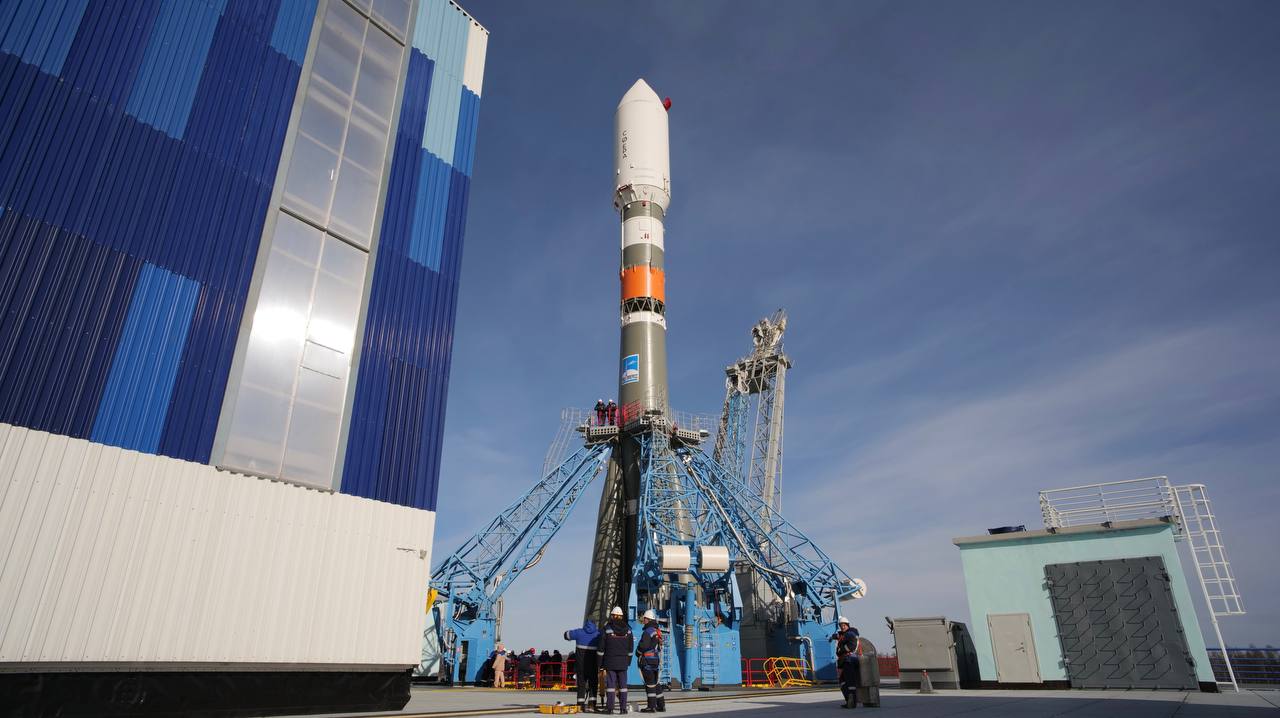
 Image: SpaceX