
Supernovae Tonight: turn a catalogue direction into an observing plan
Tonight is a local question. An object may be well placed from one hemisphere and impossible to see from another, while the same catalogue coordinates remain correct in both places. This tool combines the shared observer location, a chosen time and a verified object list to show where each direction falls in your sky. It does not measure clouds or determine a supernova's current brightness from an old report. Choose a target, inspect its discovery and latest-photometry fields, and use the symbol in Observer Sky View to relate it to nearby guide stars. When checking the underlying classification, return to the Supernovae directory rather than relying on the word tonight alone.
Set the location once, then check the time
Use the location control in the site header. The tool reads that shared choice and does not overwrite it. This matters when you compare a transient with Planets Visible Tonight or another sky page: both should describe the same observer. Now uses the current instant, while Tonight selects a convenient local evening time. The explicit date field uses UTC, which is different from the time displayed by a device in India or another time zone. Check the displayed timestamp before planning a trip. If a target looks unexpectedly low, a date or location mismatch is usually worth checking before assuming the catalogue direction is wrong. Browsing names and source reports still works when no location has been selected.
Interpret altitude before trying to identify a target
Altitude is the angle above the mathematical horizon. Near zero degrees, atmosphere and foreground obstructions can make observing especially difficult; a positive number alone is not a guarantee of access. Azimuth gives the compass bearing around the horizon, while the sky map places the target among guide stars. Move the map rather than trying to touch the icon repeatedly while dragging. The selected symbol is deliberately larger than the astronomical source so it remains usable on mobile screens. It is a locator, not an angular-size drawing. If the object is below the horizon, the map's bearing marker helps explain its direction but does not turn it into an observable target. Use constellation references to understand the surrounding region.
Darkness changes the quality of an opportunity
A faint supernova can have a favourable altitude during daylight and still be inaccessible to ordinary optical observing. The tool samples the next twelve hours and reports the highest sampled position above twenty degrees while the Sun is more than twelve degrees below the horizon. Those thresholds create a practical planning aid, not a universal observing rule. The sample spacing is ten minutes, so the reported time is an estimate rather than an exact transit calculation. Twilight, moonlight, transparency and light pollution all influence the usable result. Compare the session with Moon Phase Tonight and your local forecast. A well placed target can still be unsuitable on a hazy evening, particularly when the host galaxy adds background light.
Ask whether there is a recent magnitude
Read the latest reported magnitude field separately from the discovery magnitude. An unavailable value means the tool has no verified recent photometry to show, not that the object has vanished or reached zero brightness. A discovery report might be weeks or months old. Even a recent observation needs a filter and observing date before it can guide an exposure. The TNS data documentation explains how object reports and photometry are organized. This page preserves that distinction. If you need an actual detection tonight, consult the linked source record and choose an instrument suited to the reported signal. The sky-position calculation can remain useful when the current brightness is unknown, but it should not be presented as a visibility prediction.
Plan a star field rather than an isolated dot
Supernovae usually appear as unresolved points in ordinary amateur images. Identification depends on the field around them, the host galaxy and comparison material, not on the decorative symbol shown here. Begin with a wider chart, identify a few surrounding stars, and then confirm the catalogue coordinates against a suitable finder image. Never assume that the brightest point near a galaxy is the named transient. Astrometric alignment and a reference image are much stronger checks. The map's original guide-star background makes it easier to connect this target with your other SpaceTracker tools, but its scale is not a replacement for a calibrated telescope camera field. Retain north, east and image orientation information when you compare a processed photograph with the chart.
Choose exposure settings for a measurement
A useful image needs enough signal without saturating the source or the reference stars. Several shorter exposures can help reject occasional artefacts and reveal whether a faint point is repeatable. Keep the filter, exposure duration, observing time and processing steps with the observation. A signal detected in one frame and absent in neighbouring frames deserves further checking, especially near the sensor's defects or at the edge of a subtraction residual. Magnitude measurement requires comparison data and careful treatment of the host background. The catalogue's discovery value is not a calibration standard for your image. If your goal is a reliable record rather than a colourful picture, consistent processing and documented uncertainty matter more than increasing contrast until every point looks convincing.
Distinguish a historical remnant from a current transient
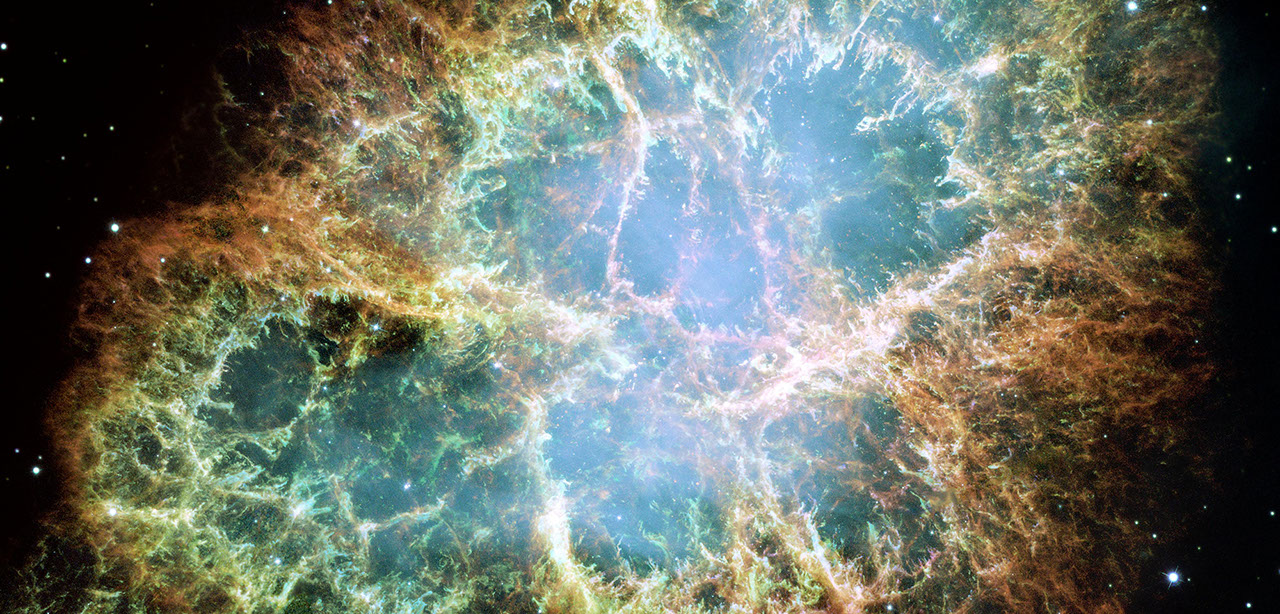
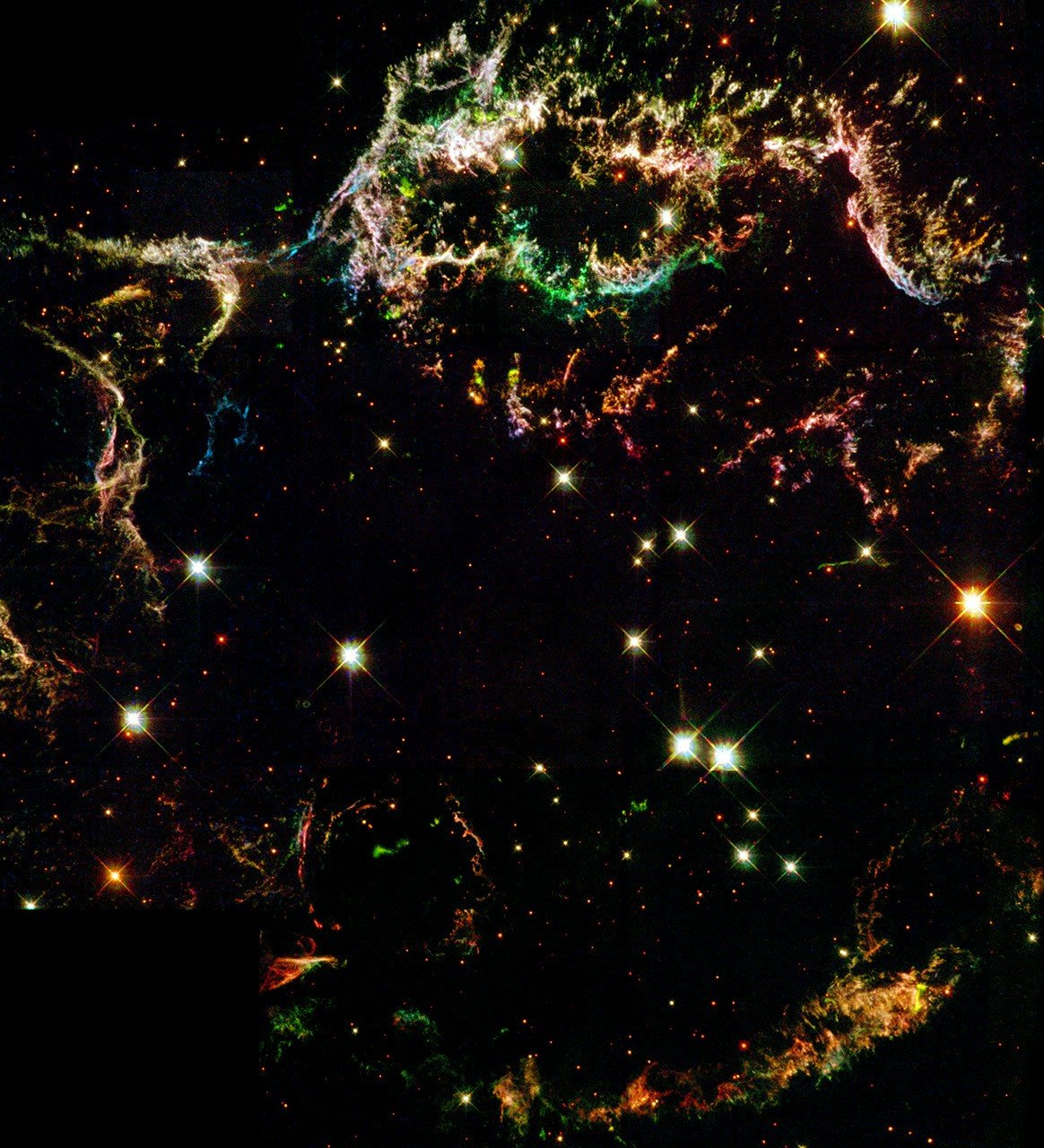
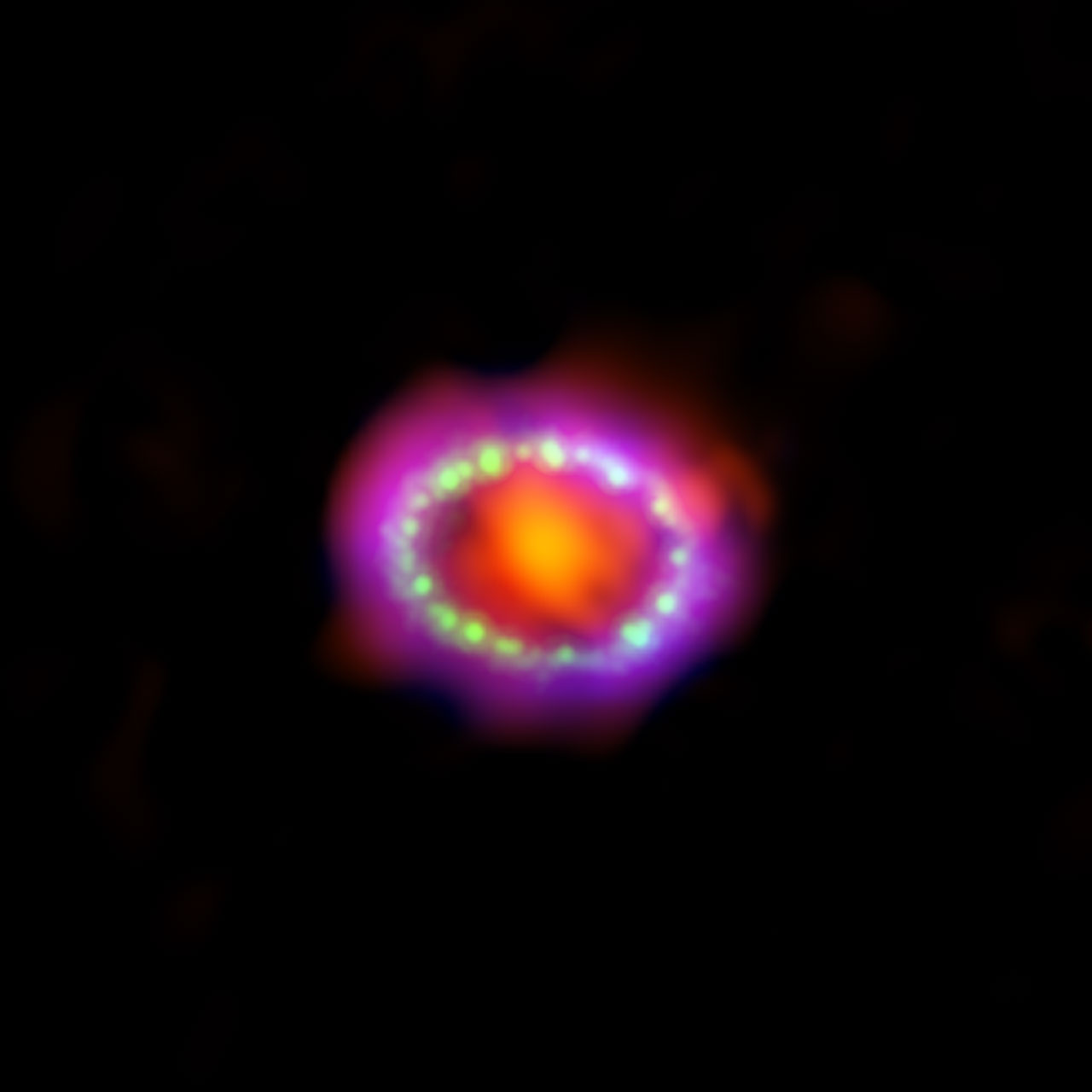
The remnant filter provides enduring targets such as the Crab Nebula, Cassiopeia A and SN 1987A. Their map positions are useful, but their photographs do not represent new explosions occurring tonight. Some are excellent scientific infrared, radio or X-ray targets while remaining extremely difficult visually. Read the individual guide before choosing your equipment. A remnant's integrated brightness and surface brightness also describe a different problem from measuring an unresolved supernova. Keeping these categories separate lets you learn from both without confusing an archival nebula image with the current appearance of a recently reported source in a distant galaxy.
Leave the page with a small, traceable plan
Select one or two targets, note their source timestamps, and decide whether the available photometry supports an attempt. Record the best sampled dark-sky time, but allow for setup, foreground obstructions and changing conditions. Revisit the source shortly before observing if the brightness information is old. If nothing suitable is available, the correct outcome is an honest empty shortlist; changing the location or treating discovery magnitudes as current values will not improve it. Explore the remnant directory or the wider deep-sky list instead. This tool works best as a bridge between verified catalogue data and your actual observing constraints, with every missing measurement kept visible rather than replaced by an invented number.