Starlink or Aircraft? How to Identify Moving Sky Lights
Saw a bright moving light or a line of lights tonight? Use motion, flashing behavior and pass predictions to tell Starlink from aircraft.
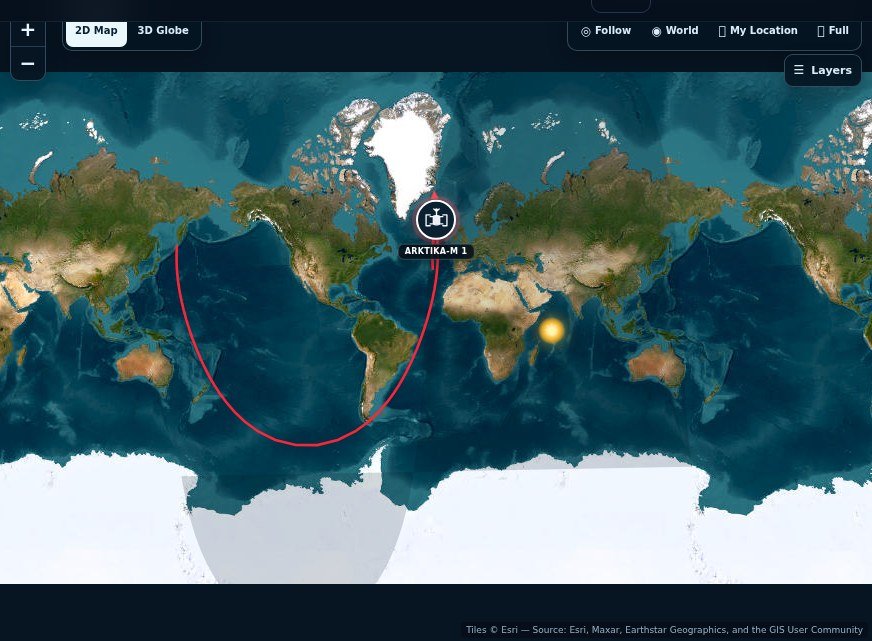
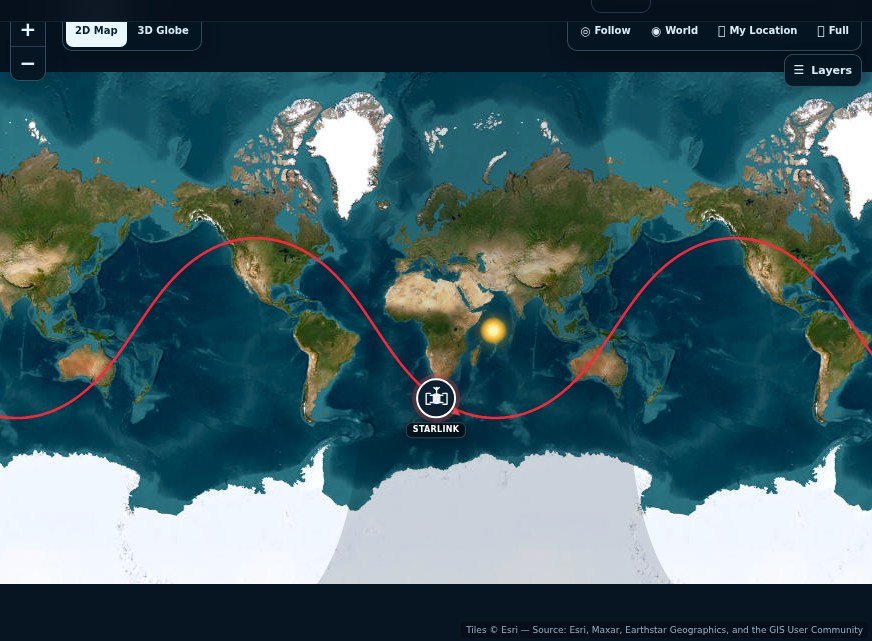
Wondering “is that Starlink in the sky?” after seeing a bright moving point—or a line of lights—crossing the sky tonight? Starlink is one possibility, but not every moving light is a satellite. The fastest way to narrow it down is to compare what you saw with the object’s motion, flashing behavior, number of lights and a location-specific pass prediction from the Starlink tracker.
Identification works best when you compare several clues at once. Check the predicted track and time, then compare what you see with the object’s motion, spacing and lighting behaviour. A satellite prediction can support the identification, but it should not be used as the only clue when aircraft are also present.
The quickest Starlink vs airplane test
What a Starlink satellite usually looks like
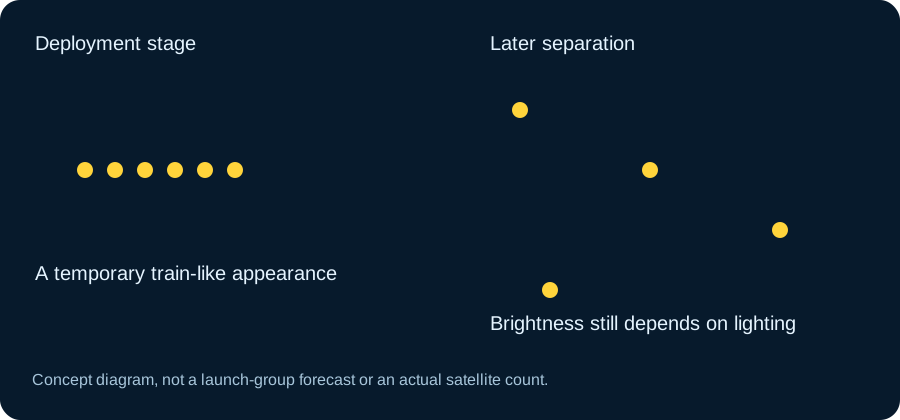
An individual Starlink satellite may look like a steady point of light moving across the stars. A recently deployed group can create the more famous train appearance, with multiple points following a similar path. Once the constellation satellites spread out, you are more likely to notice single moving points than a tightly packed chain.
Why airplanes are easy to confuse with satellites
At night, distance can make an aircraft look like a single white point. Look for periodic flashing, colored navigation lights, sound, an obvious heading change or a path that appears to slow as it approaches the horizon. None of those clues is perfect by itself, so use a tracker as a second check.
Could it be the ISS instead?
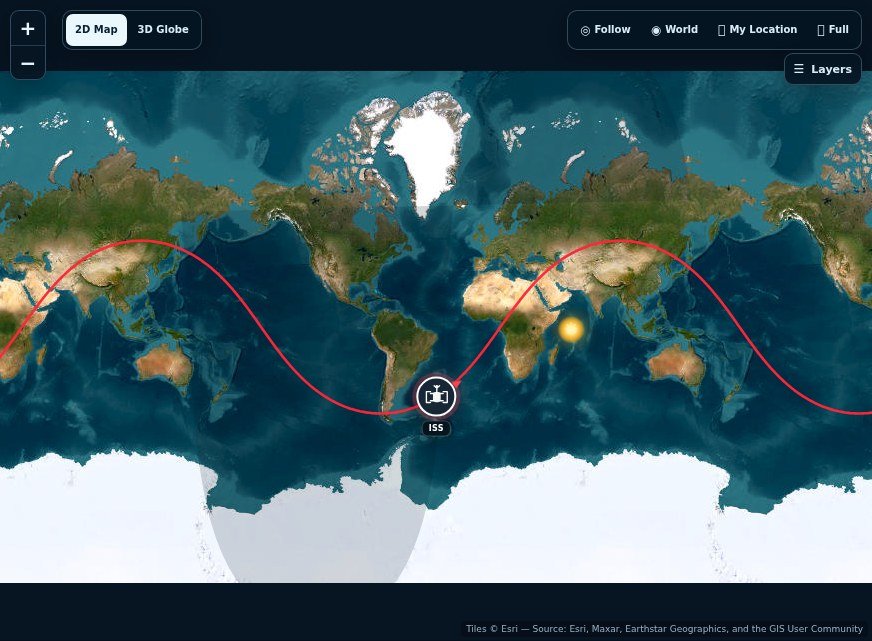
The ISS can be dramatically brighter than many satellites and moves smoothly without blinking. If you saw one very bright object rather than a chain, check the ISS tracker as well. Our naked-eye satellite guide compares the main objects people commonly try to spot.
Verify the sighting with time and location
Write down the exact local time, your city or coordinates, the direction the object appeared, where it moved, and roughly how high it was above the horizon. Then compare those details with the pass prediction. A match in both time and direction is much more useful than appearance alone.
Why a tracker can show a pass that you do not see
Trackers calculate orbital geometry. Visual detection also depends on illumination and atmospheric conditions. A satellite can pass over your horizon while remaining too faint, hidden by cloud, washed out by twilight or blocked by buildings.
Movement pattern is more useful than brightness alone
Aircraft can look almost stationary when they fly toward you, then suddenly appear to accelerate sideways as the viewing angle changes. Satellites usually cross the sky with smoother angular motion. Regular red, green or white navigation-light flashes strongly favor an aircraft explanation, while a steady point moving continuously across the stars is more consistent with a satellite.
Brightness by itself is weak evidence. Both aircraft and satellites can become very bright, and reflections can change suddenly. Use several clues together: motion, flashing pattern, direction, duration and whether the sighting matches a predicted orbital pass.
A Starlink train is a temporary deployment phase
The well-known line of many lights is most associated with satellites that were launched together and have not yet spread into their operational orbital configuration. Over time, separation and orbit-raising maneuvers increase the spacing, so mature Starlink spacecraft generally do not remain in one compact train.
For this reason, a single steady light can still be Starlink, and a long line of lights is not guaranteed to be Starlink. Check the Starlink tracker and compare your observation with the exact time and direction. The Starlink Train vs Operational Satellites guide explains the deployment transition in more detail.
Follow the motion against the background
Use a nearby bright star or a fixed part of the landscape to judge movement. A light can seem stationary when it is coming toward you, and a hand-held camera can make a steady object appear to wander. Watching with your eyes for a little longer often gives a better sense of the route than immediately zooming a phone video.
A satellite normally follows a smooth apparent path across the sky during a pass, but that alone does not prove Starlink. Many spacecraft produce moving points of reflected sunlight. The important next step is to match the local time and direction with a particular prediction. A plausible catalog match is stronger evidence than the general impression that the light was bright, silent or moving unusually fast.
Flashing is a clue, not a complete verdict
Regular coloured navigation lights are a useful aircraft clue. Their visibility depends on the viewing angle and distance, however, and a distant aircraft does not always show every light clearly. Satellites can also vary in brightness as their orientation and reflection geometry change. A brief brightening therefore should not be used as the only identifier.
Describe exactly what you saw. Was there a repeated regular pattern, or one smooth fade? Did the path continue steadily after the brightness changed? Were several objects following similar routes? These observations are more useful than a broad label such as 'it flashed'. If your evidence is incomplete, keep the identification tentative and compare with both a satellite forecast and any relevant aircraft information available for the same time.
A row of lights still needs a time and place
A recently deployed group can be conspicuous, but social-media clips are often detached from their original date and location. A line of lights recorded elsewhere may not match your sky at all. The satellites' spacing and illumination evolve, and different observers see different projections of the same group. Avoid using a popular clip as tonight's forecast.
For your own record, include the observing location, local time zone, starting direction and approximate ending direction. If possible, note a familiar star crossed by the path. That gives a later comparison more substance than the count of lights alone. It also helps distinguish a real sequence of objects from reflections, duplicated camera images or an unrelated line of aircraft viewed through a narrow part of the sky.
Keep uncertainty useful
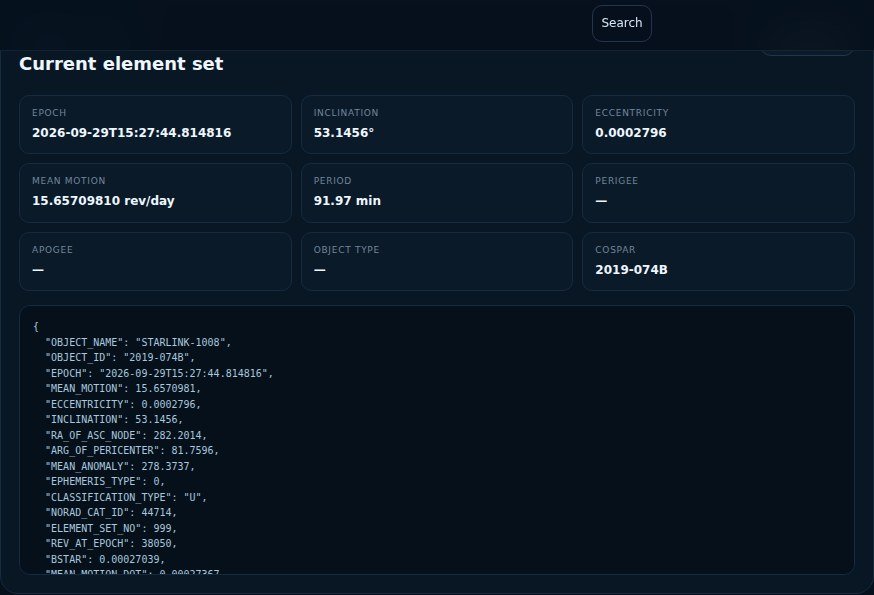
If a candidate matches the pass time but not the direction, investigate before calling it confirmed. Check whether you selected the correct Starlink catalog entry and observer location. Constellations contain many similarly named objects, so a nearby listing can be easy to choose by mistake. A correct match should explain the observed path as well as the clock time.
Sometimes there is not enough information to identify a sighting reliably. Keep the original description and video rather than rewriting the record around a guess. On the next attempt, prepare a prediction beforehand and watch its expected route. This shifts the task from explaining an ambiguous surprise to testing a specific forecast. The result is a more confident identification and a better understanding of how reflected sunlight makes satellites appear in the evening or morning sky.
Frequently asked questions
Does Starlink blink like an airplane?
Normally, satellite light is reflected sunlight rather than aircraft navigation lighting, so regular red/green blinking is a strong clue that you are looking at an aircraft.
Can Starlink look like a UFO?
Unfamiliar satellite trains can look unusual, especially to first-time observers. A pass prediction is the best way to test a satellite explanation.
Can I identify Starlink from a photo?
A single still photo often lacks enough timing and motion information. A short video plus the exact location and time is more useful.
What should I do if several lights move in a straight line?
Check for a recent satellite deployment and compare the path with a Starlink tracker. A coordinated line of steady lights is consistent with a satellite train.